

















While summertime can bring an explosion of growth to your garden it can also become a challenging time to keep certain crops alive. It is handy to learn a few tricks of the trade to ensure you have success during heatwaves, particularly as climate fluctuations are becoming more common. Explore our expert tips below.
Heat Proof Your Garden
You can use some clever planning and materials to protect your tender crops during the heat, particularly those leafy herbs and greens. Try out a couple of these options:
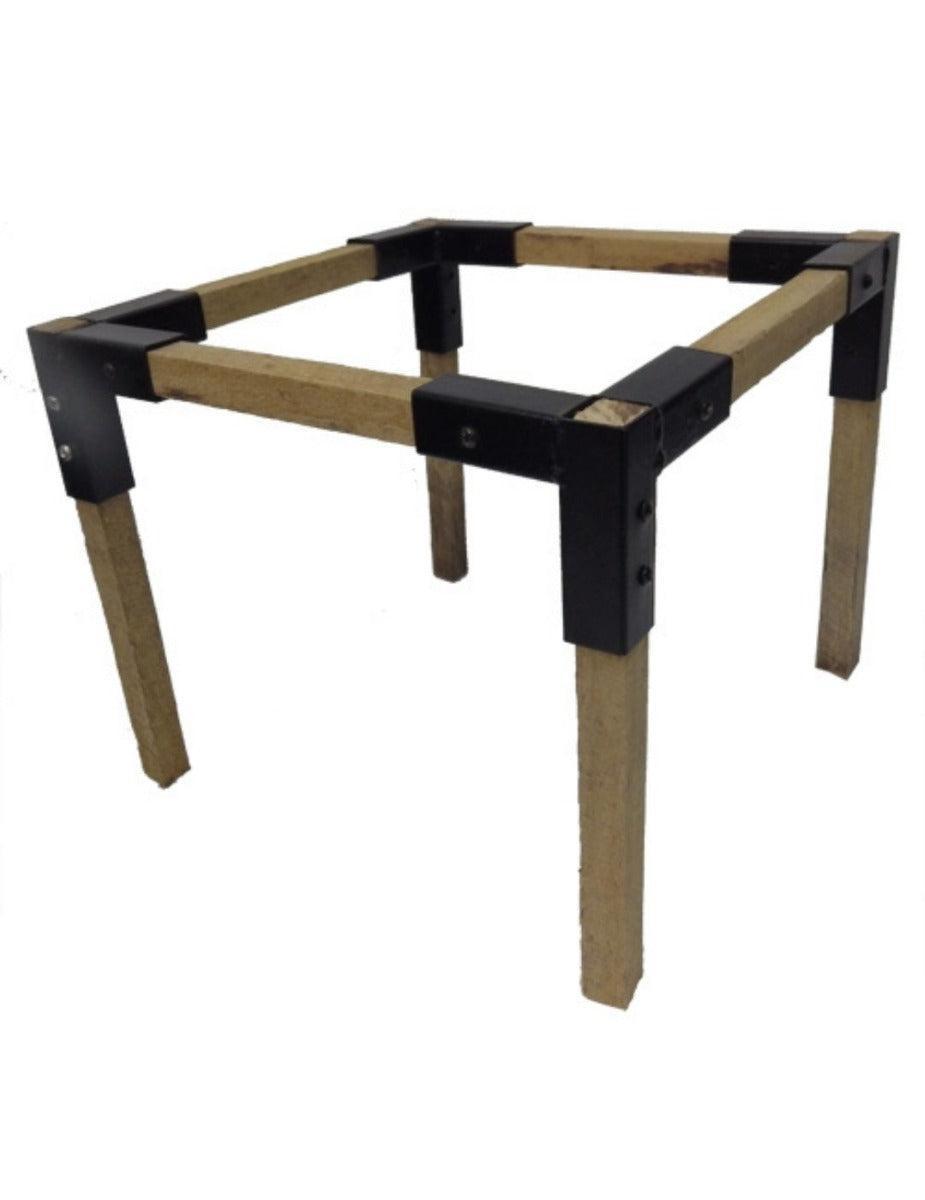
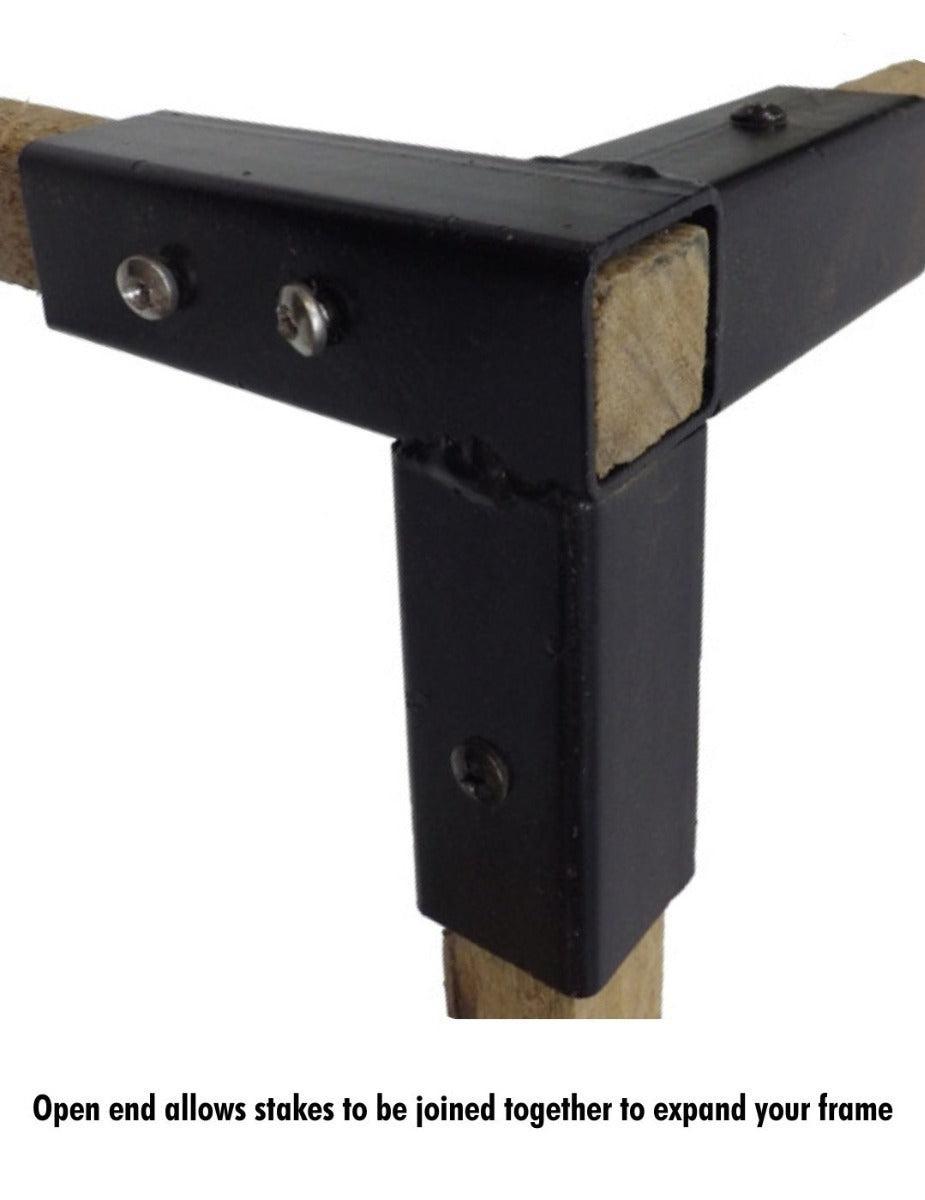
- Build a protective cover over your garden beds. You can construct a simple shade structure over your garden, try using something like Fothergill's Build-a-Frame Brackets. Simply cover your structure with some shade cloth. You can customise the level of protection with different levels of shade cloth, start out with a 30% shade cloth to protect from the harsh summer sun. If you are protecting sensitive species such as ferns and orchids you may need to opt for as high as 50-70% shade cloth.
- Utilise your gardens microclimates. During winter and summer you may find different areas of the garden are better for different crops. Winter crops will appreciate as much sunlight as they can get so are better kept away from tall shrubs and walls. In Summertime make use of those shadier spots in the garden, next to climbing plants and shrubs and interplant with some of your more delicate leafy crops.

Be Smart with Watering
This is easier said than done, but your garden will not thrive in the heat without access to water. Be sure to use plenty of organic mulch such as woodchip, sugarcane, straw or anything else you can get your hands on to reduce soil evaporation. Drench your soil with water well before layering on the mulch to a depth of about 10cm. Be sure to not put mulch directly against the stems of your plants to avoid collar rot.
Drip lines and automatic watering systems are a life saver during the warmer months too. Dusk or dawn are good times to water the garden when the bright sun is away, reducing the speed of evaporation. Drip lines are particularly handy as this directs water to the soil, keeping foliage dry which is important for disease control during those hot and humid months.

Hold the Fertiliser
During heatwaves limit your use of high nutrient fertilisers, particularly those very high in nitrogen. Rich fertilisers while excellent at causing an explosion of growth will also mean that your plants are quickly producing lots of tender foliage that is susceptible to water loss and damage from the heat. Instead, focus on improving overall soil health by incorporating plenty of compost and applying smaller more frequent amounts of balanced liquid feed. Bonus points if you apply liquid seaweed solution to your plants fortnightly, this will help your crops cope with heat stress and transplant shock.
Postpone Transplanting
Any big garden renovation jobs are best left to autumn or early spring when conditions are milder. This generally includes lifting and moving shrubs, planting trees and dividing plants. You can of course leave some jobs for wintertime too, as this is a good time to plant out lots of bare root trees and deciduous shrubs.

Monitor Your Plants
Lastly, check your garden often during heatwaves as a plant that is happy one day can quickly turn the other direction if it is lacking water or shade. Don’t panic and remove things right away if you see wilted leaves though, you would be surprised what can pop back up with a good drink and some liquid seaweed.
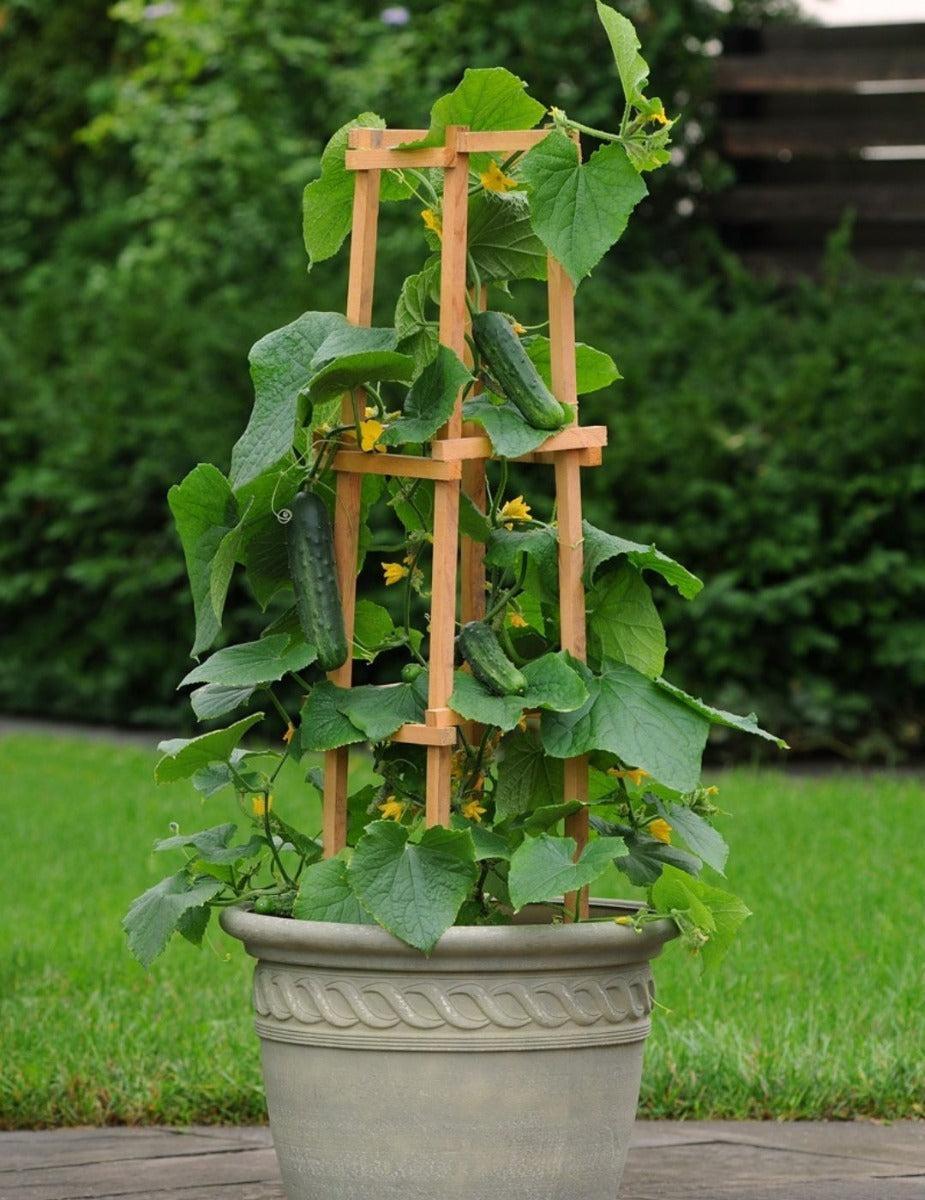
Transpiration (aka a plants version of sweating) during the day can cause the leaves to look droopy, particularly those heat loving crops like cucumber and pumpkin but these leaves will usually pop back up when the sun goes down. Just be sure to keep the water up to them.

Happy Gardening!