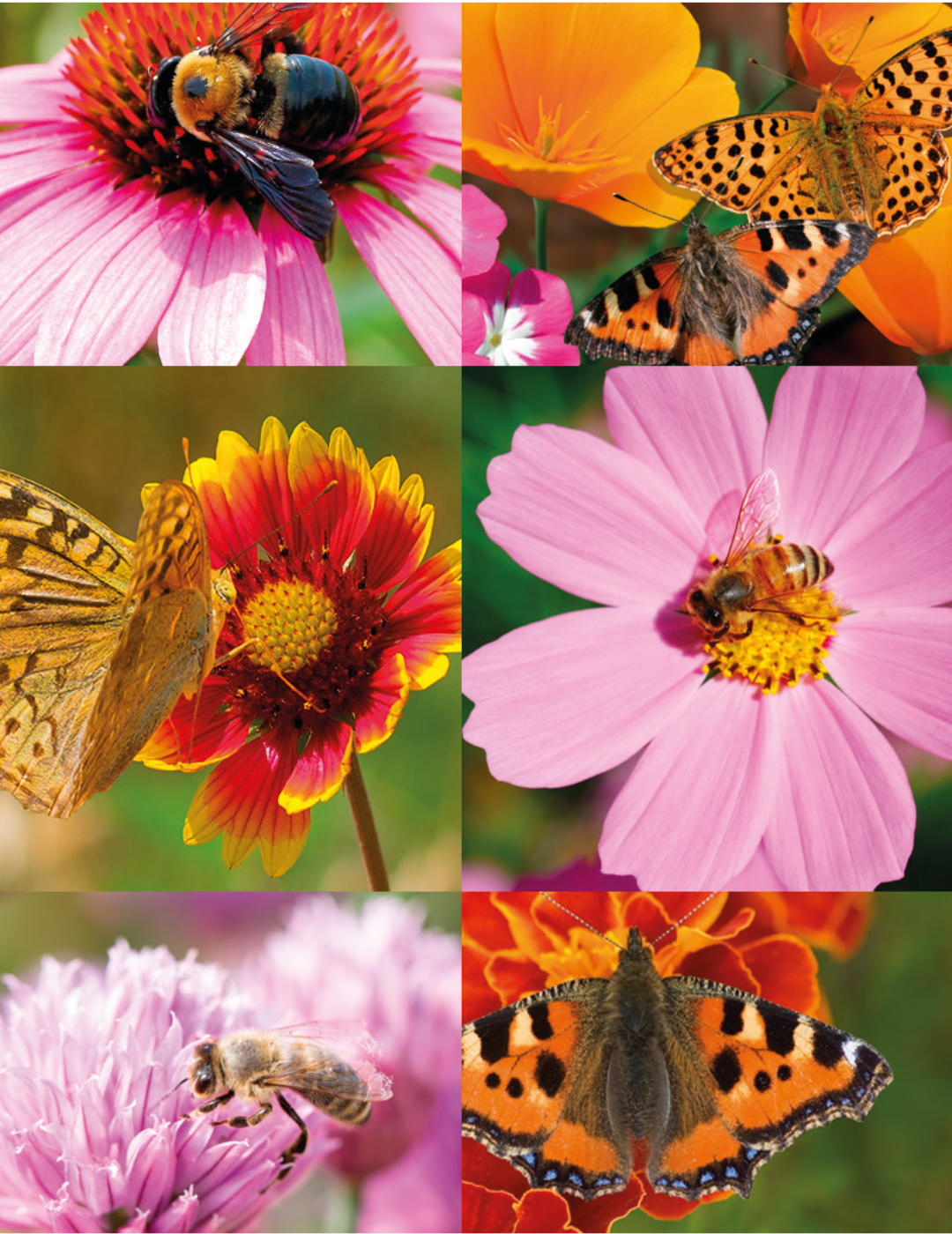











Pollination is a hot topic currently, especially with the environmental pressures that our local pollinators face from urbanisation and unsustainable gardening practices. But what exactly does this mean for the average gardener?
Understanding when pollination is required and when it is best left alone can lead to healthier plants, bigger yields and less effort in the garden. First things first, lets tackle the basics.
What is Pollination?
Pollination is part of a plants natural reproductive cycle and leads to the formation of fruits and seeds. Flowers have both female (stigma) and male (anther) parts and the pollen produced by the male anthers needs to meet the female stigma to trigger the fruiting process. Pollen is distributed through the flowers in a few different methods including wind, insects and self-pollination.
When Pollination Takes Care of Itself
Many vegetables are naturally efficient at pollinating without any intervention. These plants either self-pollinate or rely on wind rather than insects.
Common self-pollinating vegetables include:
- Tomatoes
- Beans
- Peas
- Sweetcorn
- Capsicum and chilli
If these plants are flowering and setting fruit normally, there is no need to step in. If you do notice poor pollination, look at the environmental factors, for example sweetcorn should be planted in blocks rather than single rows and outdoors (not undercover or in a polytunnel) as wind is required to move the pollen down onto the silks to trigger the formation of the kernels.

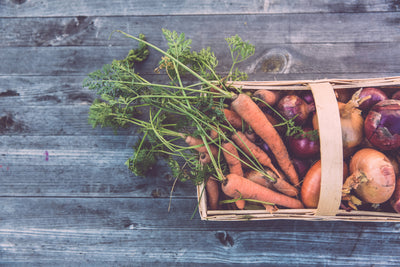
PS. You don’t need to worry about pollination when it comes to growing any of your leafy vegetables including lettuce, spinach, silverbeet and rocket as these are grown for their leaves only and are harvested before they flower for the best flavour. The same goes for root crops including carrots, radish, turnips and swedes.
When Pollination Needs a Hand
Some vegetables depend heavily on insect activity to move pollen between flowers. If pollinators are scarce or weather conditions are poor, pollination may be incomplete.
You may need to assist if you notice:
- Flowers forming but no fruit developing
- Young fruit swelling slightly, then turning yellow or dropping
- Misshapen or undersized vegetables
- Lots of male flowers but very few female flowers being pollinated
- Environmental conditions are not ideal, eg during extreme heat, heavy rains or strong winds which can disrupt pollen distribution and natural pollinators.
This is most common with:
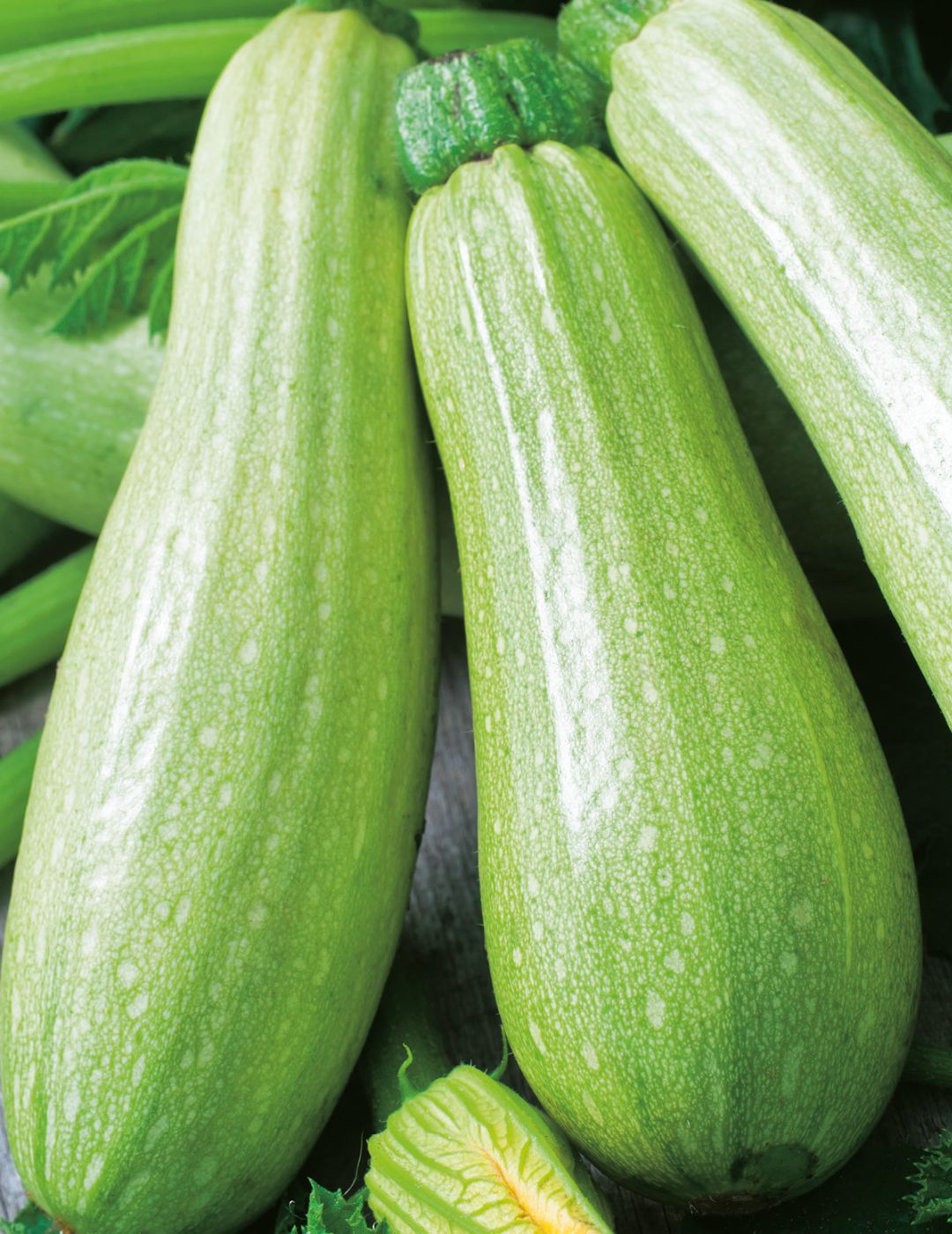
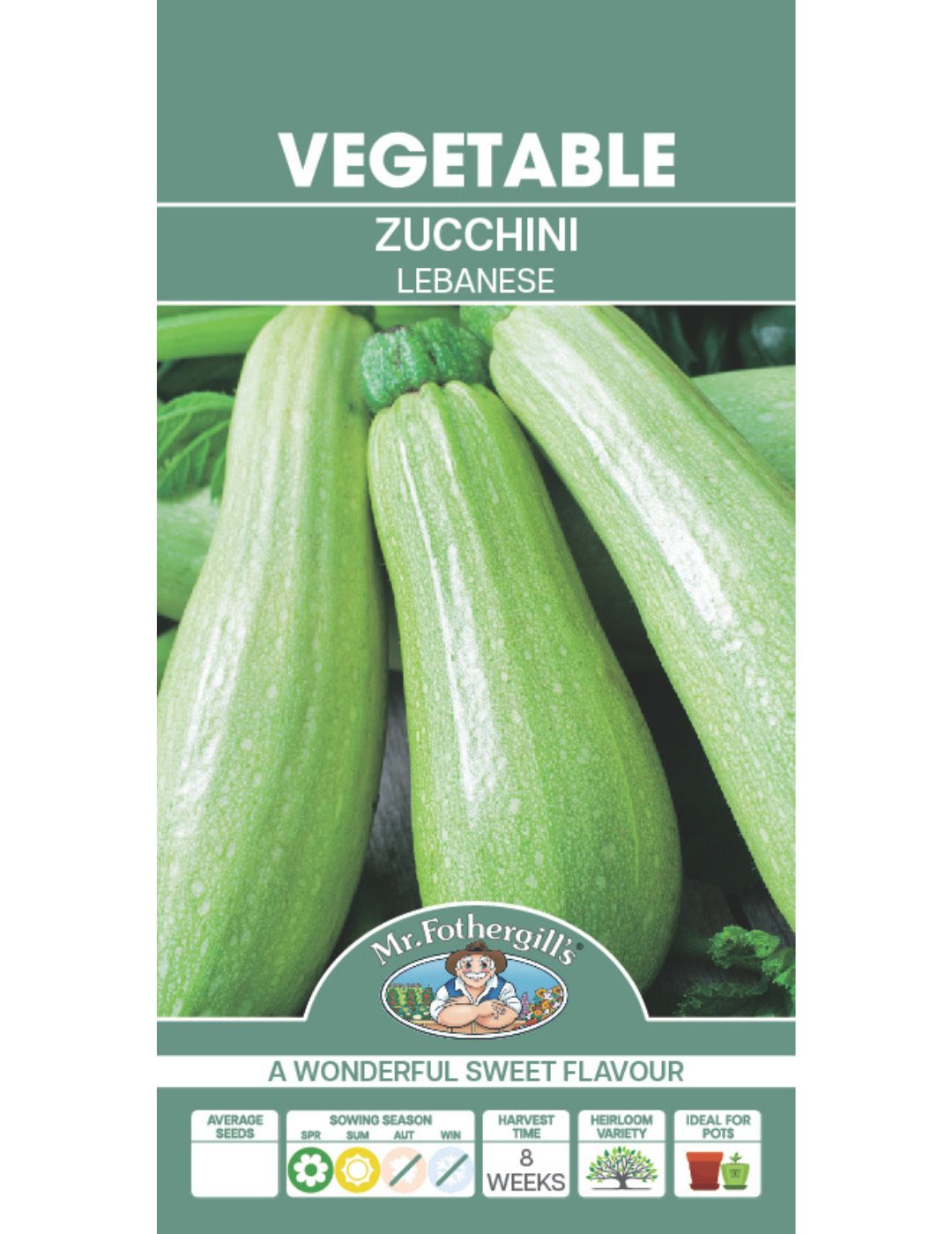
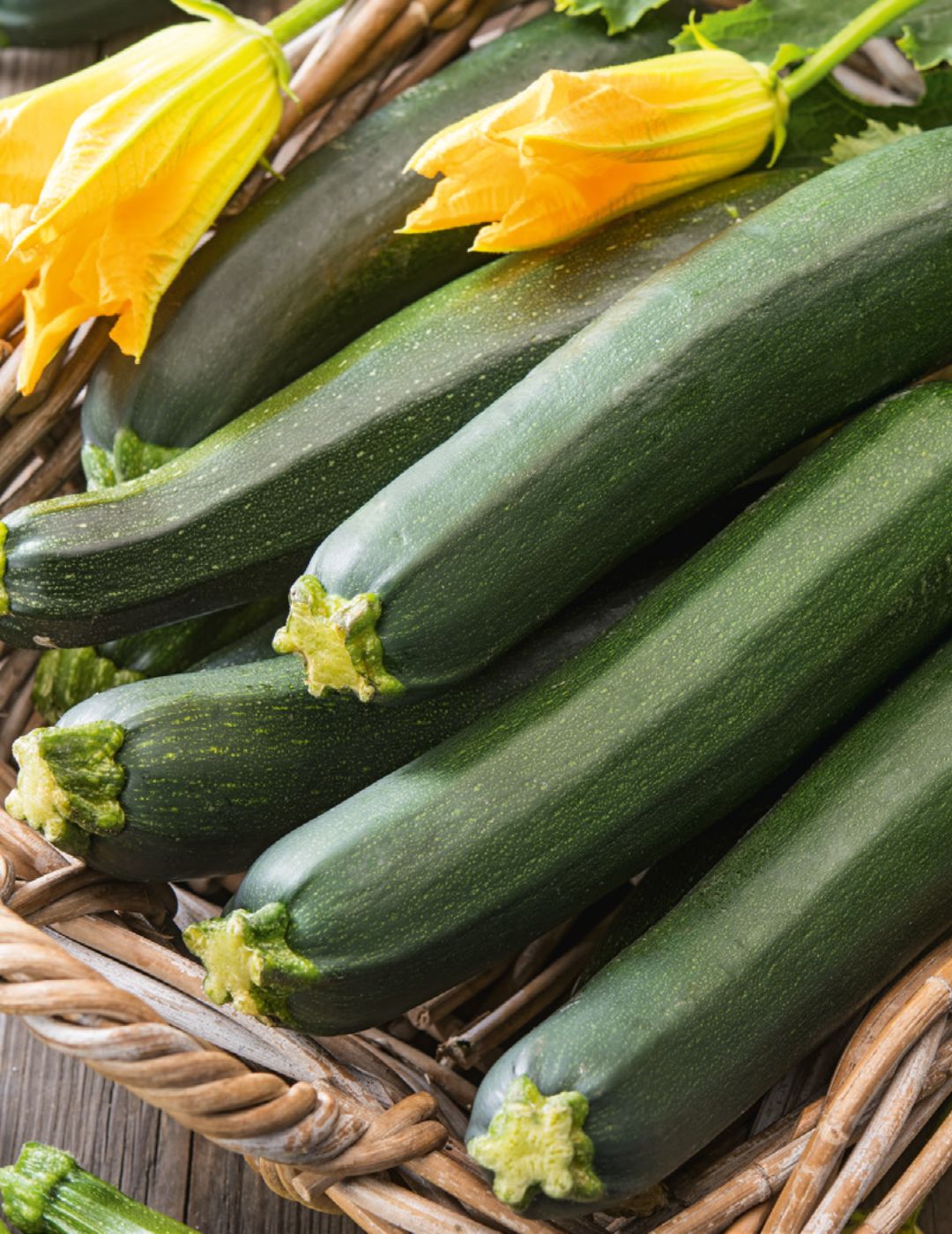
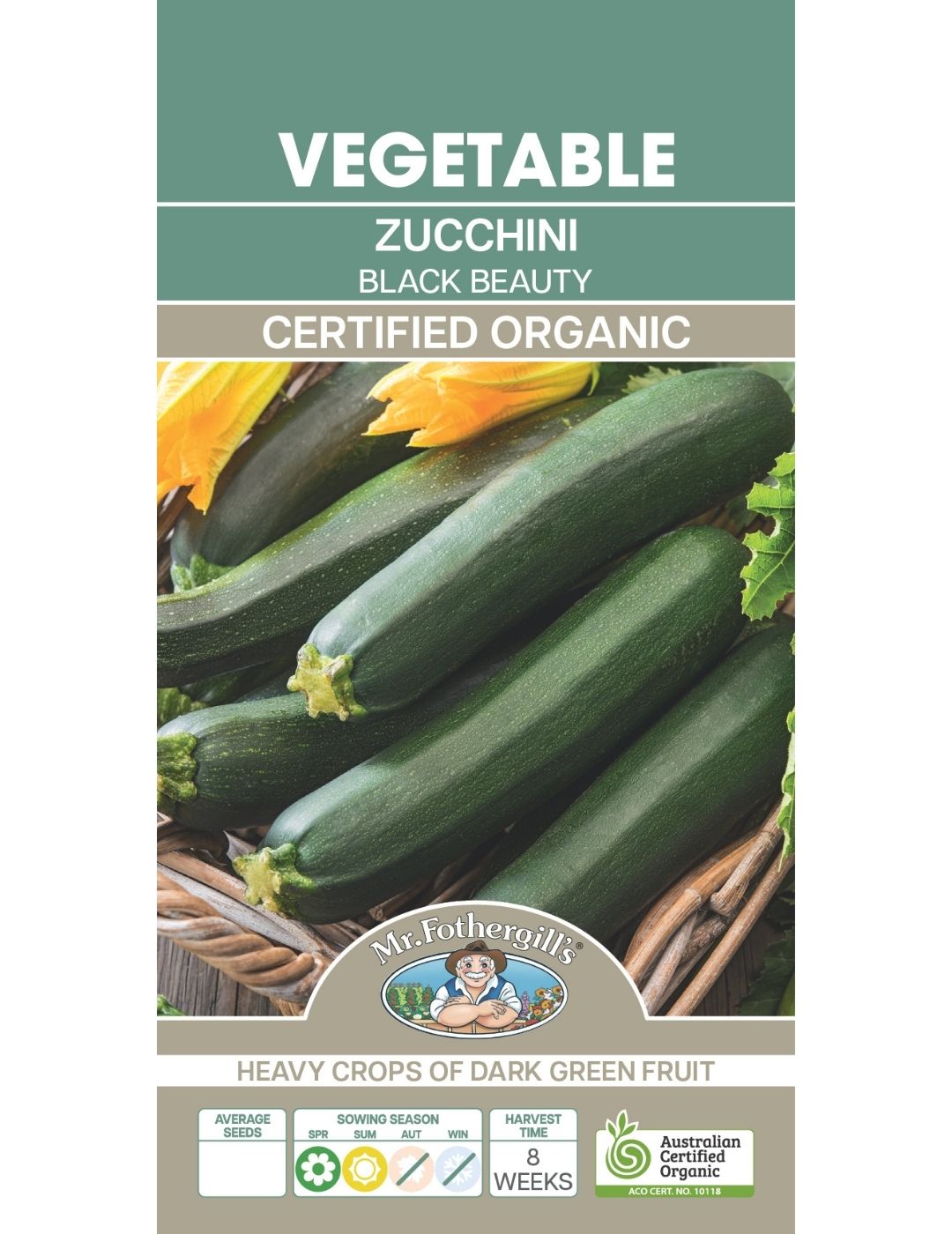
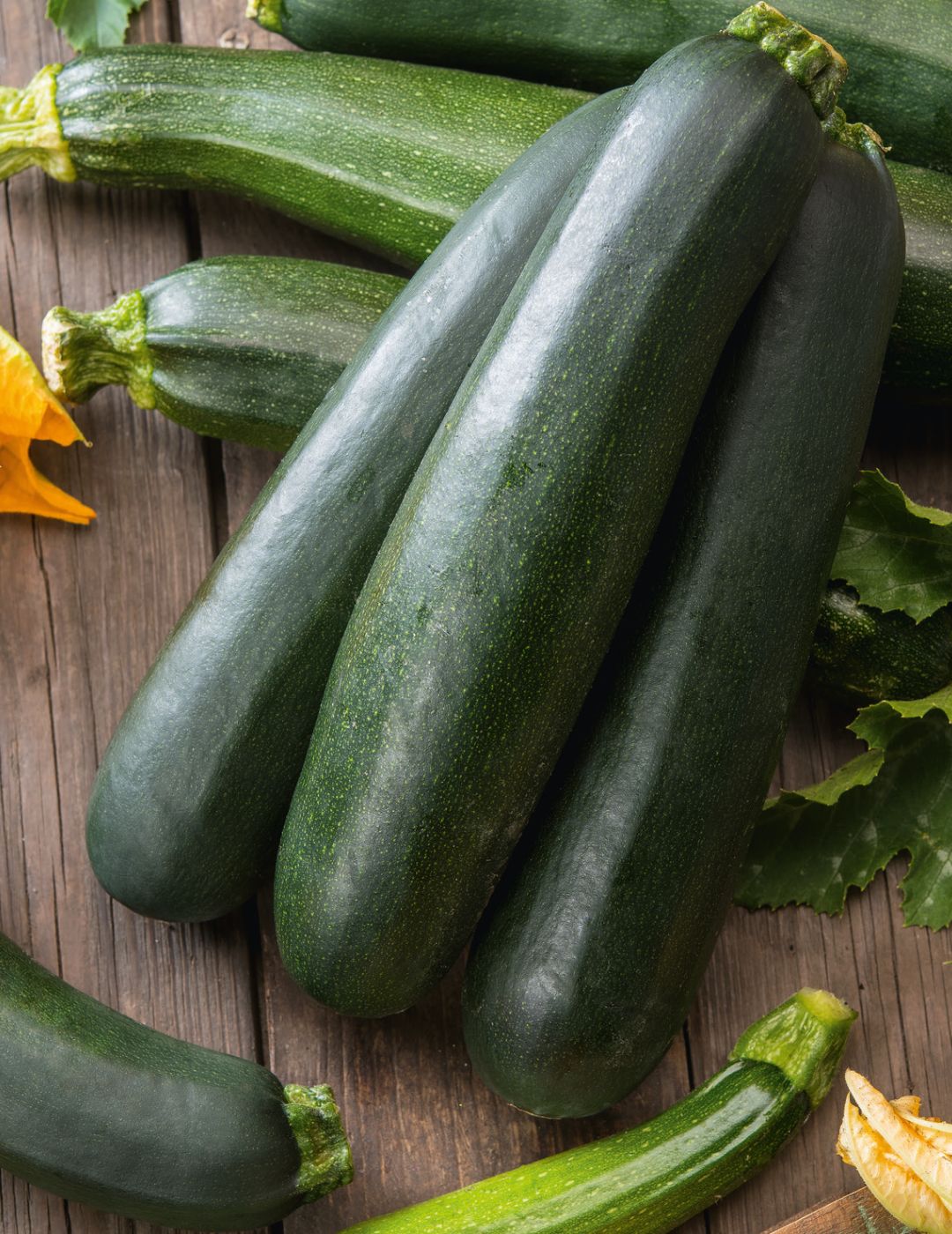
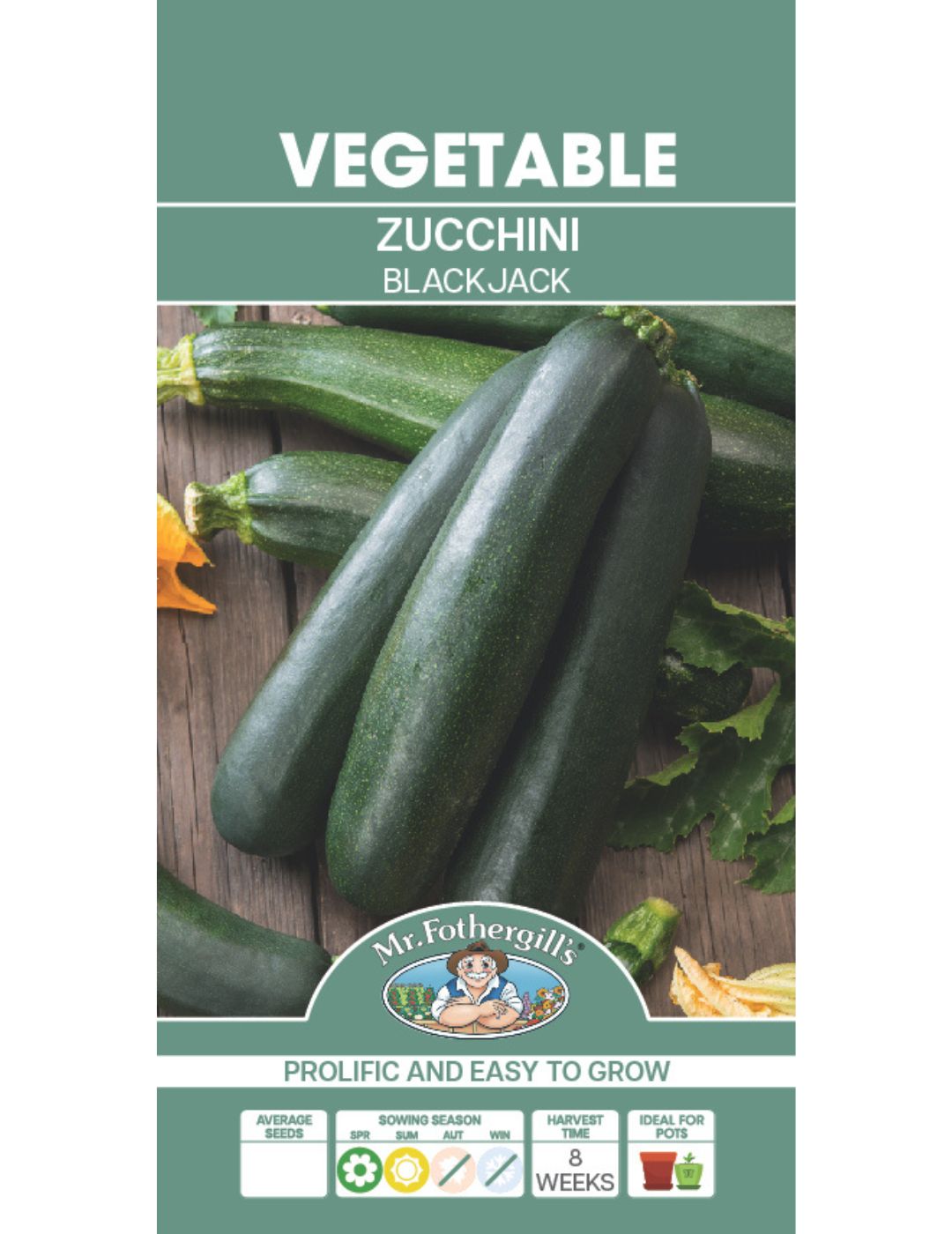
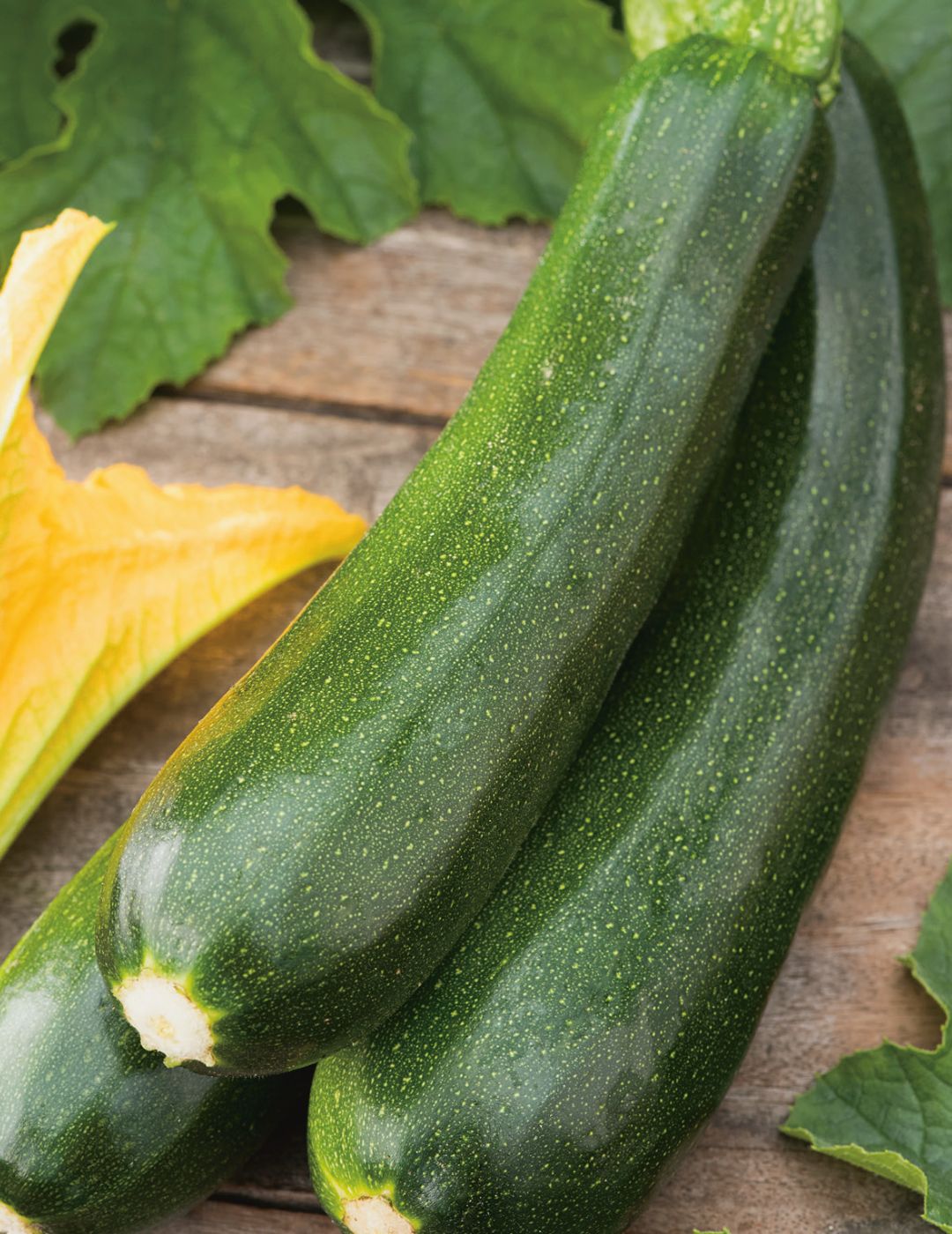
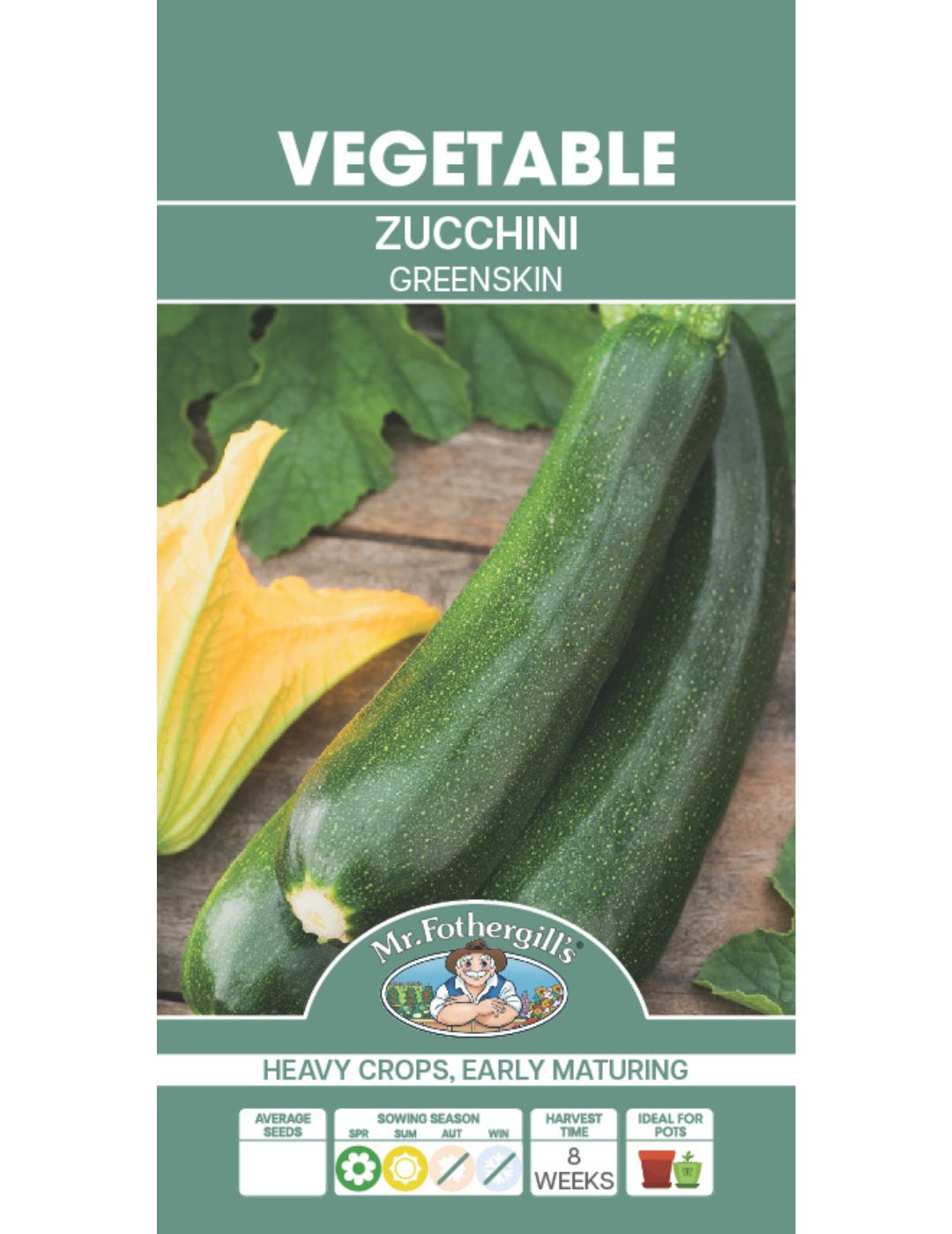
- Zucchini
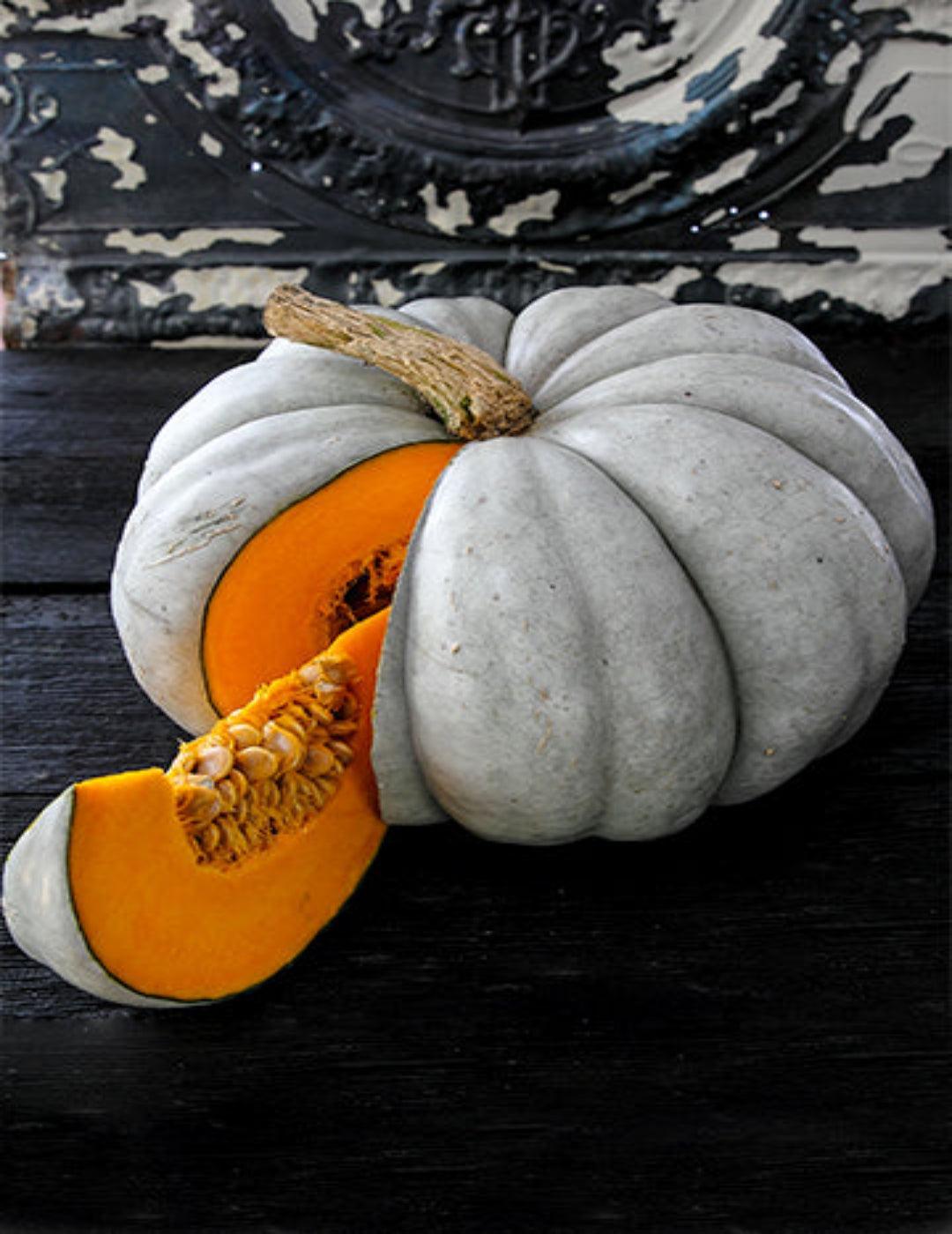
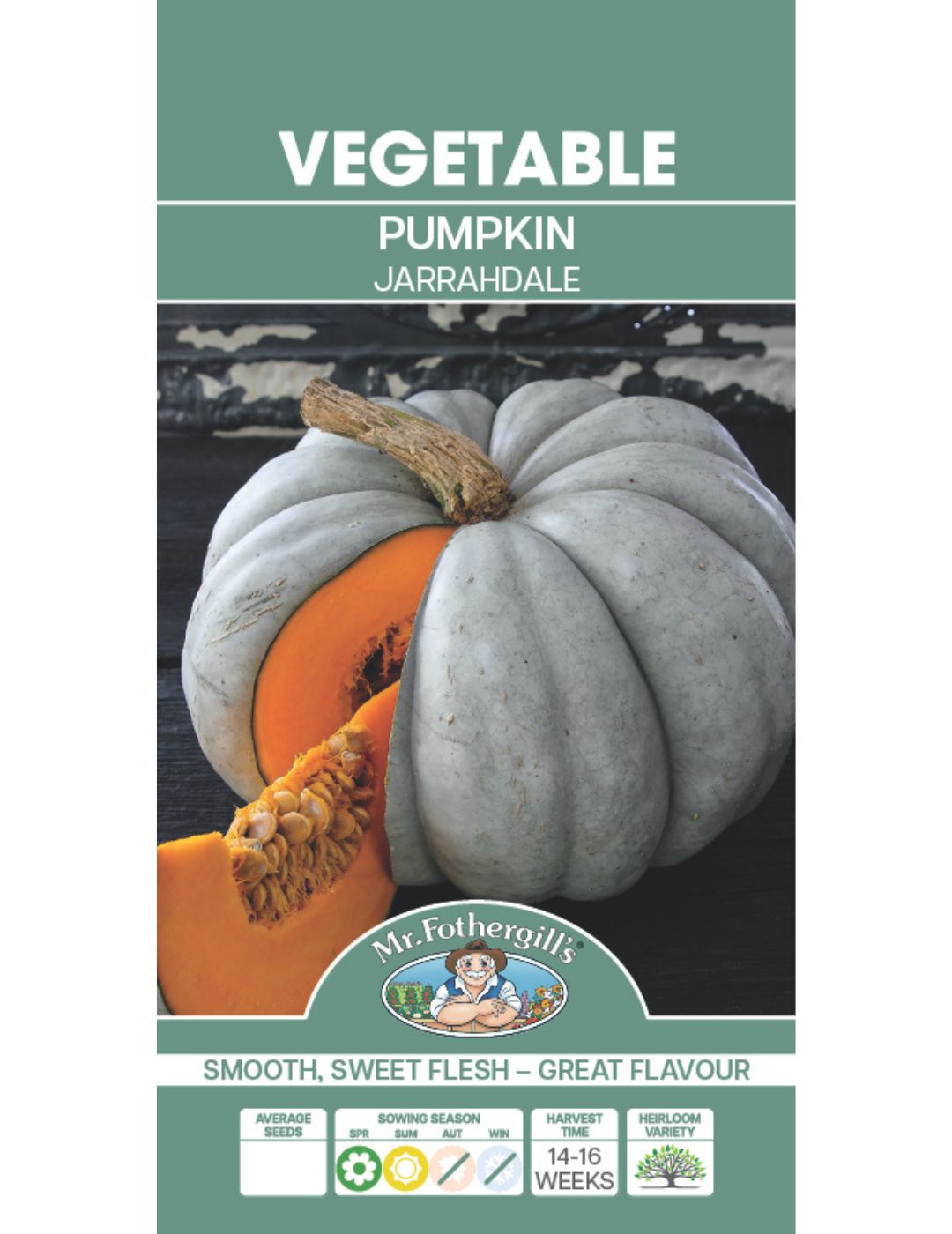
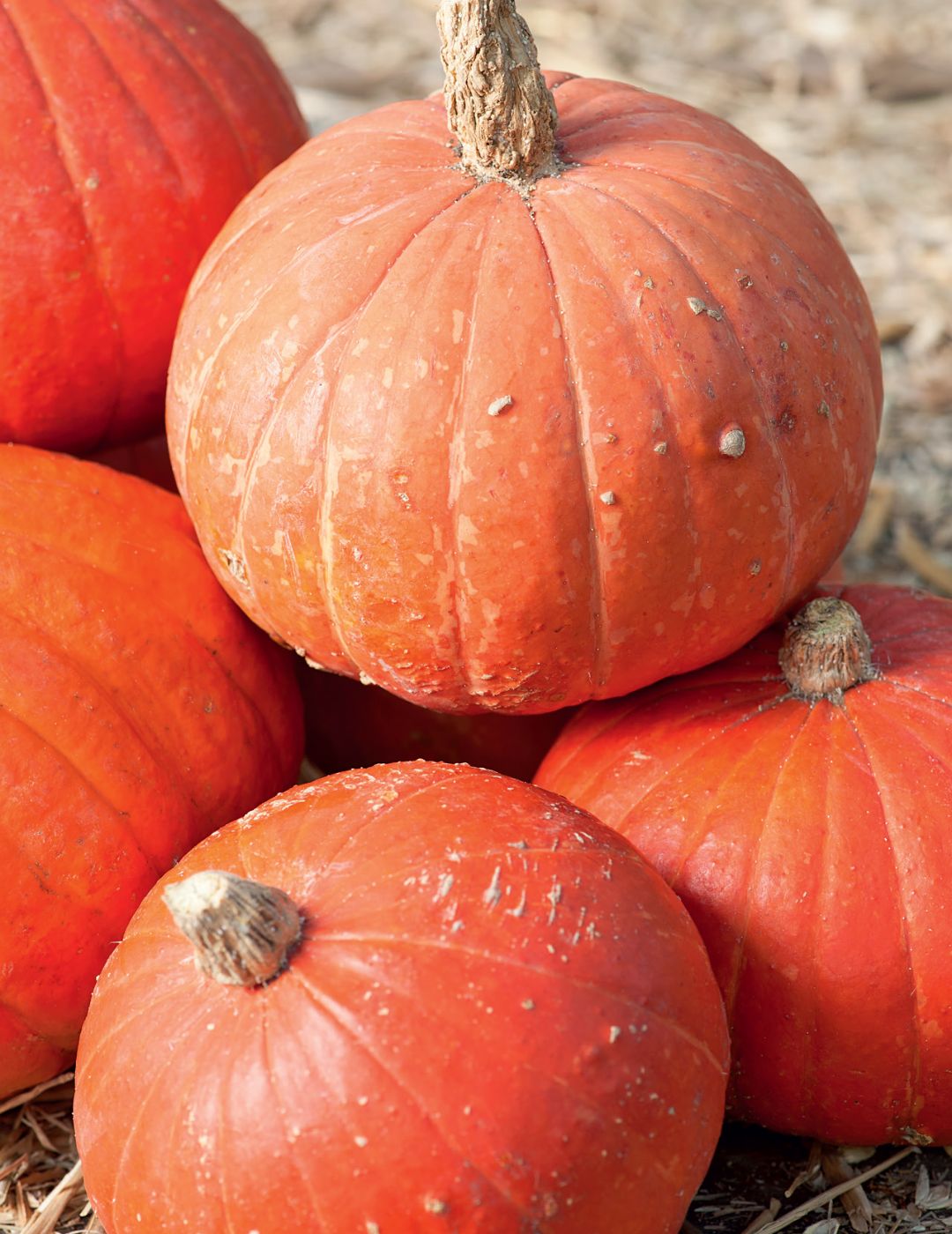
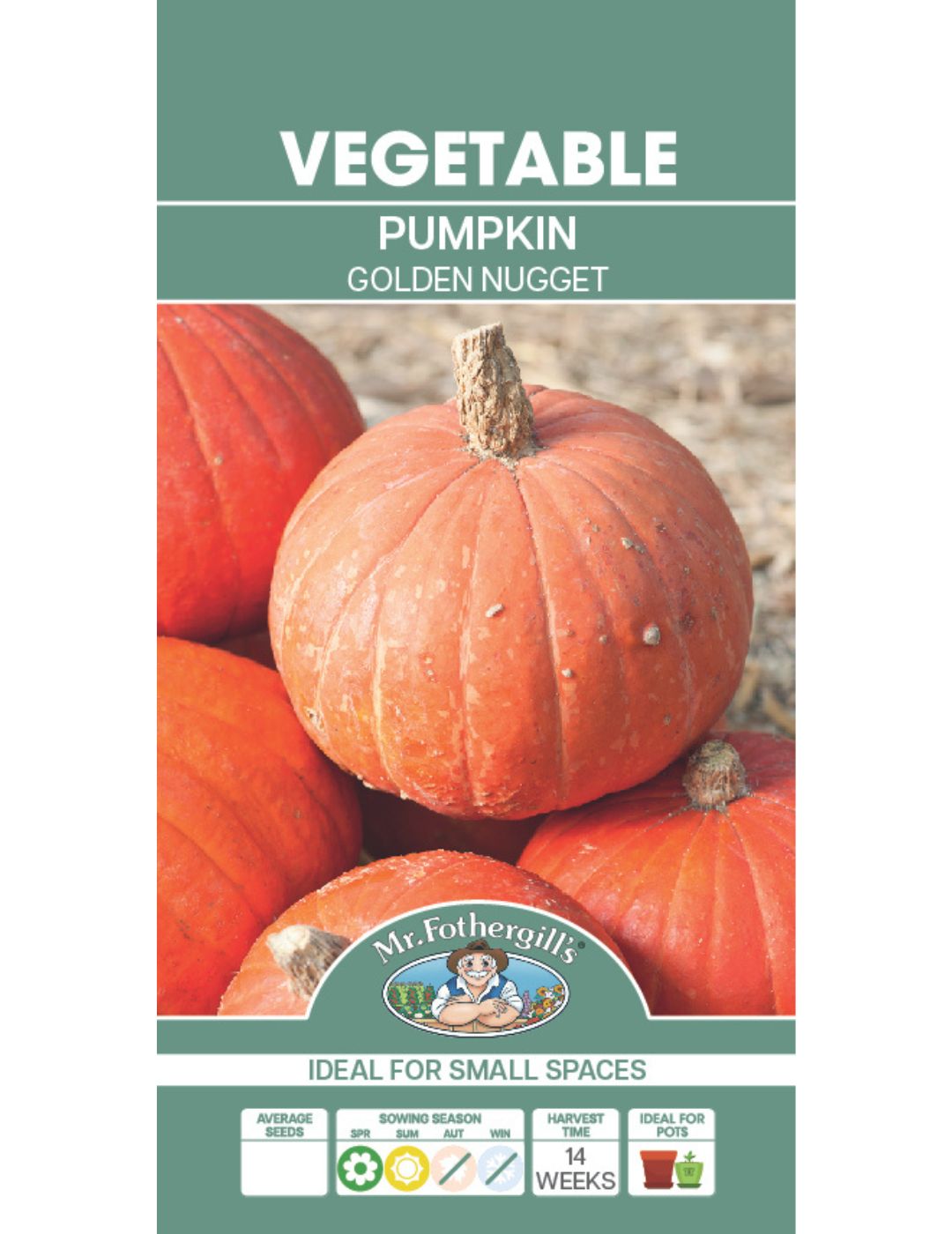
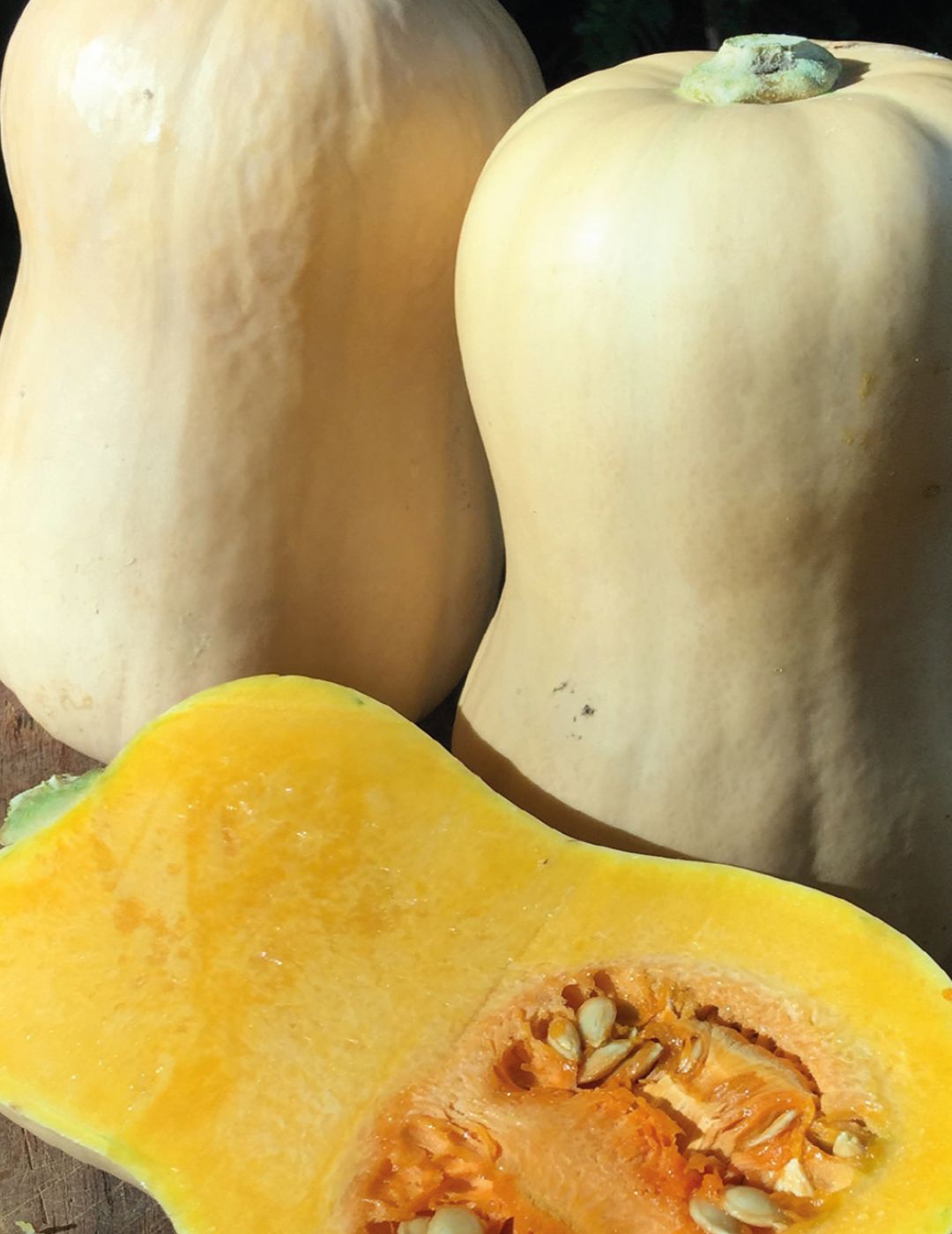
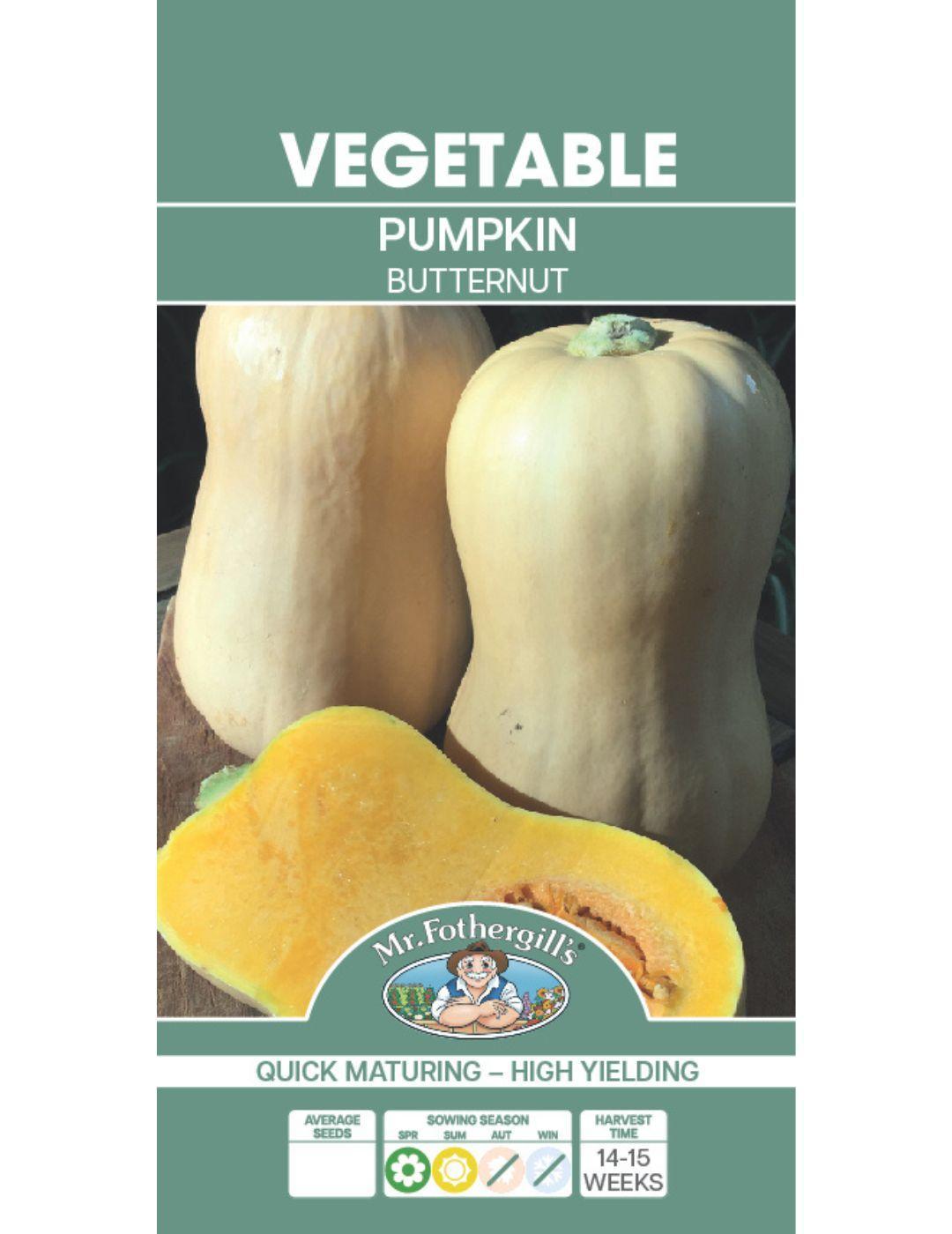
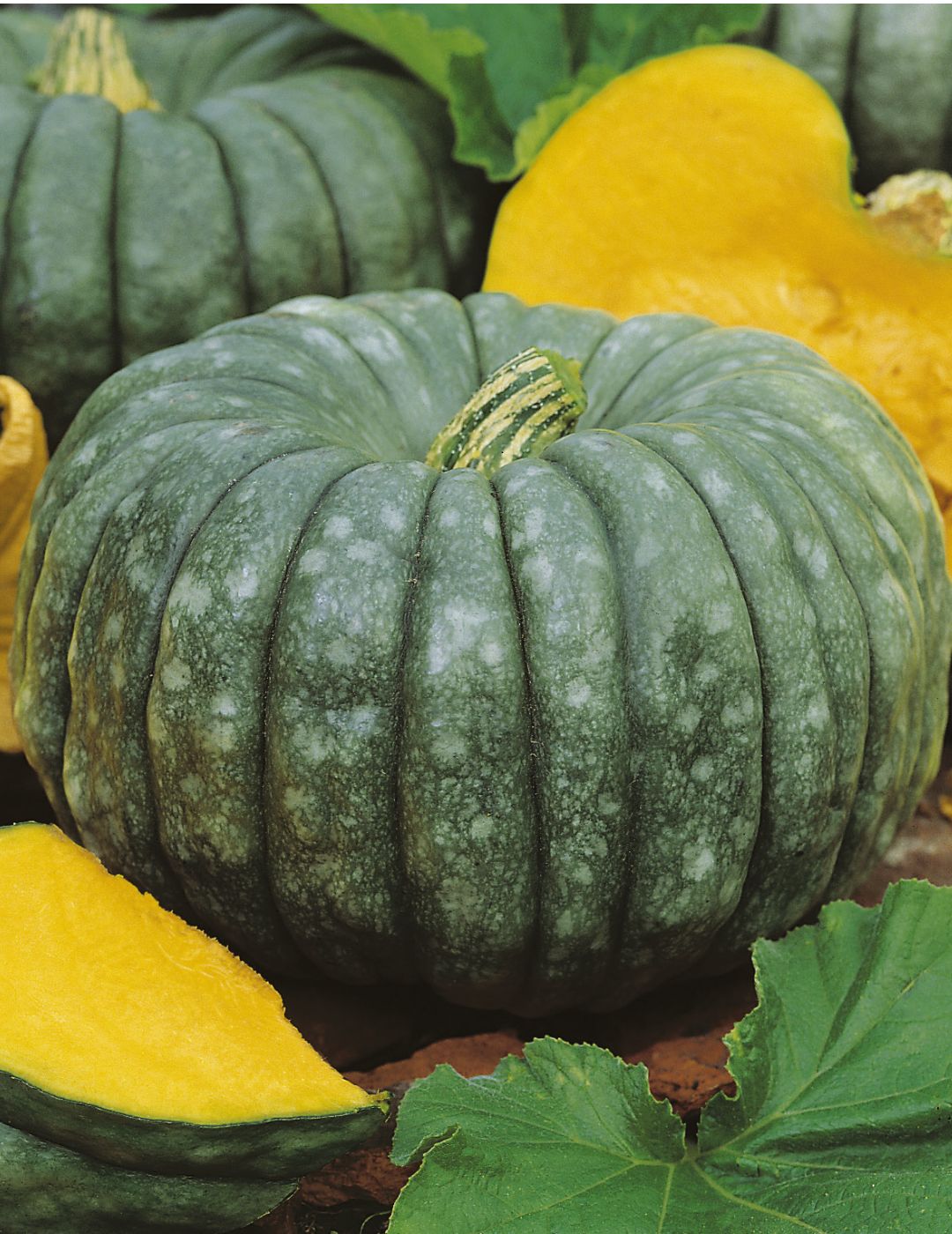
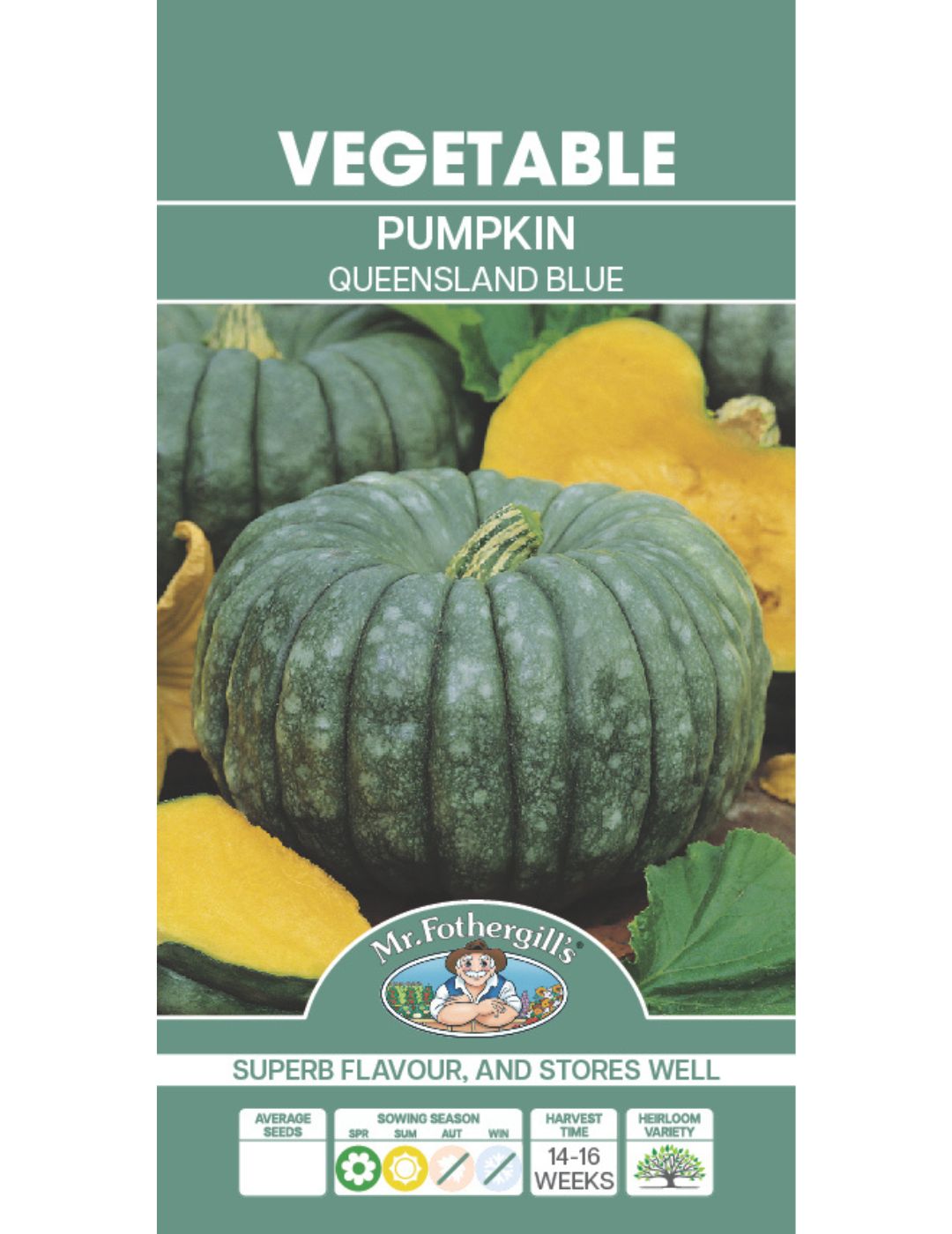
- Pumpkins
- Cucumbers
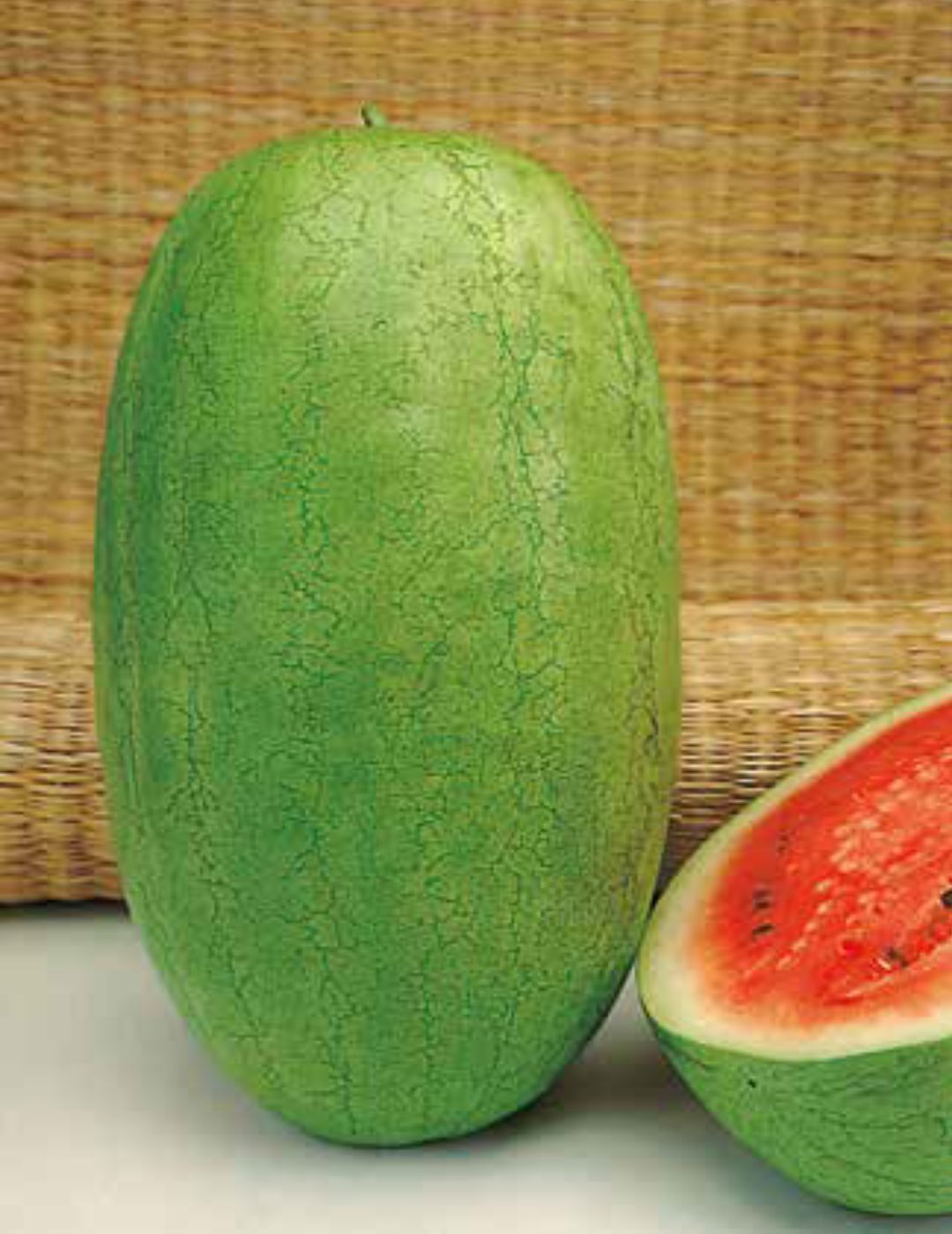
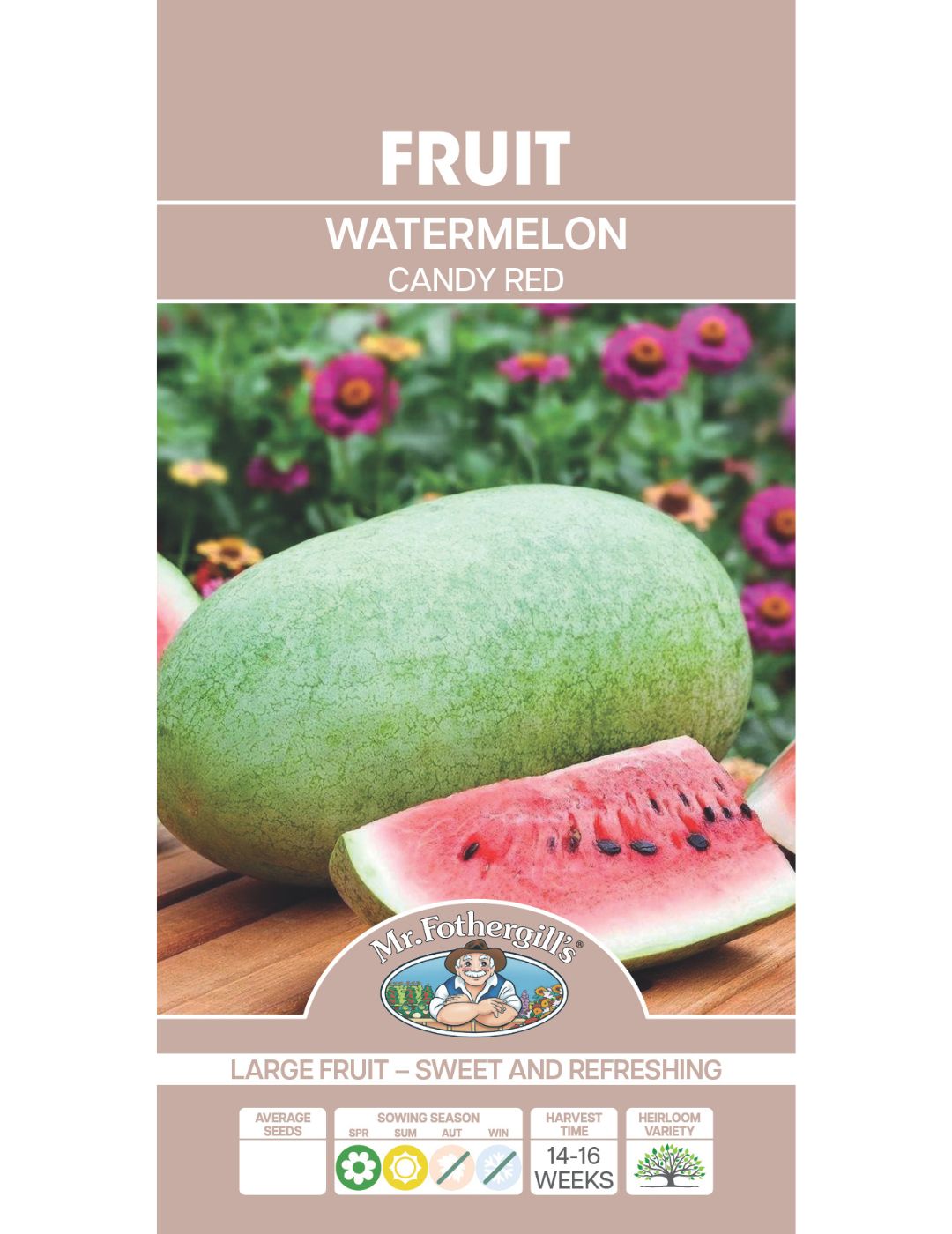
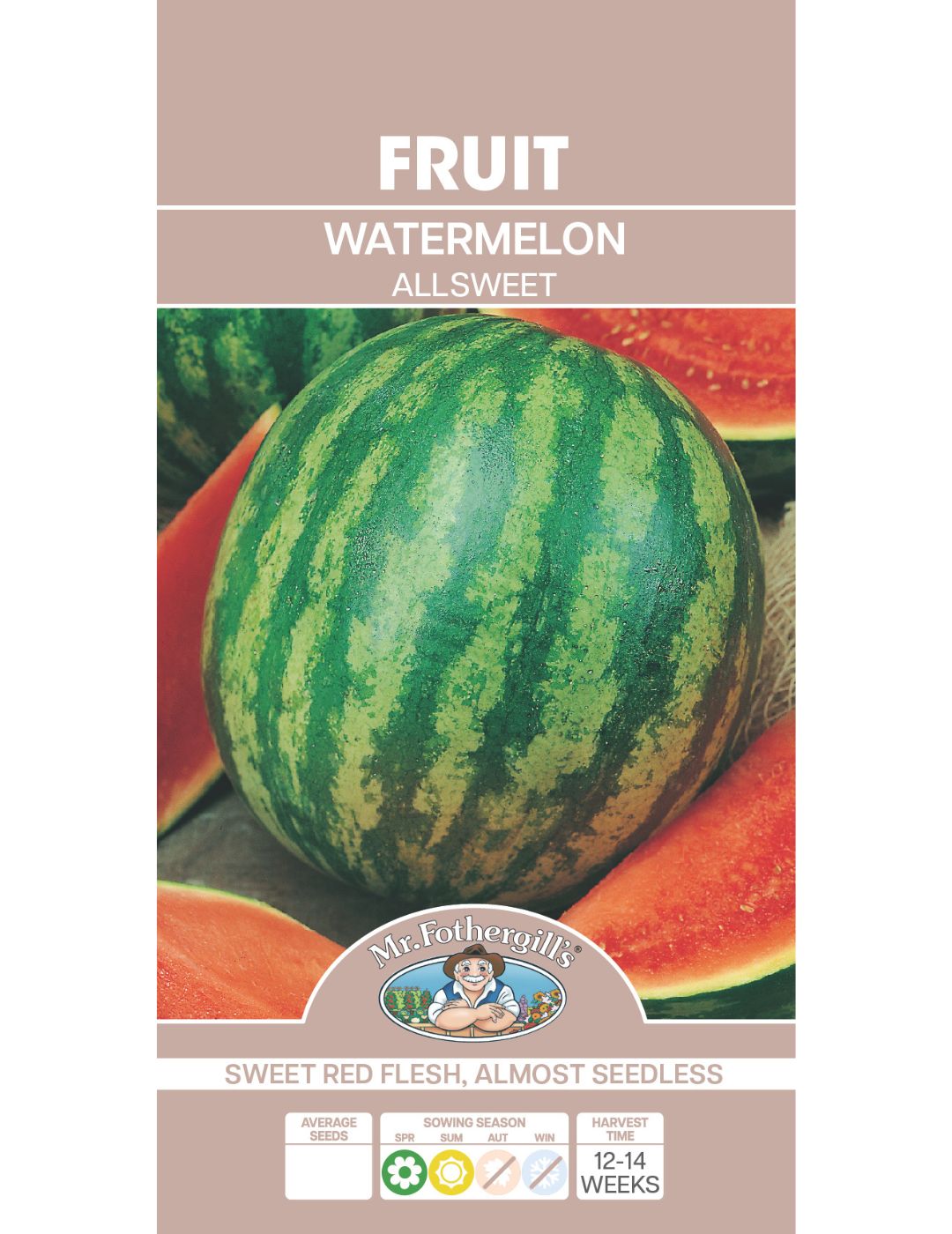
- Melons
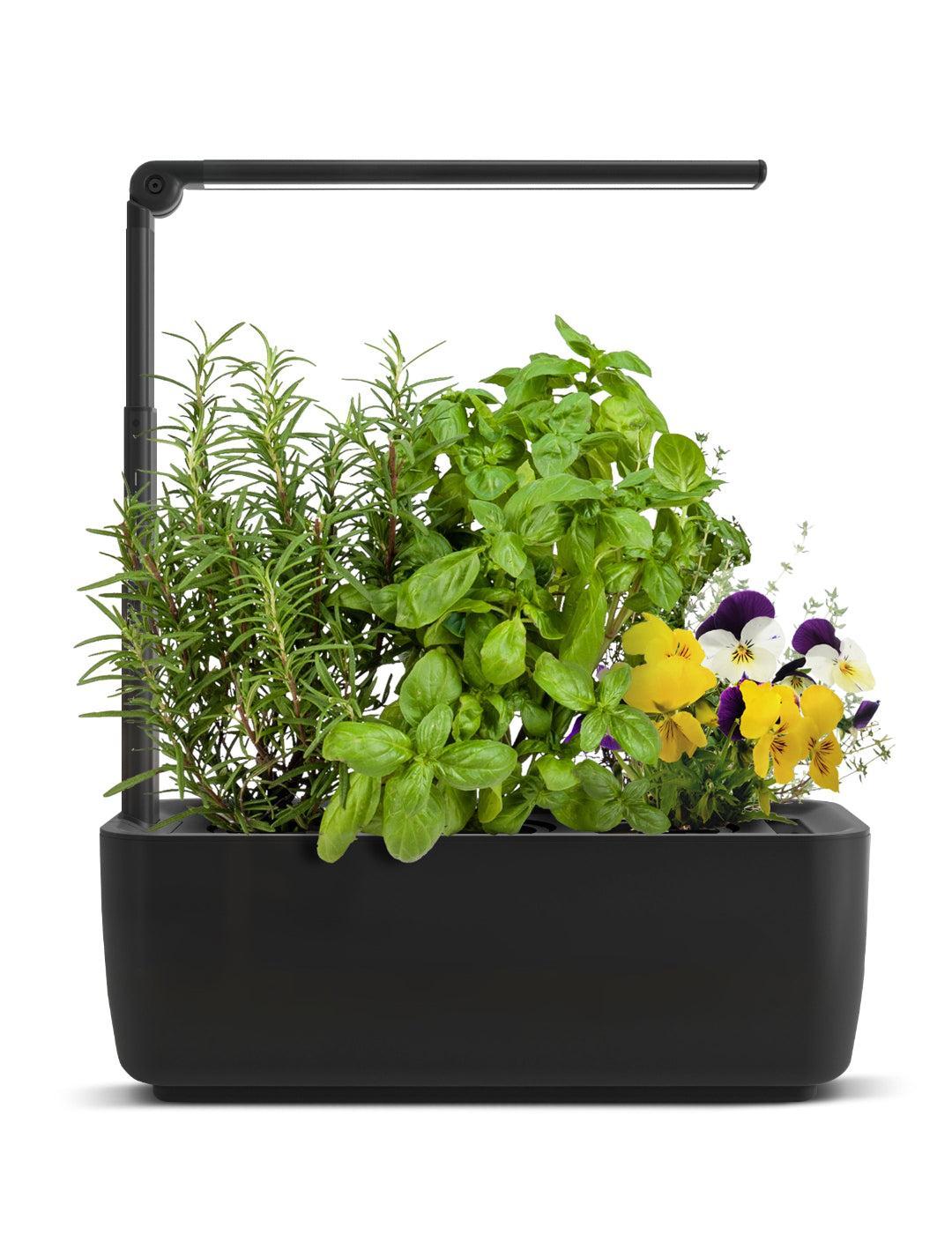
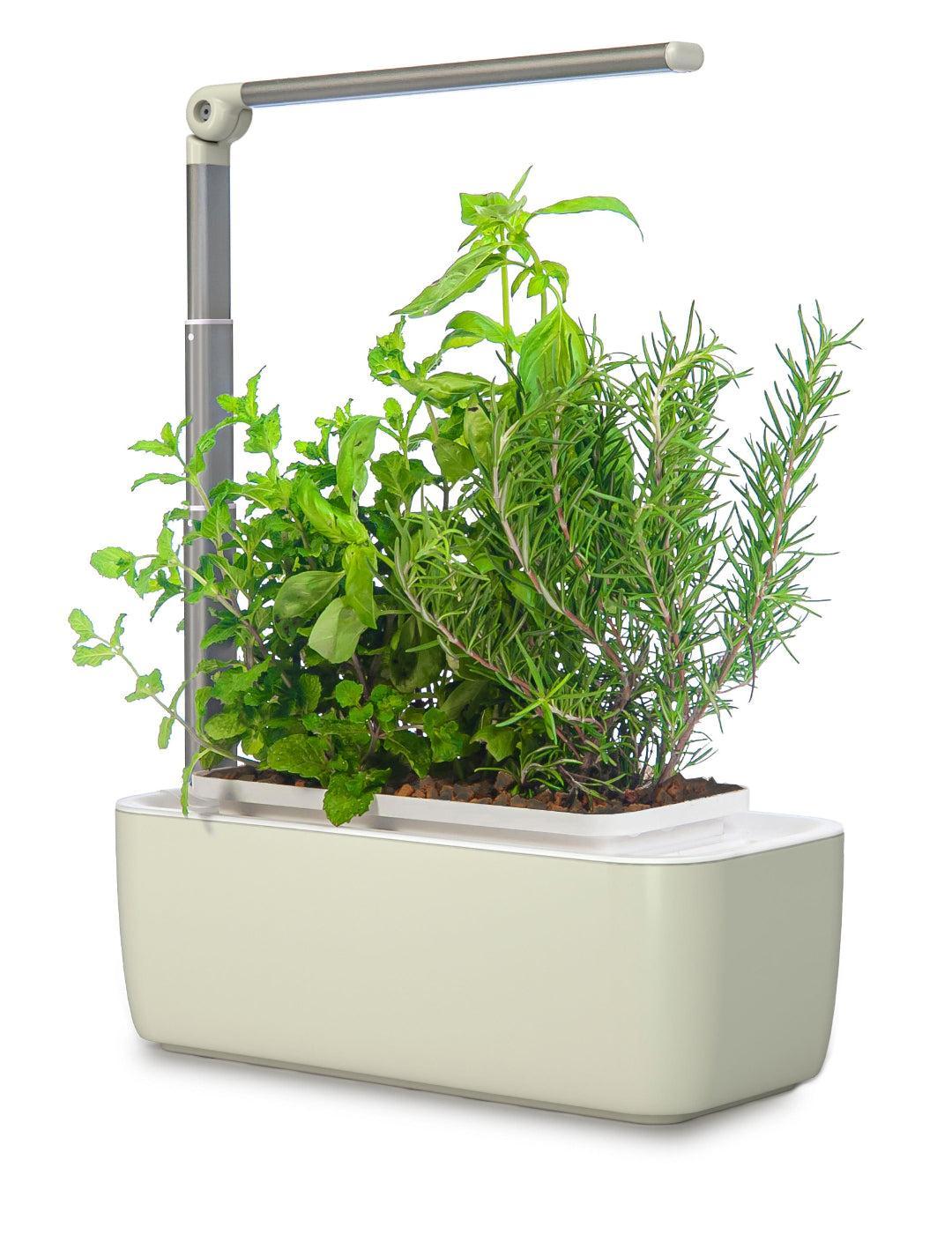
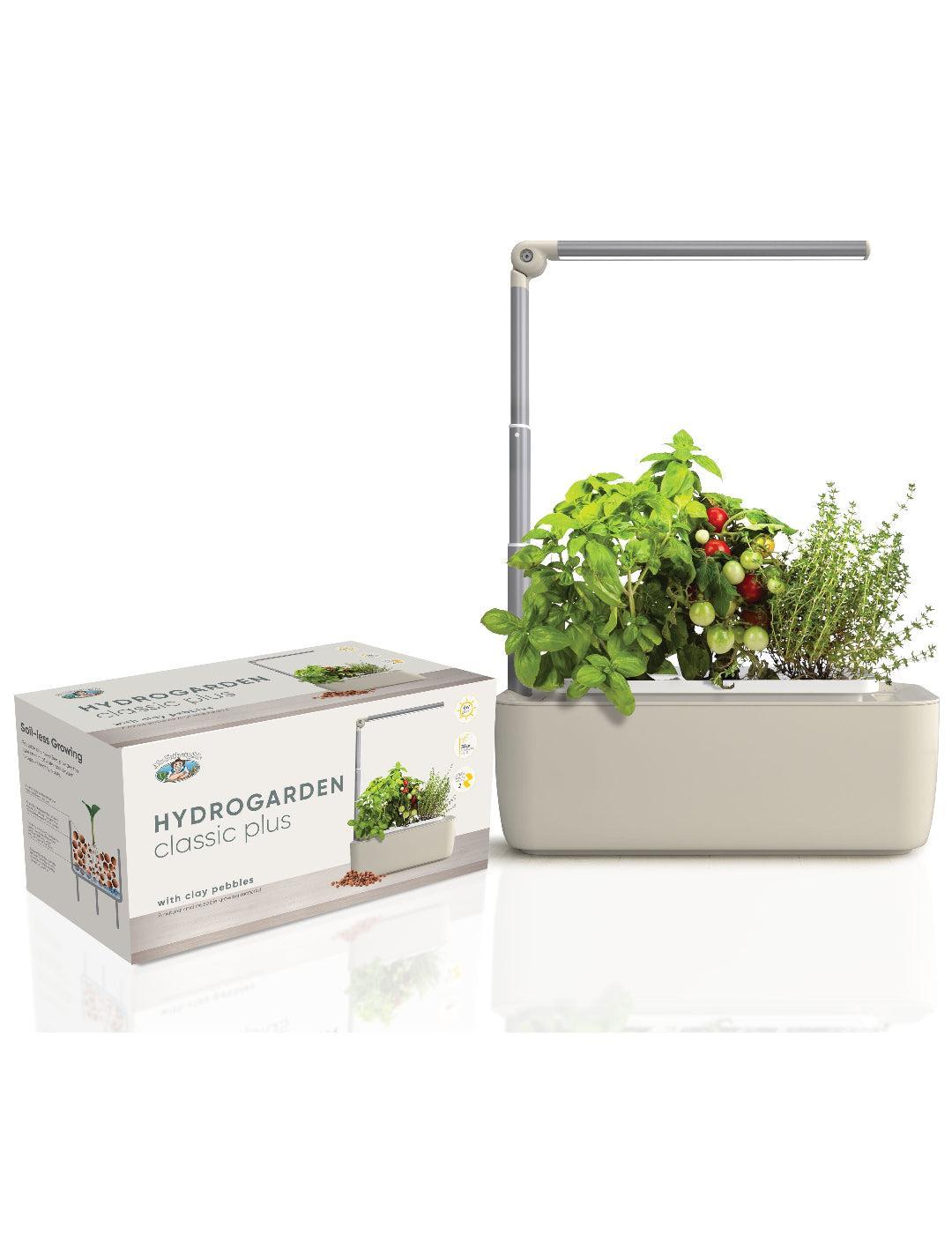
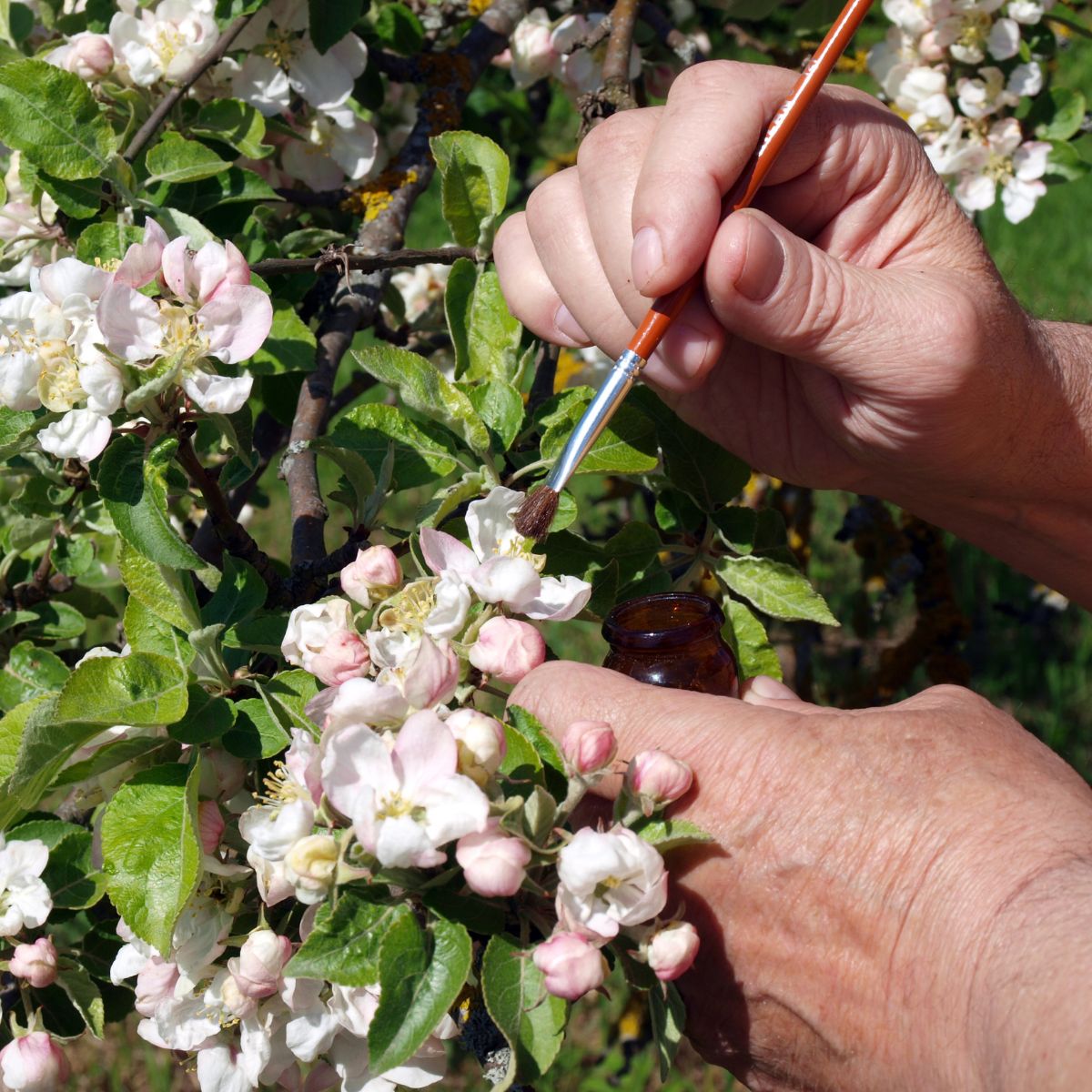
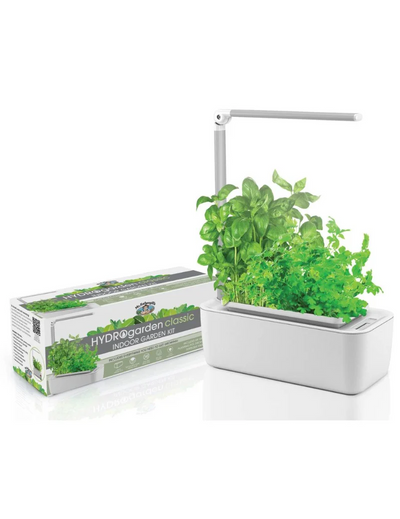
In these cases, hand pollination can dramatically improve yields. You will also need to lend a helping hand with your indoor hydroponic gardens if growing any fruiting crops such as strawberries and tomatoes where there is a lack of pollinators and wind.
Hand Pollination Step by Step
Follow below our simple steps for hand pollination:
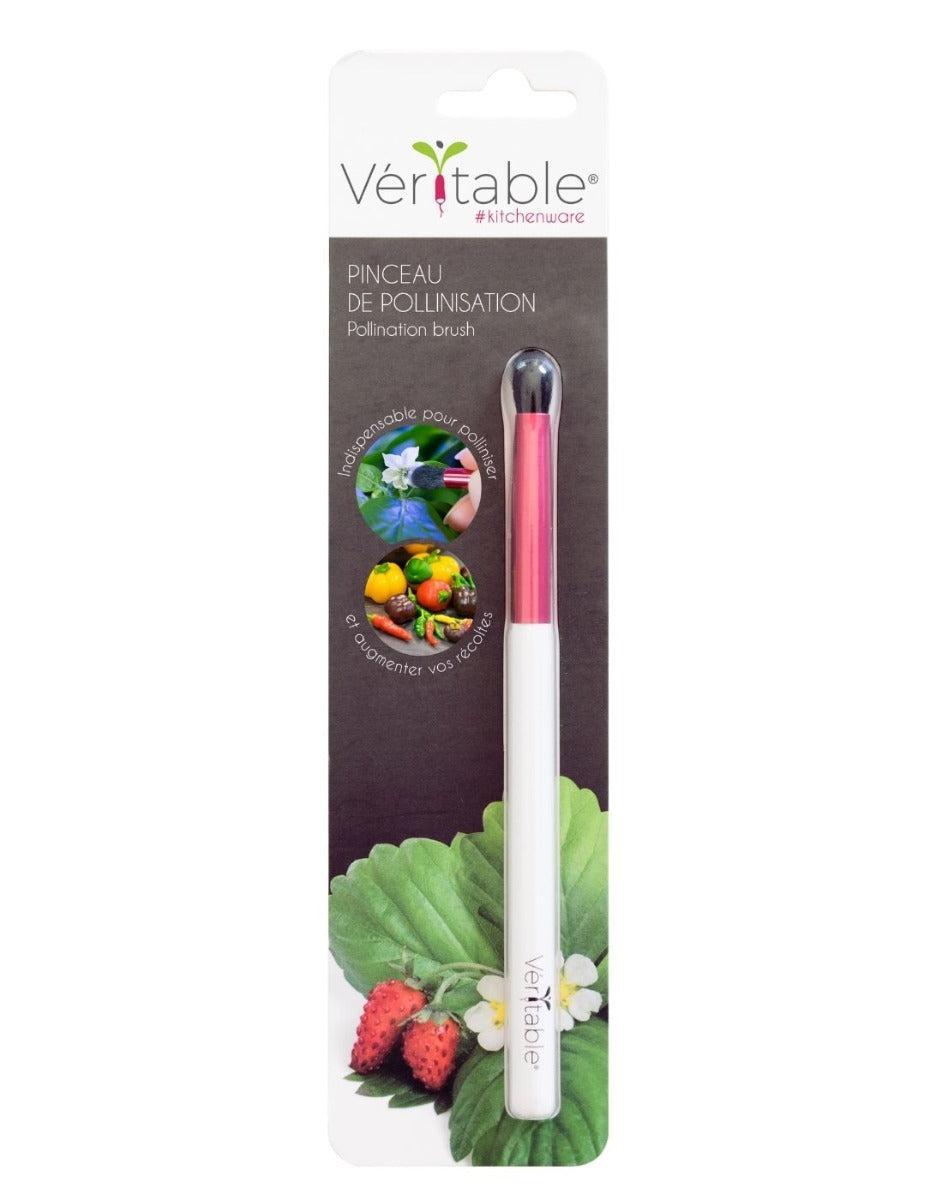
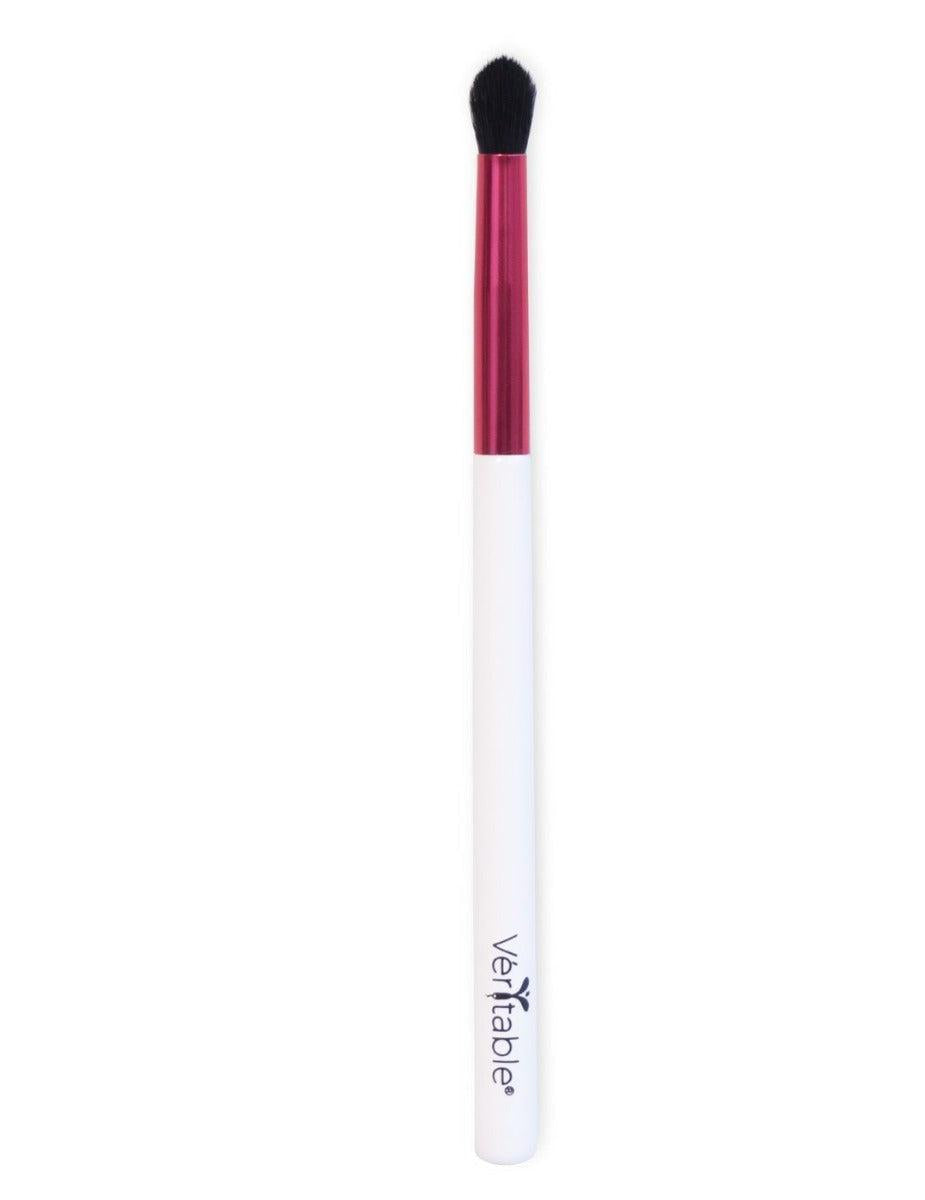
1. Taking a small pollination brush (try using our Veritable Pollination Brush) pick up some of the pollen from one flower by gently twirling the brush around the anthers.
2. Move the pollen from flower to flower with the brush. Some varieties will have separate female and male flowers, so it is important to locate the female flowers when transferring pollen. Other varieties will need the pollen gently brushed around the flower to come in contact with the female stigmas.
3. Continue transferring pollen from flower to flower to ensure a consistent result. You can also aid the process by gently shaking your plants to release and distribute pollen, particularly if they are wind pollinated varieties such as sweetcorn.

Encouraging Pollination Naturally
Rather than pollinating by hand every season, focus on encouraging natural pollination.
You can do this by:
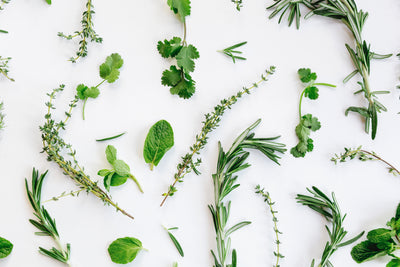
- Planting flowering herbs and companion plants near your vegetables
- Including native plants to attract local pollinators
- Avoiding chemical sprays particularly when insects are active during the day
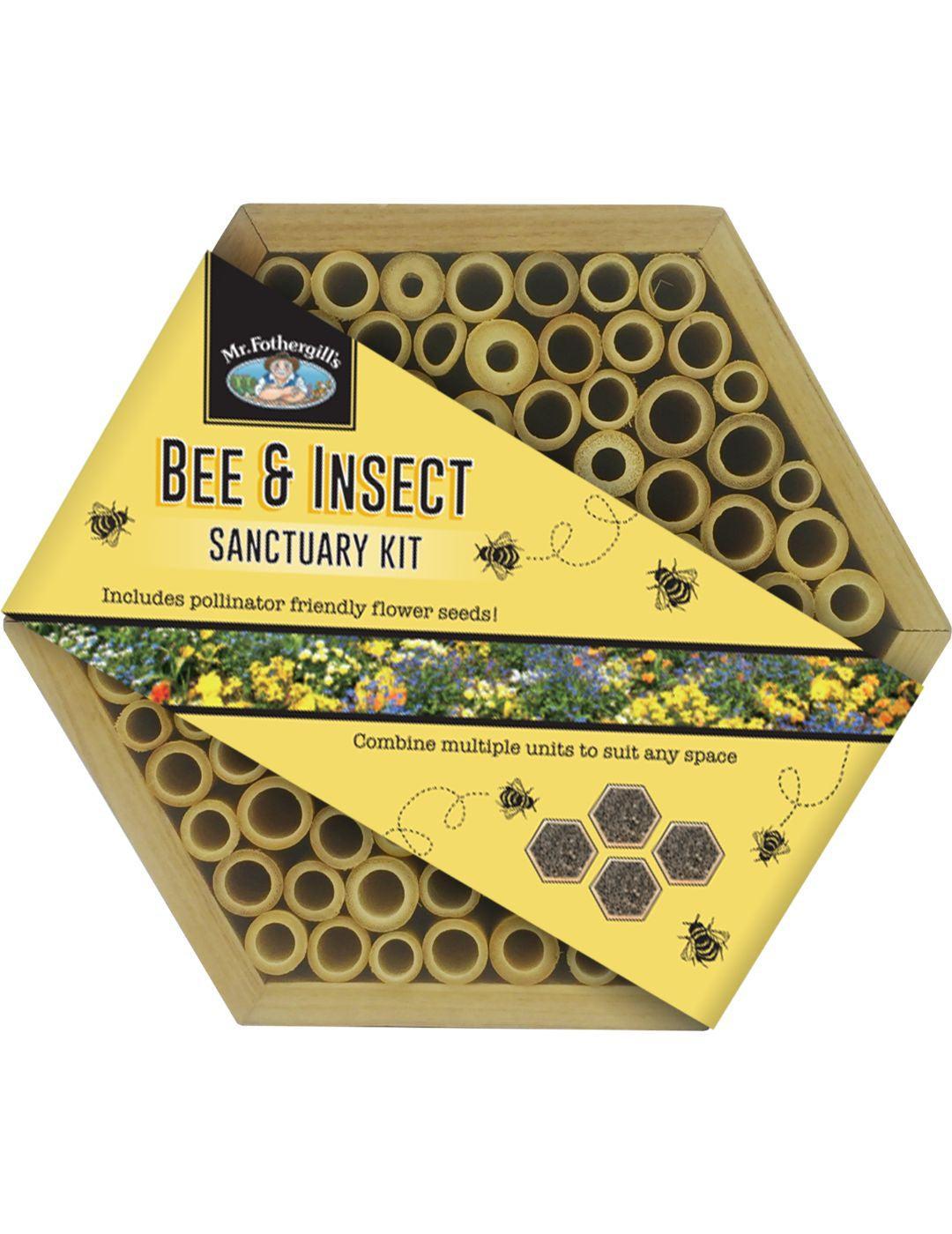
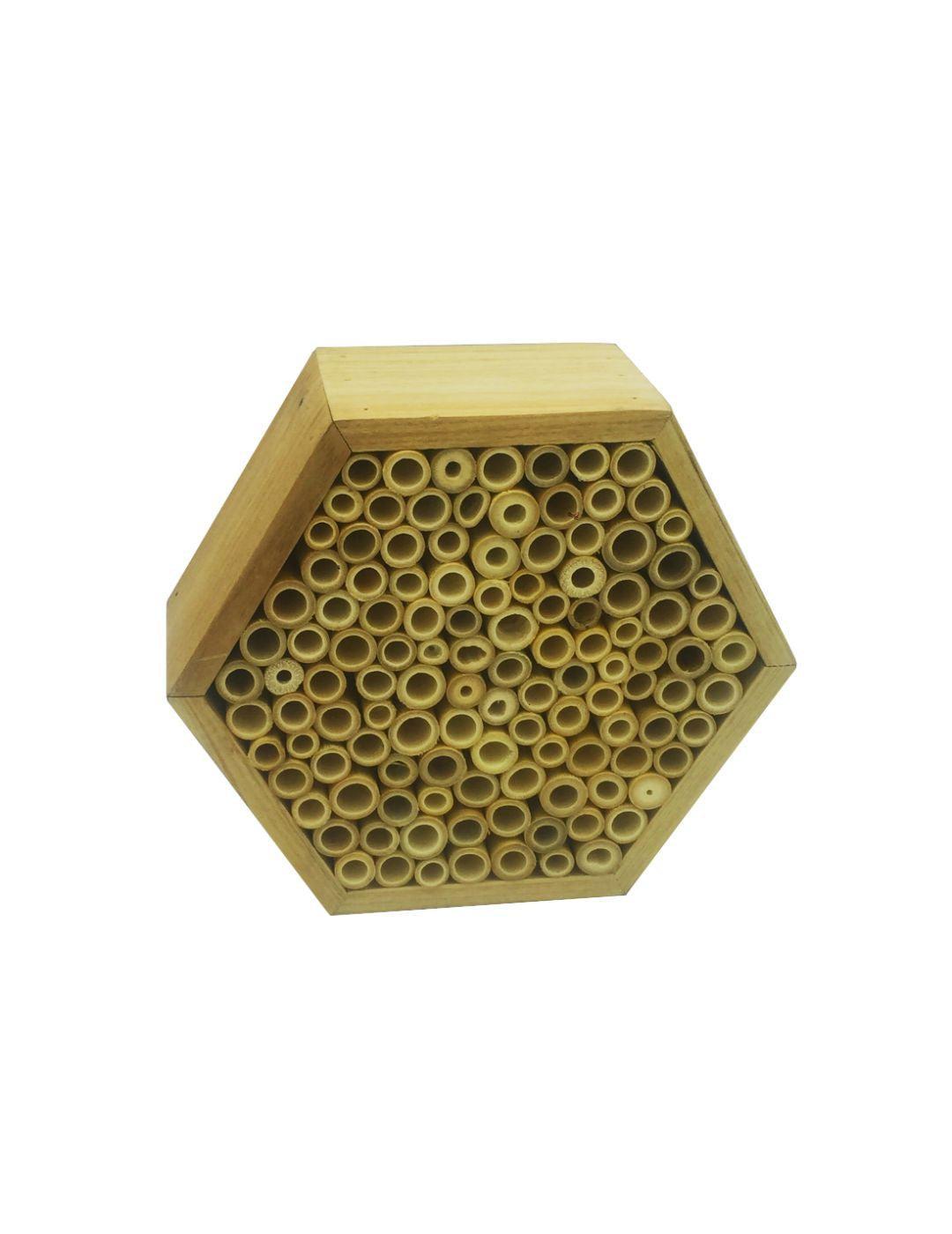
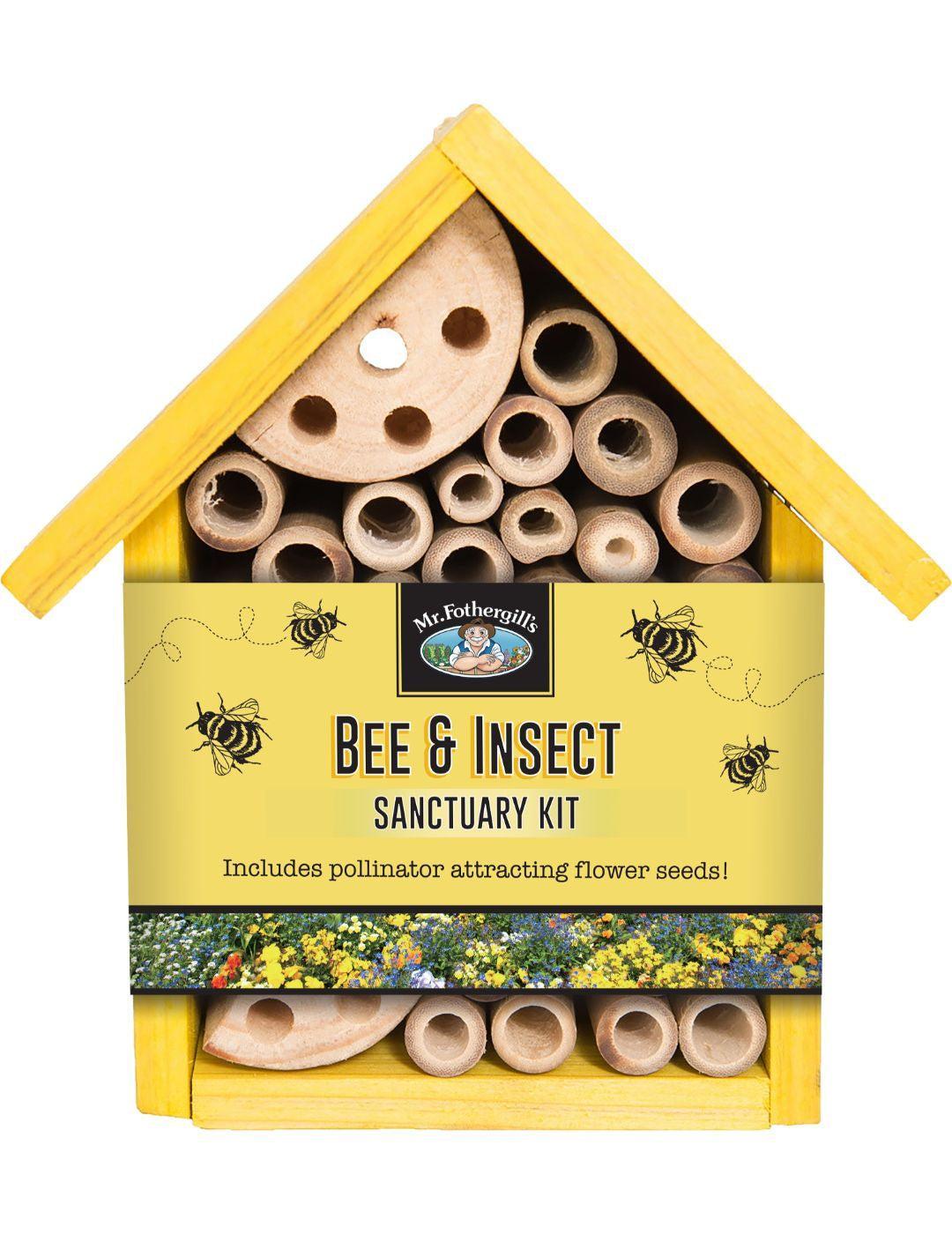
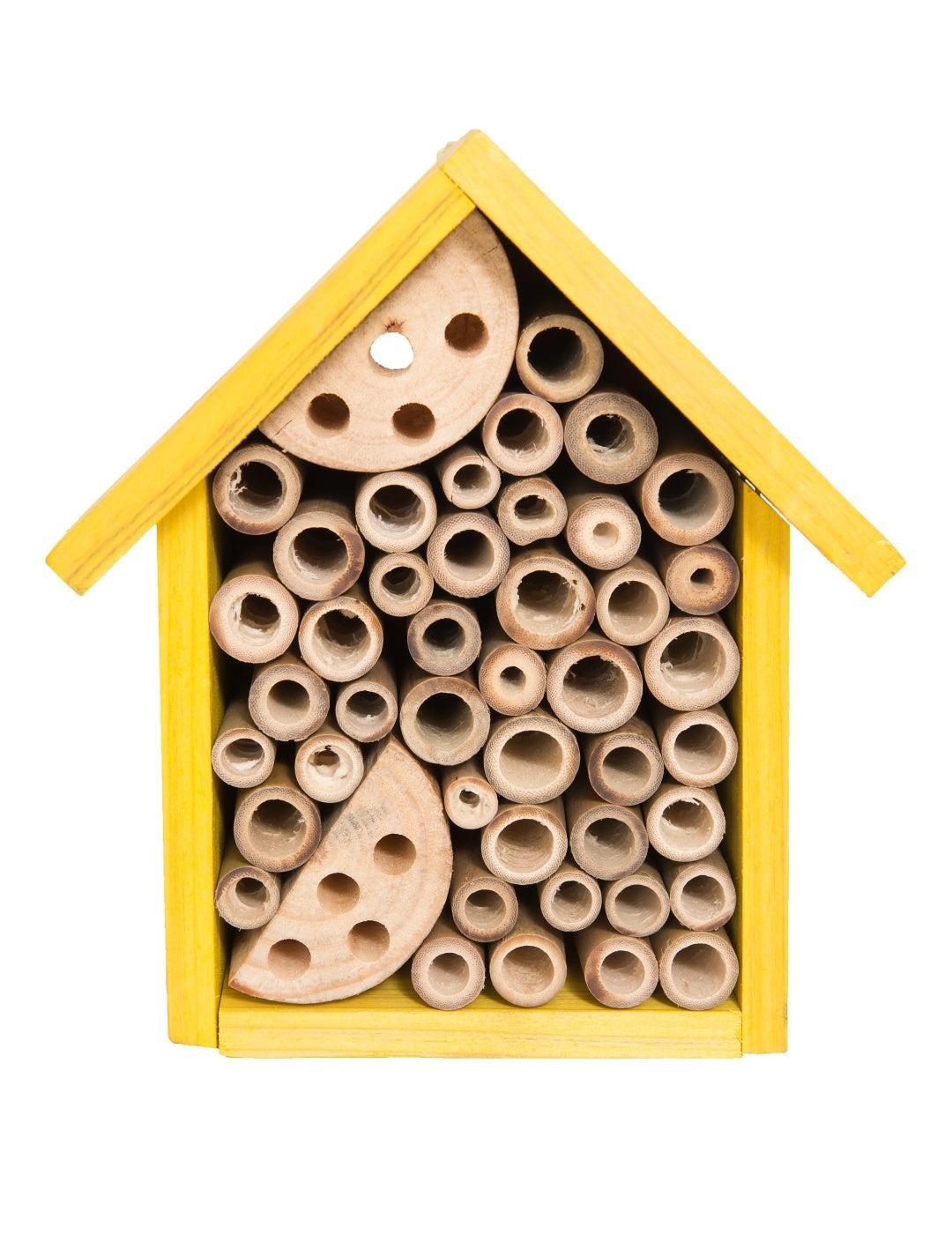
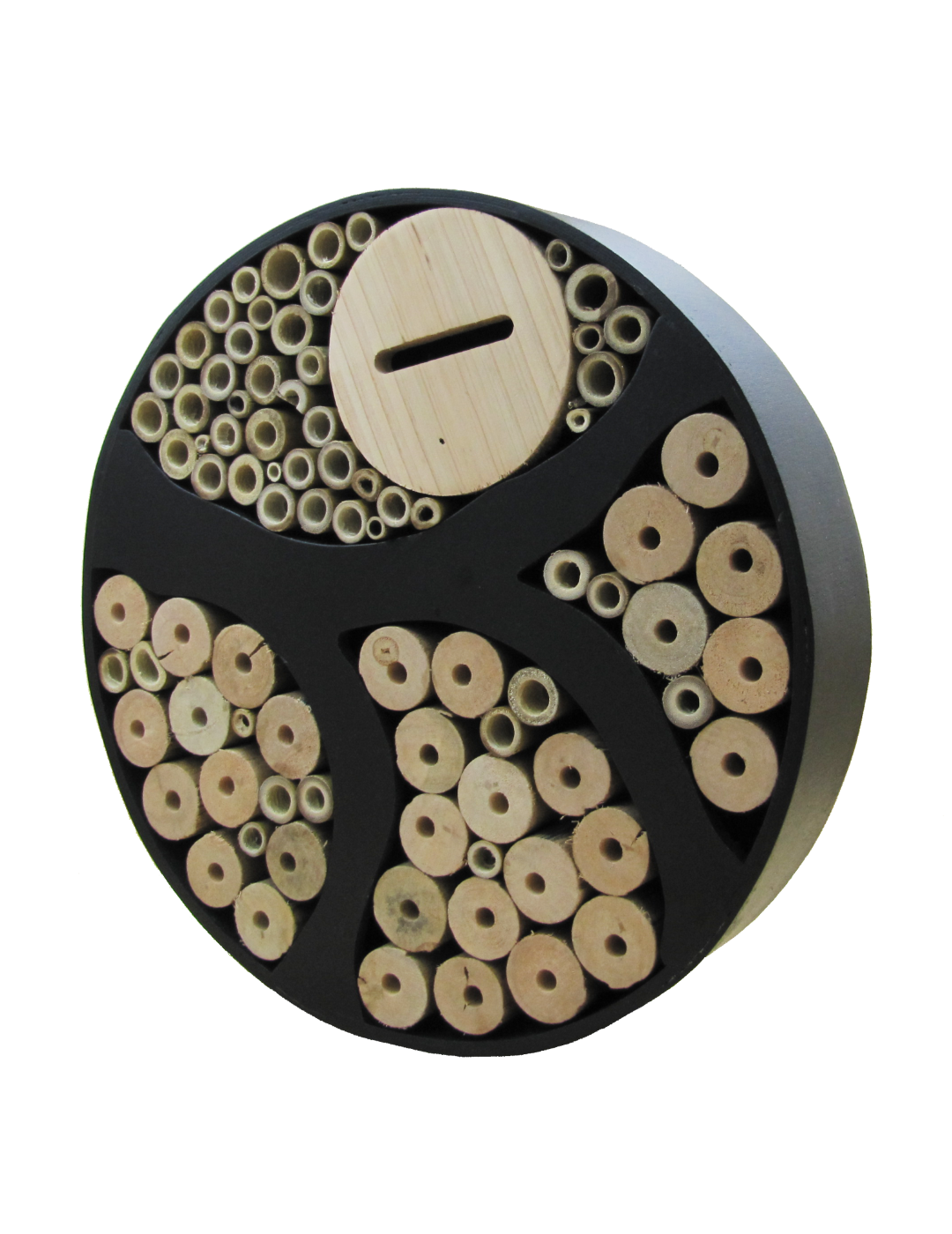
- Providing shallow water sources and shelter
- Ensuring insect pollinated plants such as zucchini and pumpkin are not covered with insect mesh once flowering – this will prevent these critters from being able to do their job.
In Conclusion
If your veggies are already producing great yields, congratulations! Pollination is already occurring and taken care of. If you do notice signs of poor pollination, be sure to implement these tips while supporting your local pollinators and environment for the best results in seasons to come. Happy gardening!