










Growing from seed is a popular way to start a garden or add something new to your displays, but why should you do it? Is it better to grow vegetables from seeds or plants, and what are the benefits of growing from seed? At Fothergill’s, we’ve put together this definitive guide to cover why growing vegetable seeds can benefit your garden, how you can do it, and when the alternative of seedlings might be used.
Growing From Seed vs Seedling: The Key Benefits
When starting a garden or preparing a new display, every gardener has to make a decision. Is it better to grow plants from seed or purchase seedlings? To answer this question, let’s cover some key benefits of growing from seed.
No Transplant Shock
One of the most important benefits of growing from seed is that it eliminates the risk of transplantation shock. Without the need to move your seedlings, which could disrupt their growth, this method allows plants to quickly establish strong, healthy roots.
When you buy a seedling grown in a plastic pot, it has likely been grown in a greenhouse under optimum conditions, meaning it will initially struggle once you take it home. Seedlings grown in pots for prolonged periods often develop deformed roots, limiting growth and nutrient absorption.
To transplant them to the garden, you have to separate seedlings from the ball they’ve formed, which dramatically increases the chance of transplantation shock, as the plant will focus its energy on repairing the damage to the roots before it can continue growing. Growing from seeds skips this step entirely!
Nourishment and Protection
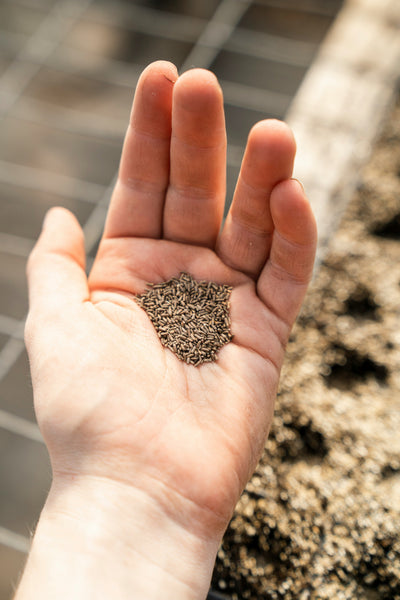
Growing from seed promotes simple, healthy growth, with the seed itself providing nutrients for the first few weeks. This means that all you have to provide is water and warmth, with many seeds having protective coatings that work as a buffer against poor growing conditions.
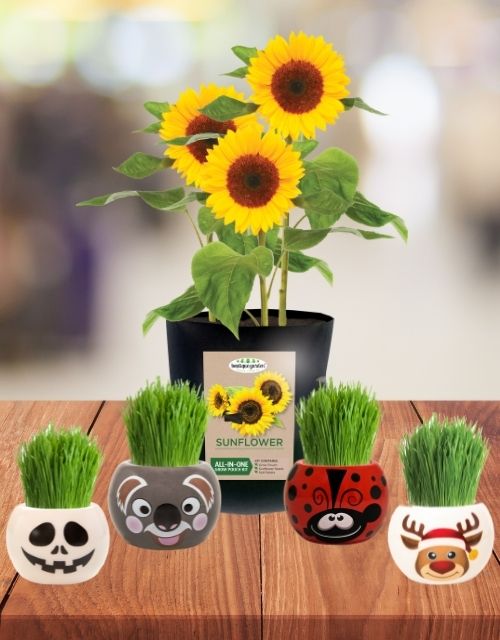
Bigger seeds are excellent because they provide even more nutrients, are easier to handle, and produce more robust seedlings. Large-seeded varieties that are perfect for beginners include sweetcorn, sunflowers, nasturtiums, and coriander.
Speed and Efficiency
A common misconception is that growing from seed requires patience, with germination time ranging from just 2 days to 6 weeks, but most homegrown varieties germinate within 10 days. Mr Fothergill’s packaging always advises on how long each seed will take to germinate, but for the quickest results, veggies like radish and leafy greens like spinach can be harvested in just four weeks!
Cost-Effective
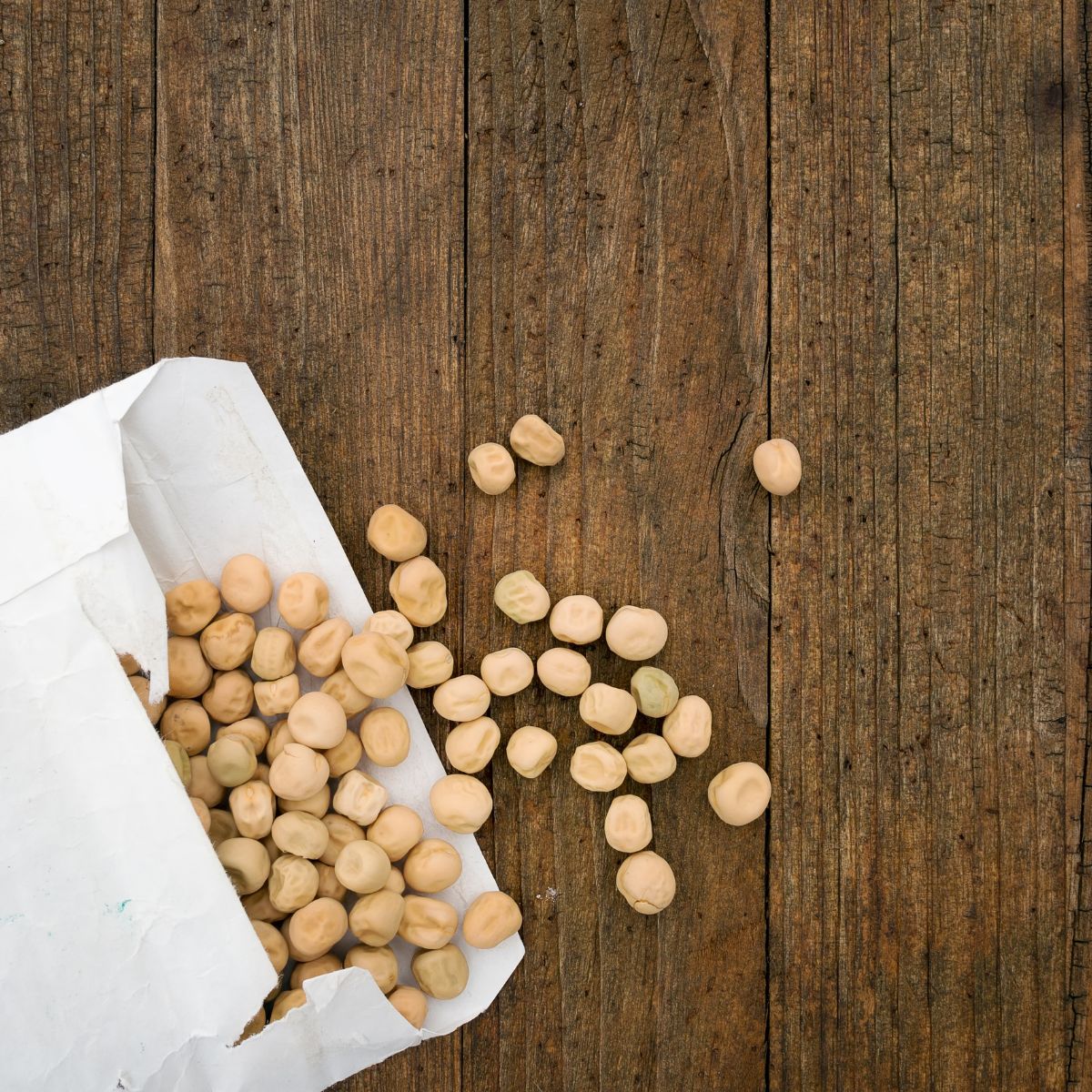
For many seed types, you can get hundreds or thousands of seeds per packet, making them a great cost-per-plant option! Seeds also have a long shelf life, so that you can use the same packet over time for a succession of vegetables and flowers.
Chemical-Free Produce
Growing from seed means you know precisely what your produce contains, avoiding any and all chemicals. All of Mr Fothergill’s seeds are GMO-free, and any seed varieties that must be chemically treated by law are clearly marked on the packet. If there is no chemical warning on the packet, these seeds have not been treated.
Sometimes It’s the Only Way!
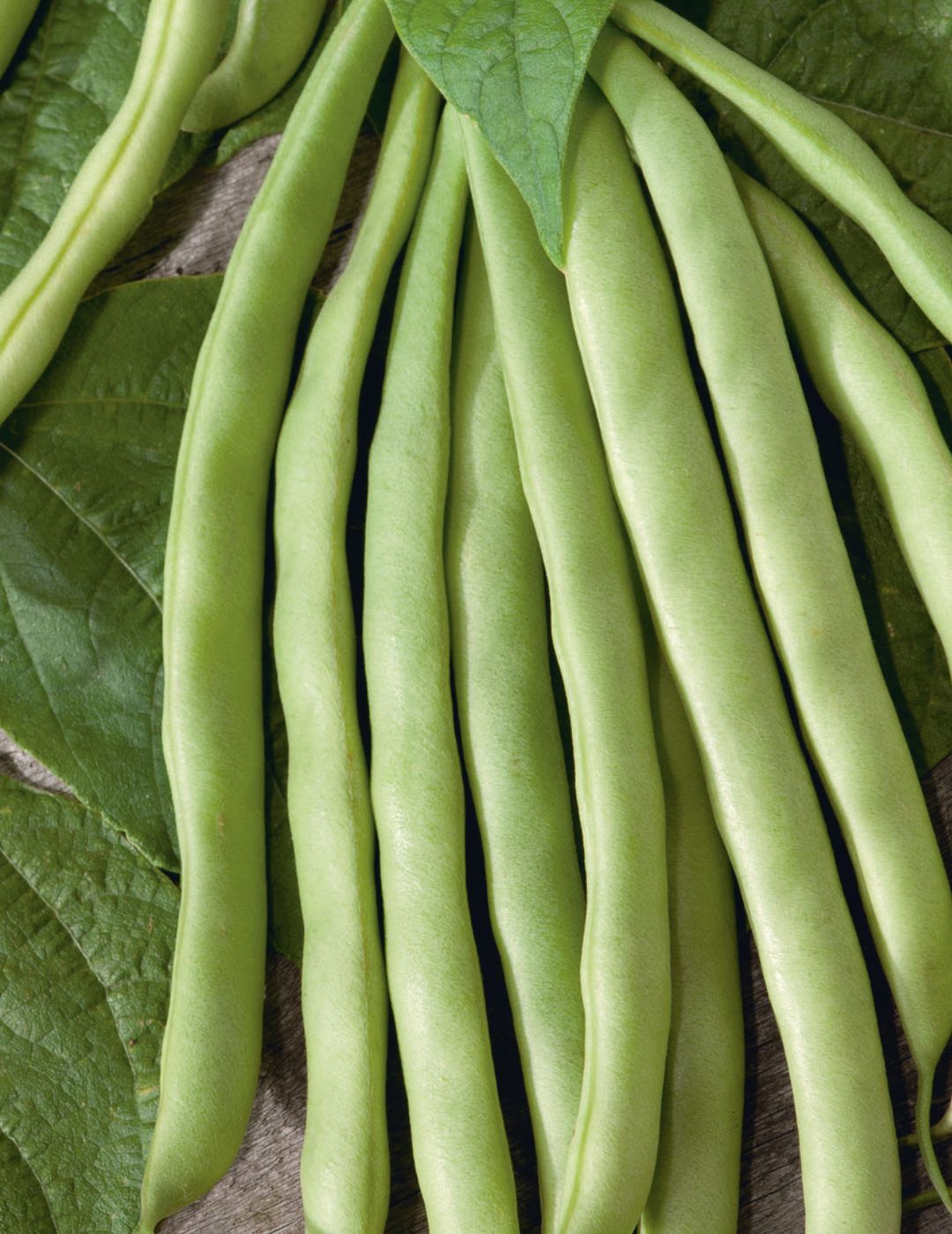
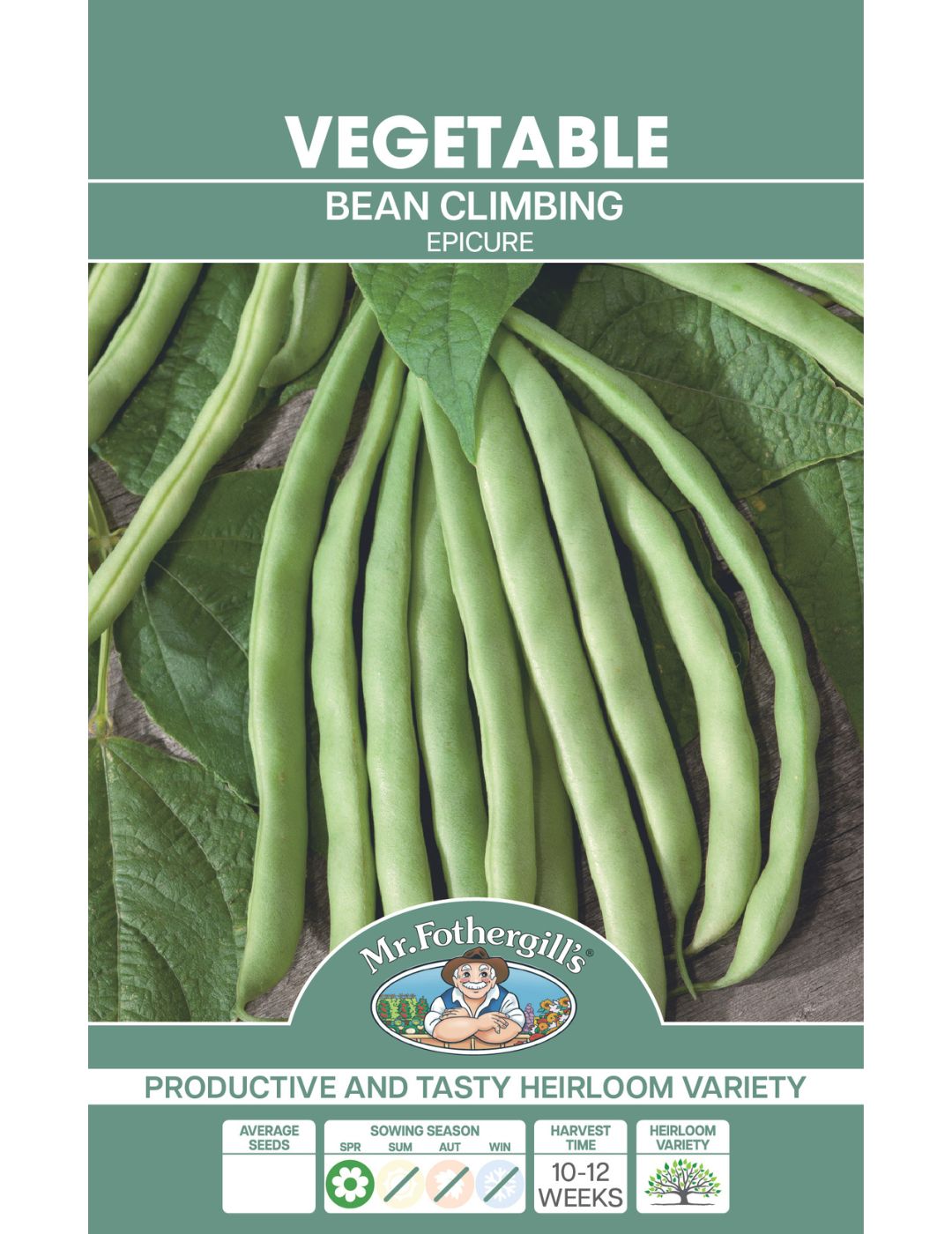
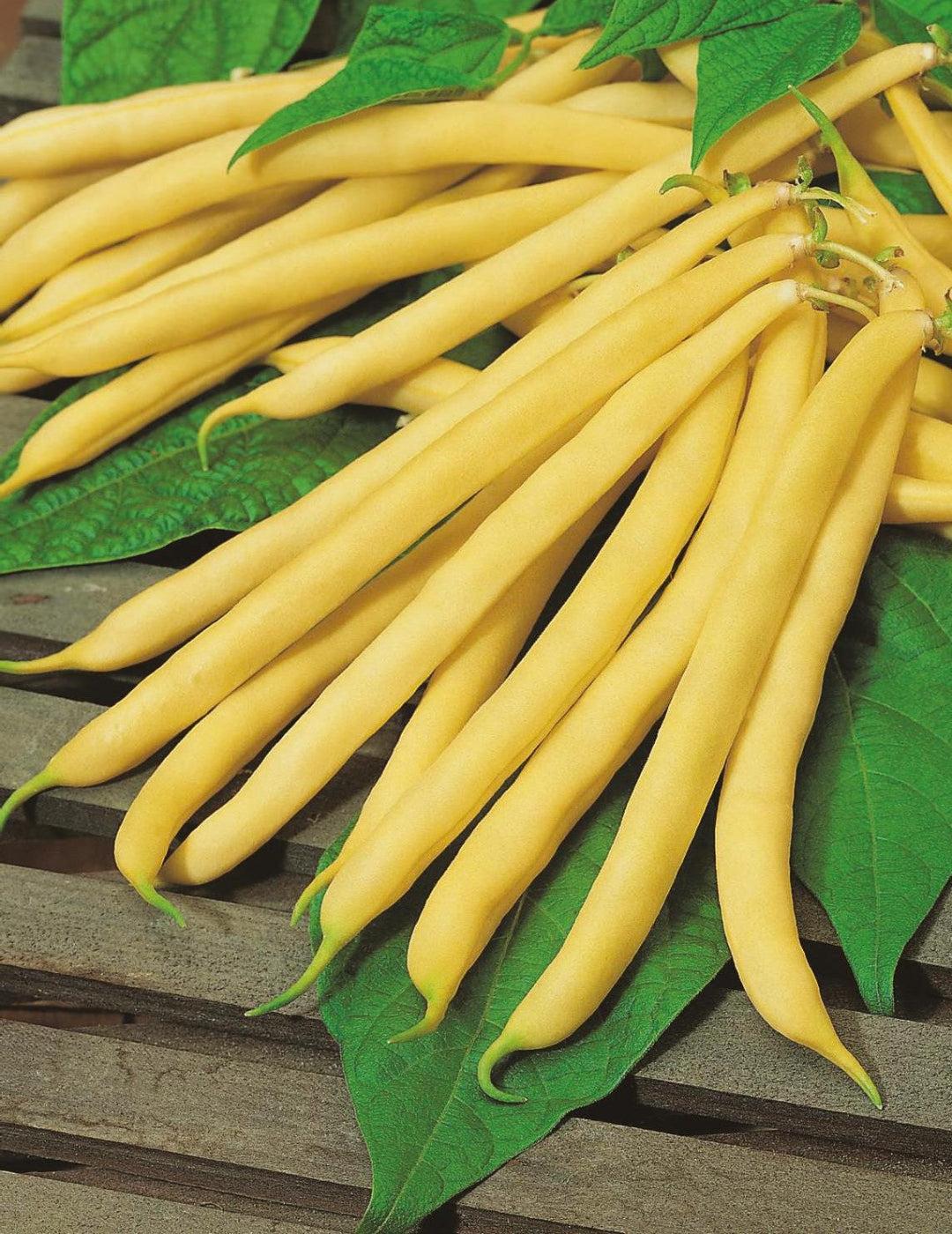
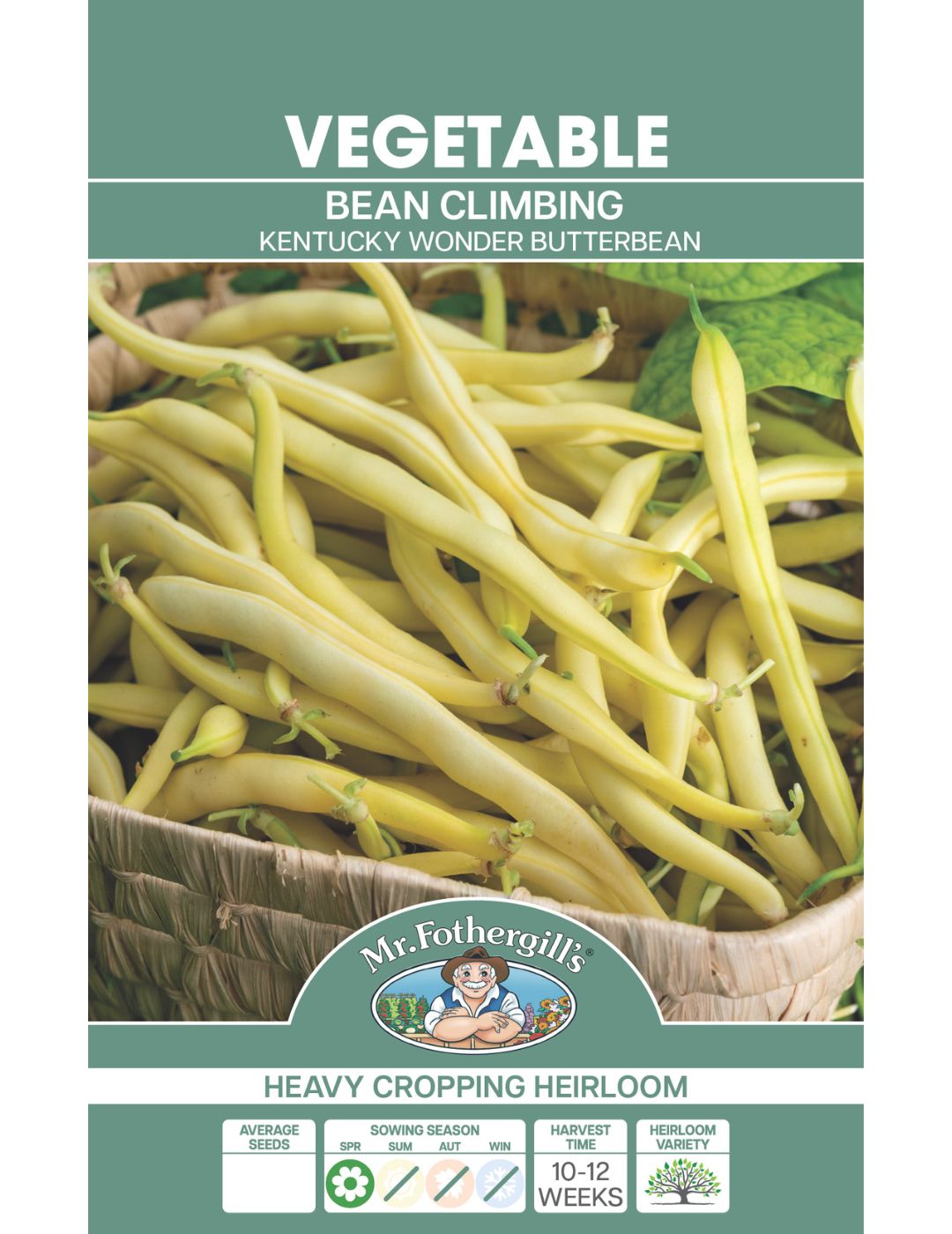
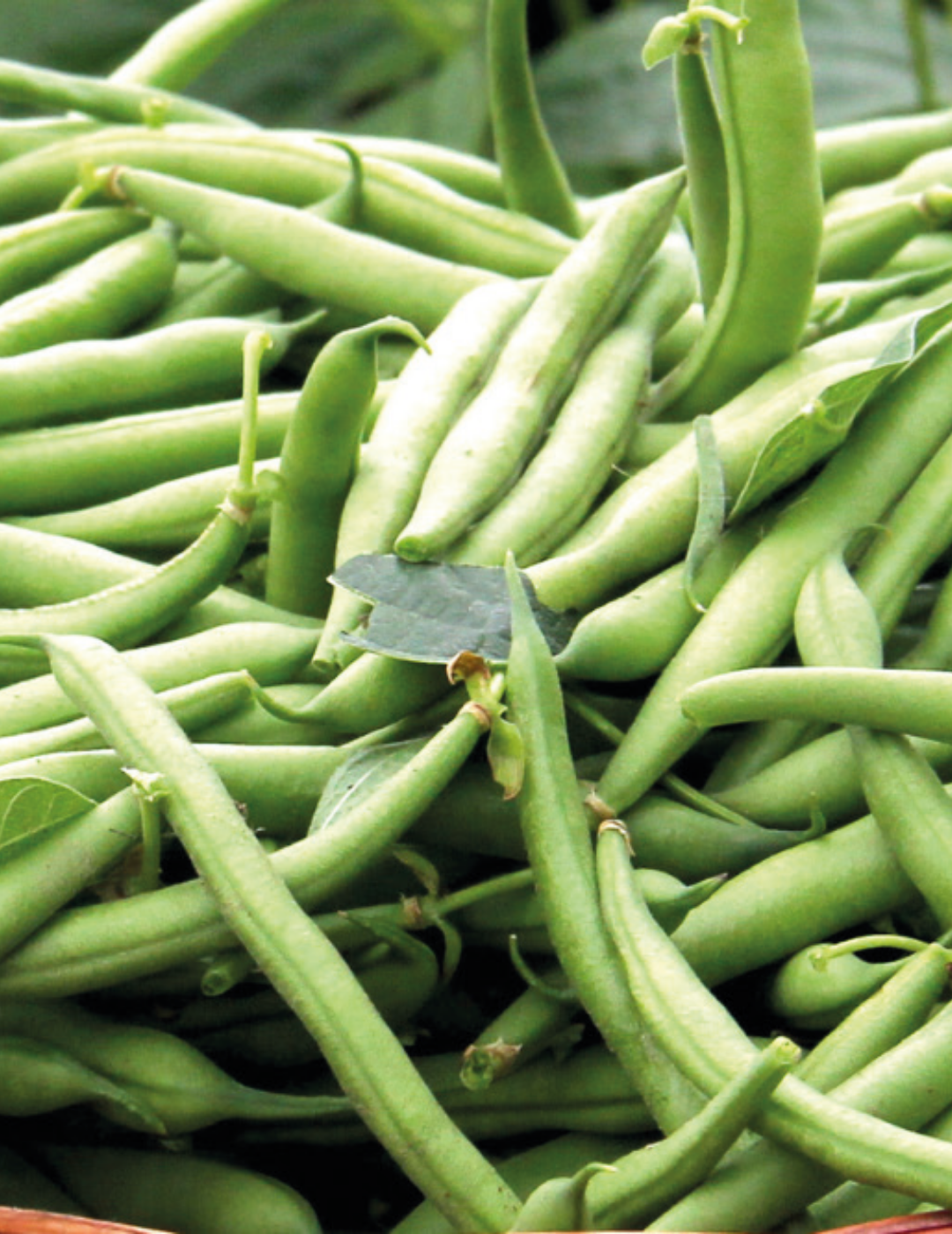
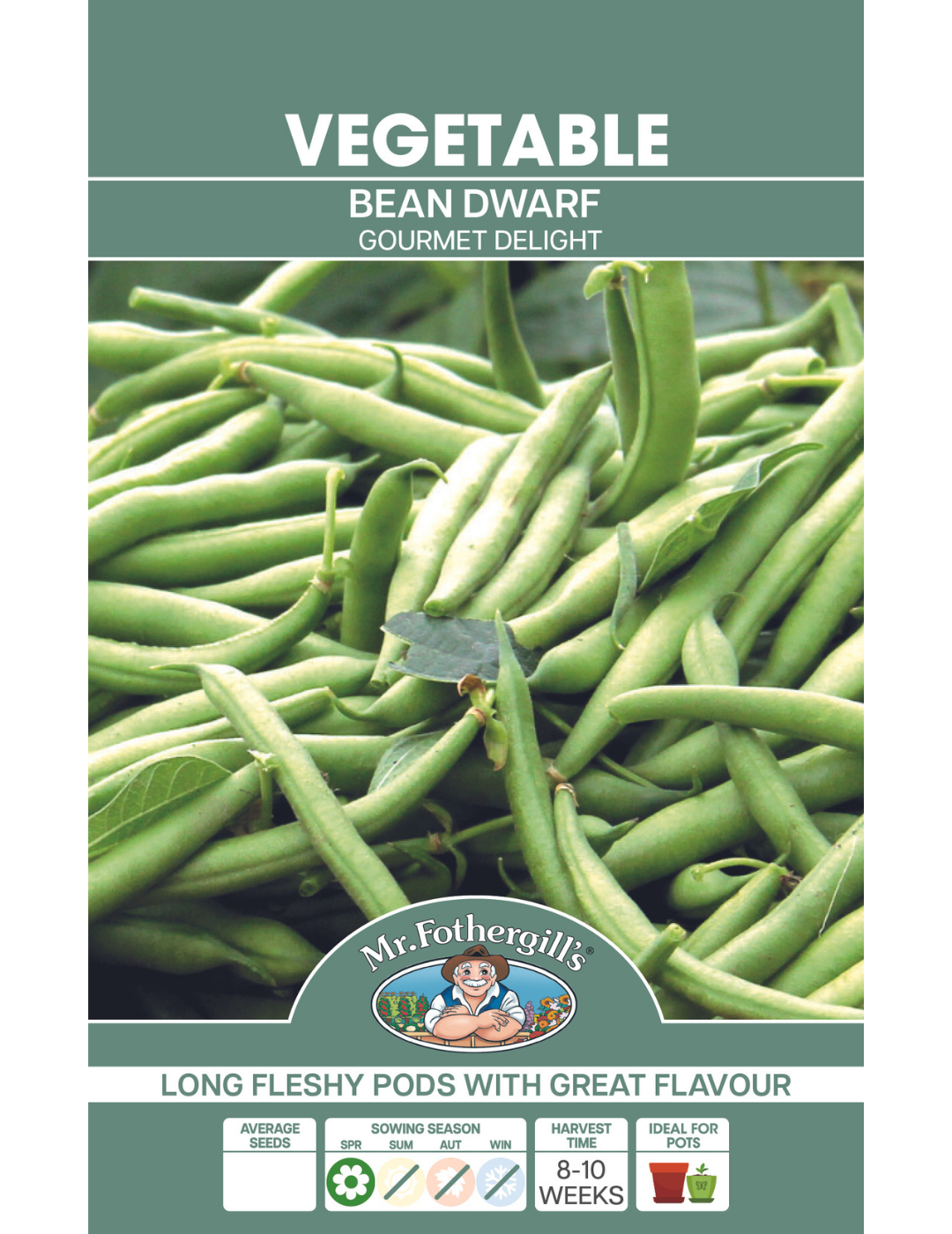
Some plants cannot tolerate transplanting and so must be sown directly to their final growing position. This can be because their root system is delicate or they have long taproots. Even if a variety can be transplanted, it may still perform better if directly sown from seeds. This applies to seeds like peas and beans.
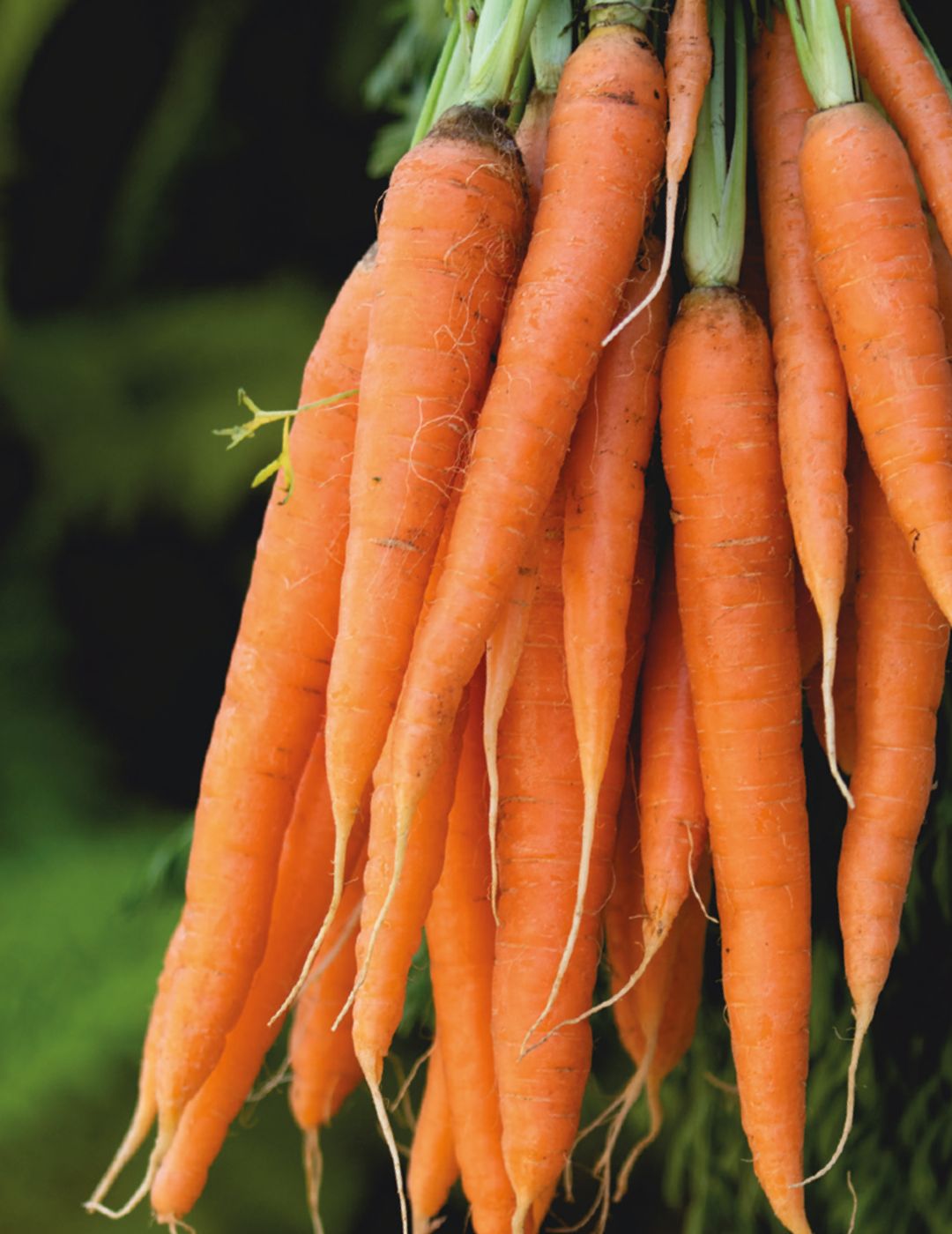
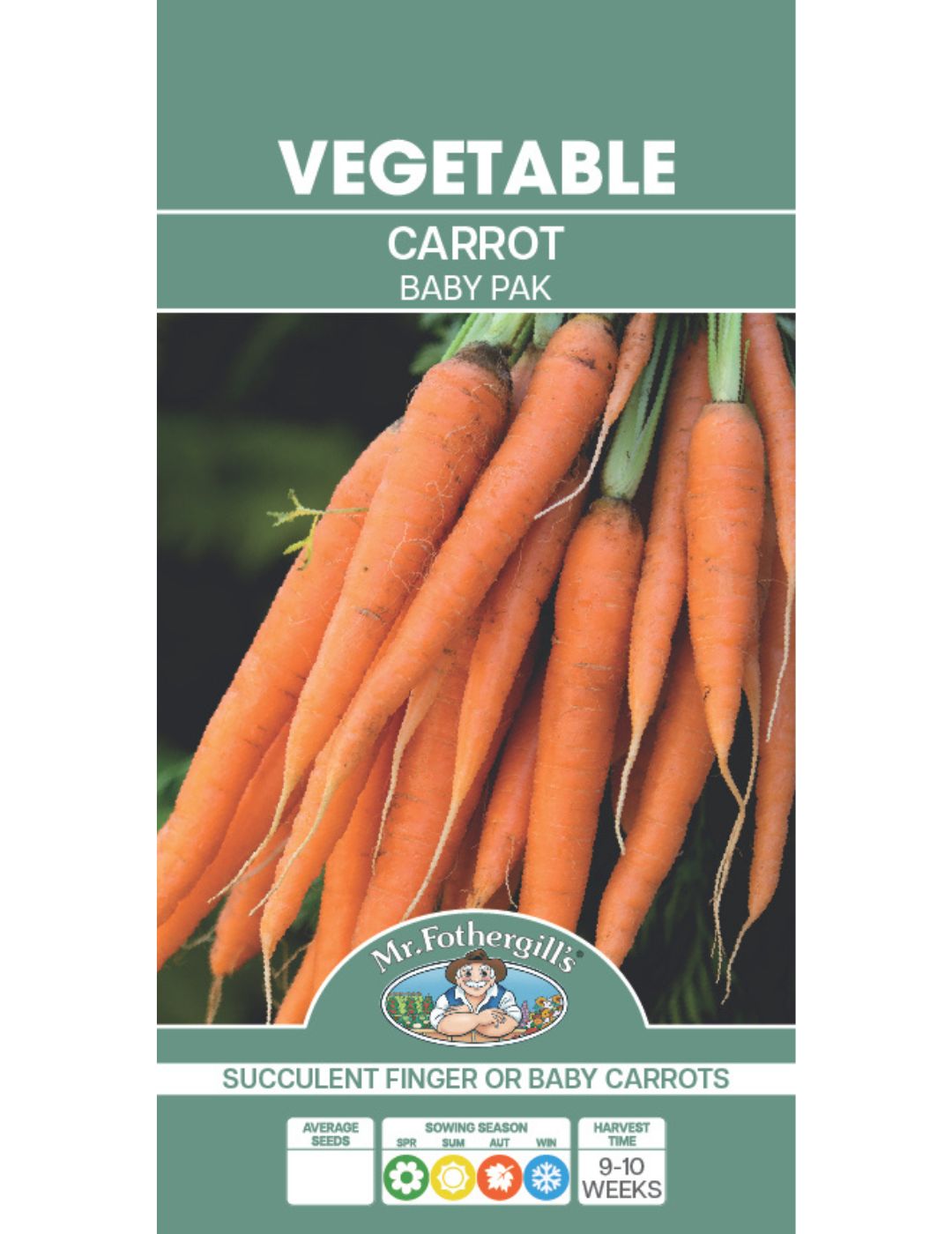
Direct sowing is essential for all plants with long taproots, such as poppies and carrots. If a plant’s roots can’t grow straight down, they will begin circling and deforming. Even if the plant survives transplantation, damage to its taproot is often irreversible.
It’s Fun!
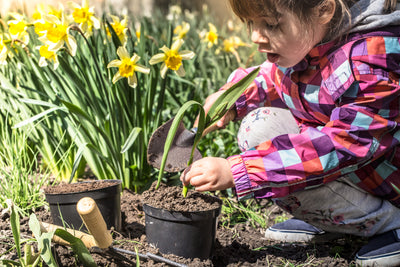
It can’t be overstated how much enjoyment and satisfaction there is in watching a humble seed grow into a magnificent flower or vegetable. By playing the ultimate role in this incredible transformation from the start, you can truly appreciate the colours or flavours of your efforts. Growing from seed is also an excellent educational experience for kids!
 How to Start Growing From Seed
To get started with growing from seed, gardeners can choose from two simple approaches: direct sowing or seed trays.
Direct sowing is a straightforward method of growing from seed, and there are plenty of direct-sowing seeds to choose from. Simply clear your planting area – removing any debris and raking over to create a fine tilth – and sow your seeds as recommended on the packaging. We also recommend using labels to help you keep track of what you have sown where. Ensure you water enough to keep the soil moist but not waterlogged.
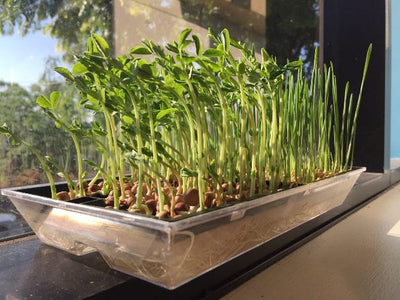
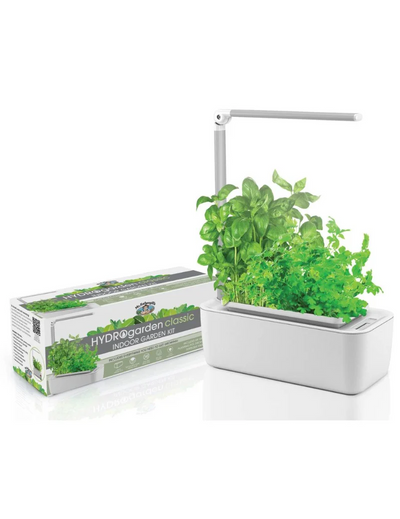
Seed trays rely on much the same principles. Sow between 1 and 3 seeds into each cell’s soil and gently water. These trays are great for growing a variety of produce indoors, including vegetables and herbs.
Seedlings to the Rescue: When to Use Them
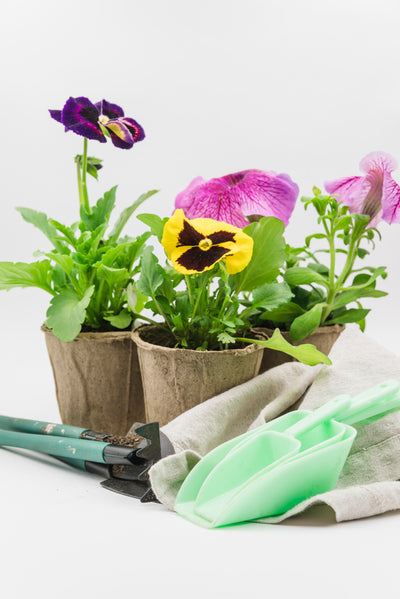
With all this talk about the positives of growing from seed, it may seem like there is no place for seedlings in your garden, but this isn’t the case. Purchasing seedlings or live plants can be an excellent option if you:
- Are late in the season and want to enjoy the benefits of a seasonal flower or vegetable without the need to start from scratch with a seed.
- Need just a single plant and find that purchasing one is more cost-effective than a whole packet of seeds.
 Start Growing From Seed with Mr Fothergill's
Growing from seed is one of the most rewarding and enjoyable experiences a gardener can undertake, and at Mr Fothergill’s, we have the seeds and products to help you make this process as lucrative as possible. If you want to get involved in growing from seed, check out our full direct sowing seeds range, or feel free to contact us with your questions.