










Everyone knows that plants need water to grow and thrive, but many new gardeners don’t consider the types of watering methods and why it can make or break your gardening success, especially when it comes to starting from seeds. Follow along for a simple guide to watering.
Common Mistakes
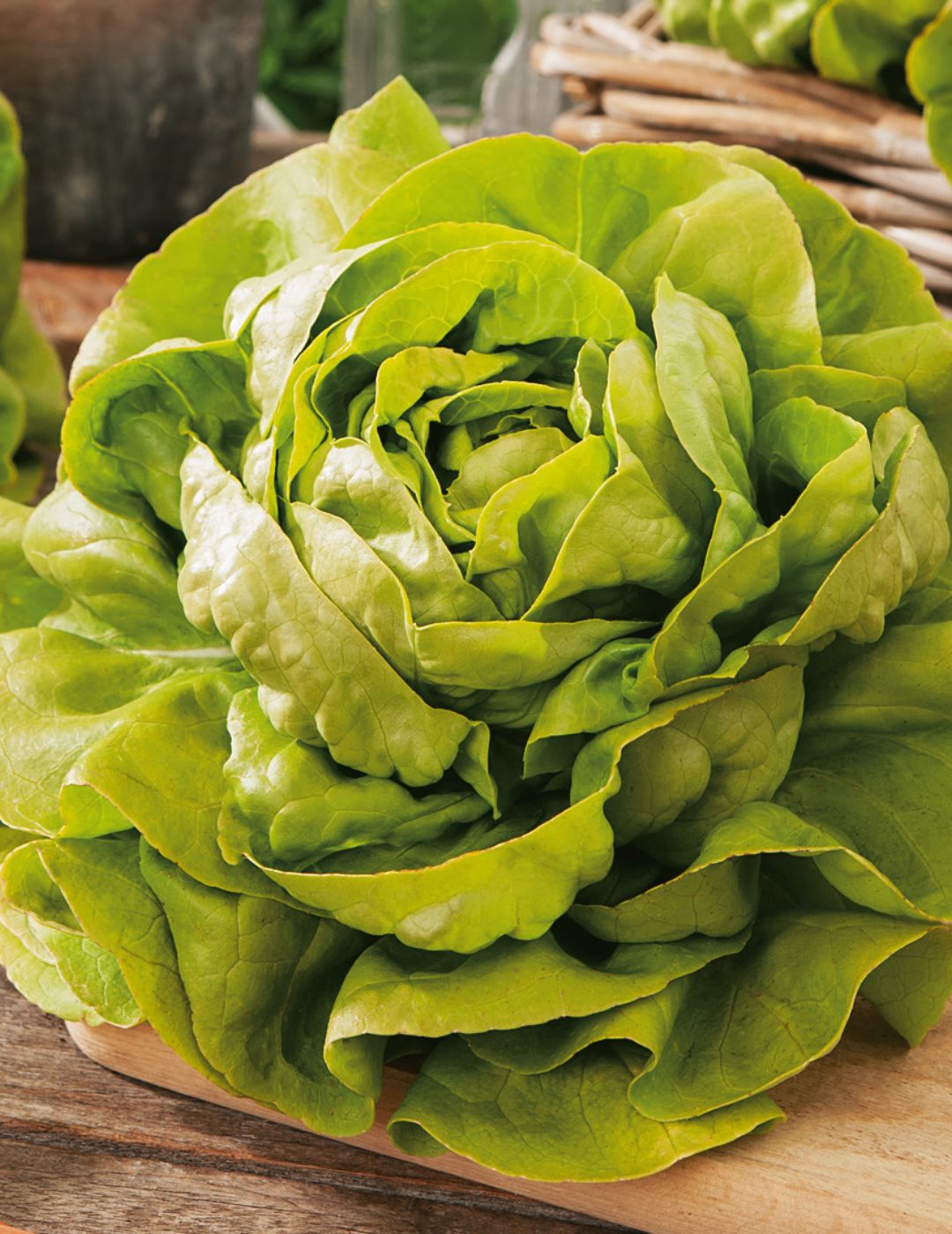
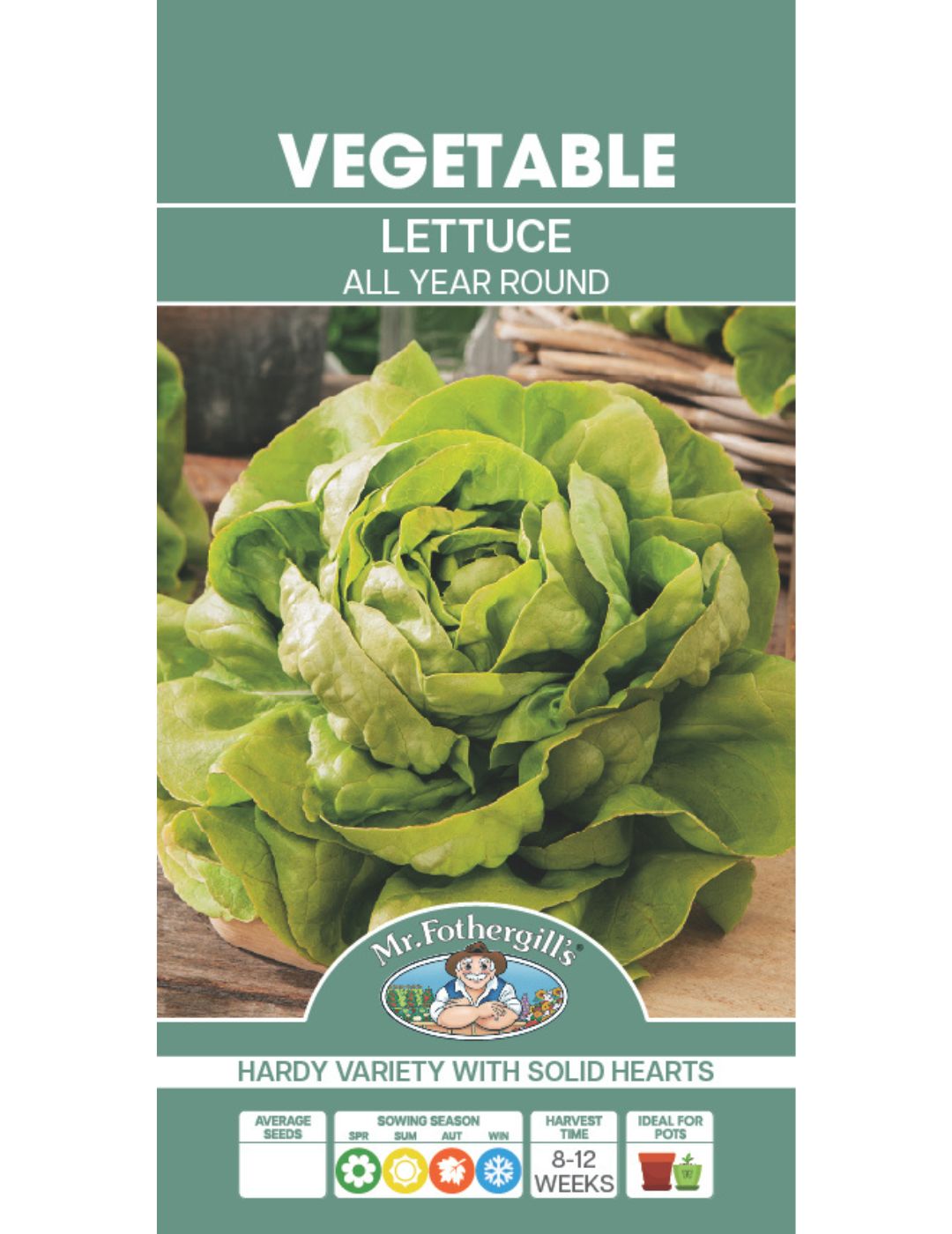
The most common mistake when it comes to watering your seeds is choosing the wrong equipment for the job. For example, using a garden hose on your lettuce seeds is the equivalent of using a firehose to extinguish a match. The jet of water that a garden hose creates is way too strong for many seeds and will dislodge and wash them away. Here are some ideas below on selecting the appropriate method:
Watering Can – If using a watering can be sure to use one with a rose head attached. Watering cans with just the spout and no rose will produce a gush of water that will create holes in the soil and splash the seeds away. Technique is important here too, as when the can empties the end of the water stream can drip and produce large droplets that will wash away small seeds. Hold the can further away from the garden bed or tray and move left to right covering all the area evenly. The trick is to move away from the pots and beds before the can empties and creates that heavy droplet stream.
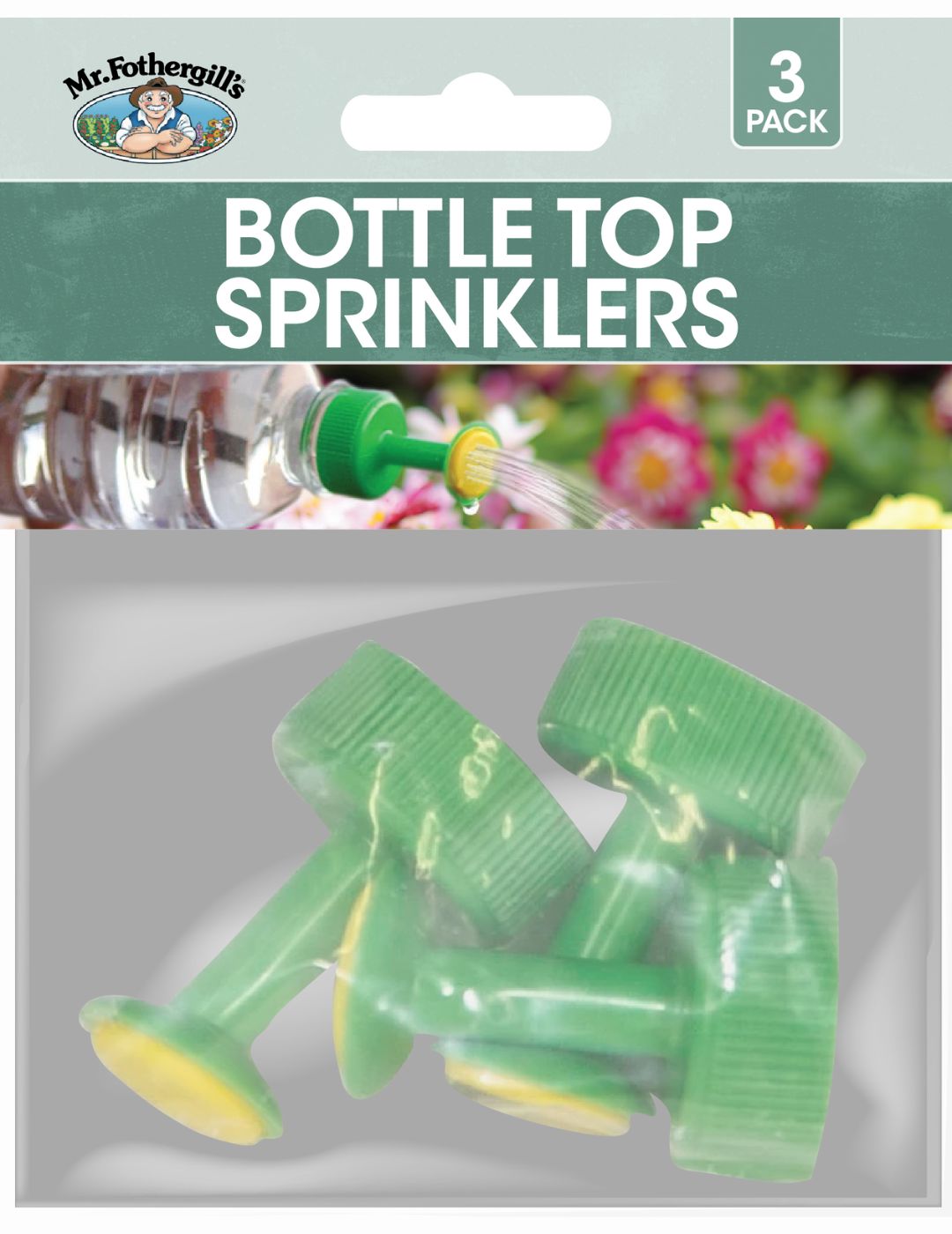
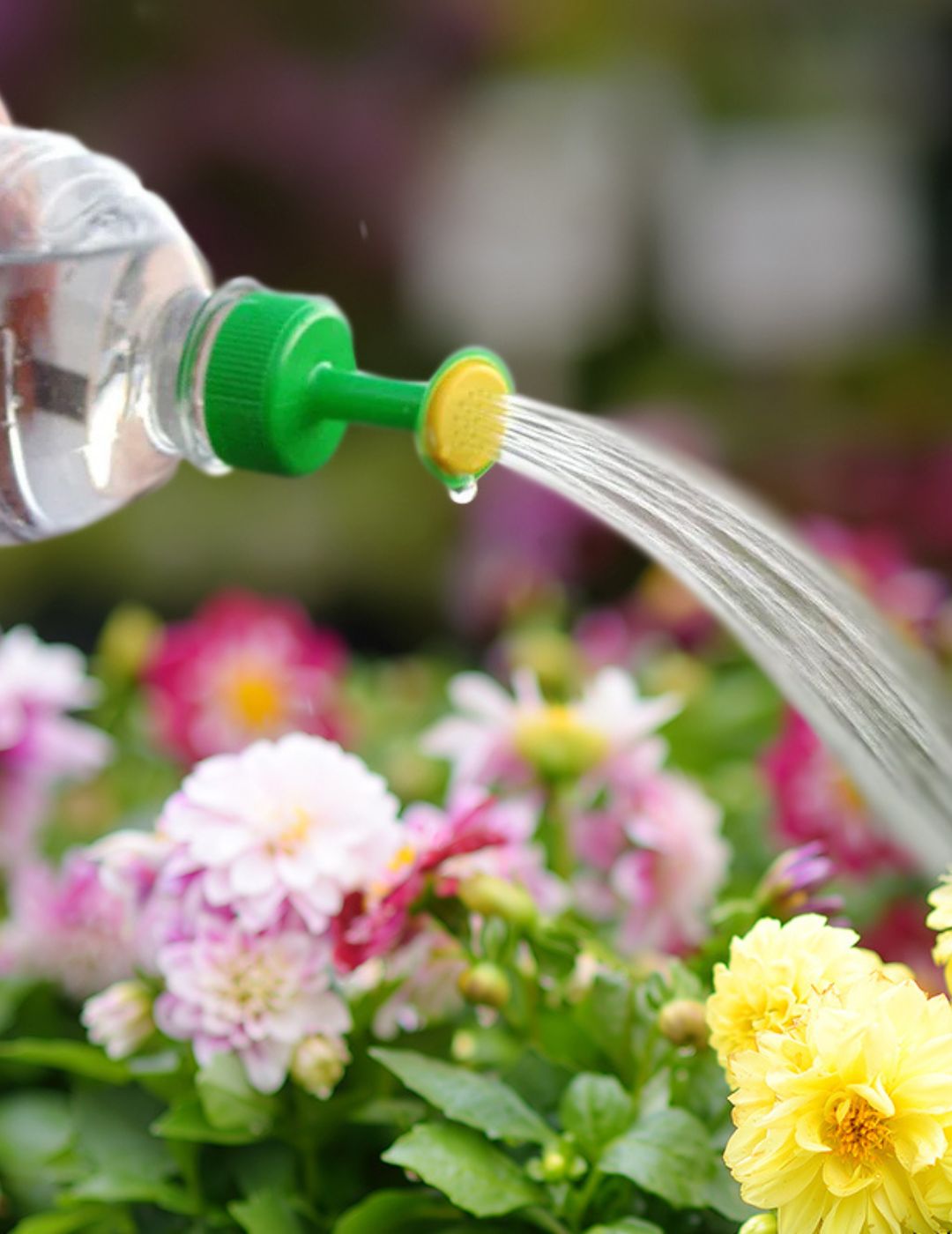
Bottle Top Sprinklers – For indoors, instead of a watering can, try bottle top sprinklers on your pots and trays, as a watering can will get water everywhere. These provide a gentle shower of water over your pots. They are also super lightweight, attaching to small plastic bottles so you have good control.
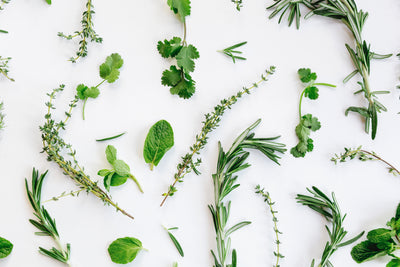
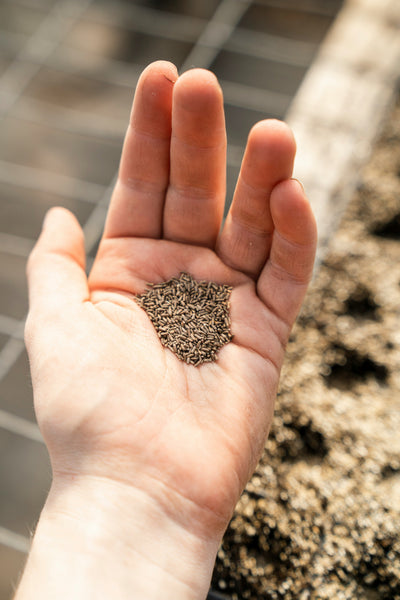
Spray Bottle – These are great for tiny seeds such as mint, oregano, parsley, strawberries and thyme. Be sure to test the spray bottle before you water your pots to make sure it is on the mist setting rather than a strong jet. Use this to gently water the surface of your shallow sown small seeds without dislodging them.
Hose With Nozzle– Use this for outdoor sowing and ensure a quality nozzle is attached. Trigger gun nozzles are great as they come with easy to select settings for different uses. Generally, ‘’shower’’ or ‘’mist’’ settings are best for watering in seeds – anything that produces fine even droplets rather than heavier jets of water.

Now that you have selected a watering method what else should you keep in mind? Lets take a look below:
Underwatering
This is pretty self explanatory, underwatering your seeds will equate to poor germination rates. The signs of underwatering include:
- Soil looks dry, light in colour, cracked or pulls away from the edges of the pot.
- Soil becomes hydrophobic, where water runs across the surface and doesn’t soak in.
- Seedlings appear wilted, stunted or shrivelled.

Overwatering
On the contrary, you can have too much of a good thing. Overwatering can cause seeds to rot in the soil and fail to sprout. Here are the signs to look out for:
- Soil stays soggy, is pooling in areas or has a strange smell.
- Mold or algae forming on the soil surface.
- Damping off. Seedlings will become limp and rot in the pots. This is a fungal issue that goes hand in hand with overly damp and cool conditions.
Now that we known some signs to look out for lets dig into the appropriate amount of water for successful germination. Your garden bed or pots should look like the following:
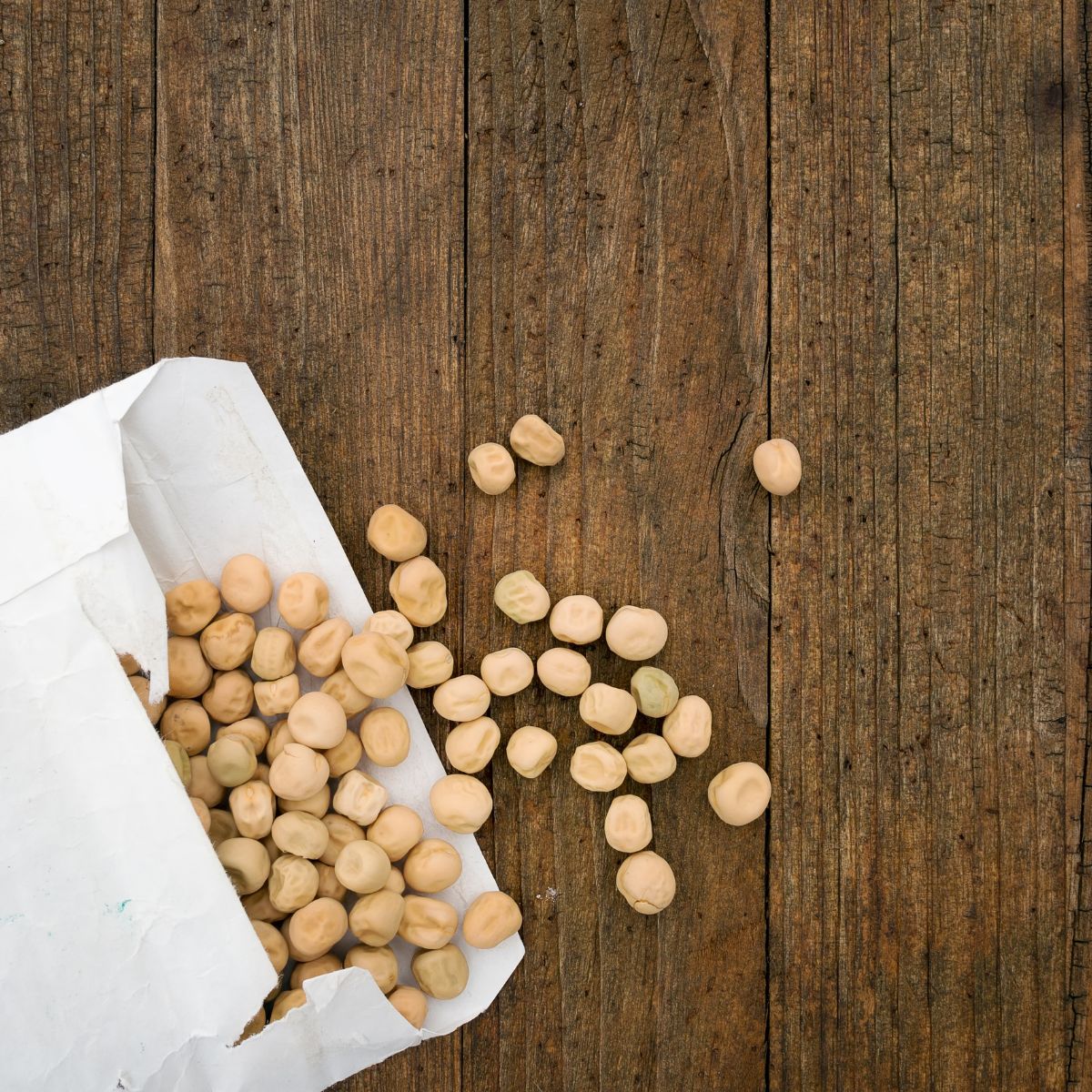
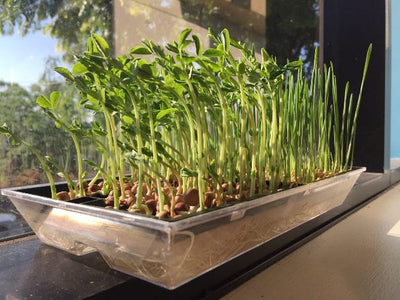
- Soil feels moist to the touch but not wet. You want the very surface to stay damp like this for small surface sown seeds. Larger and more robust seeds such as peas and beans won’t need as much moisture and only need the moisture further down in the soil – so dig down a centimetre or two to check moisture levels for your deeper sown seeds.
- Soil is an even medium brown colour across the ground or pot. Pots and trays can dry out unevenly, particularly around the edges so ensure they have a uniform colour across the surface.
- No standing water or crust on soil surface. This is a sign that it is neither too wet or too dry.
- Seeds germinate within their approximate germination window and show steady, healthy growth without yellowing or drooping.
Goldilocks Watering
Much like goldilocks you should treat your seeds the same, not too much or too little but just the right amount of water. Things like season, soil type, aspect and climate will all affect evaporation rates and whether you need to water or not.
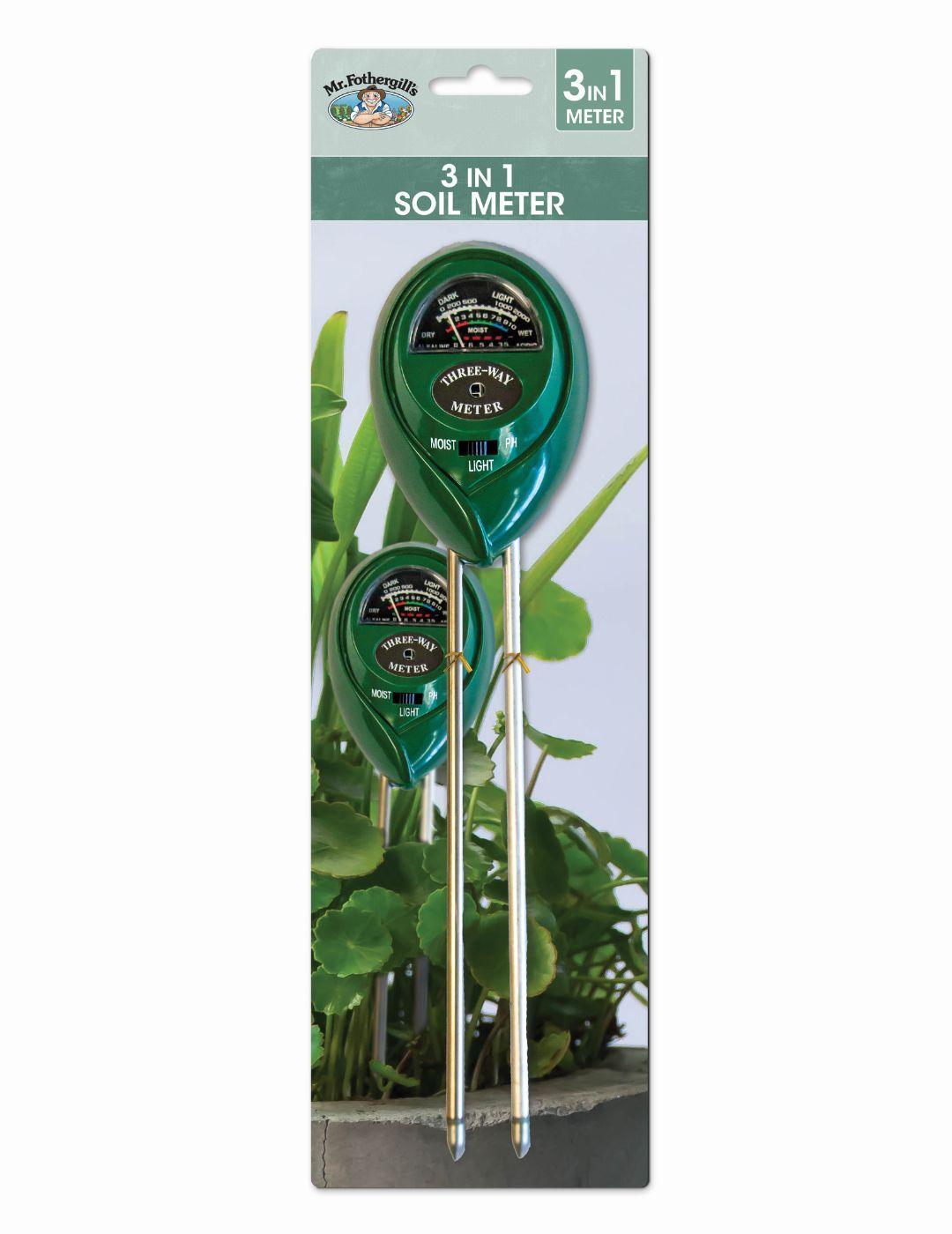
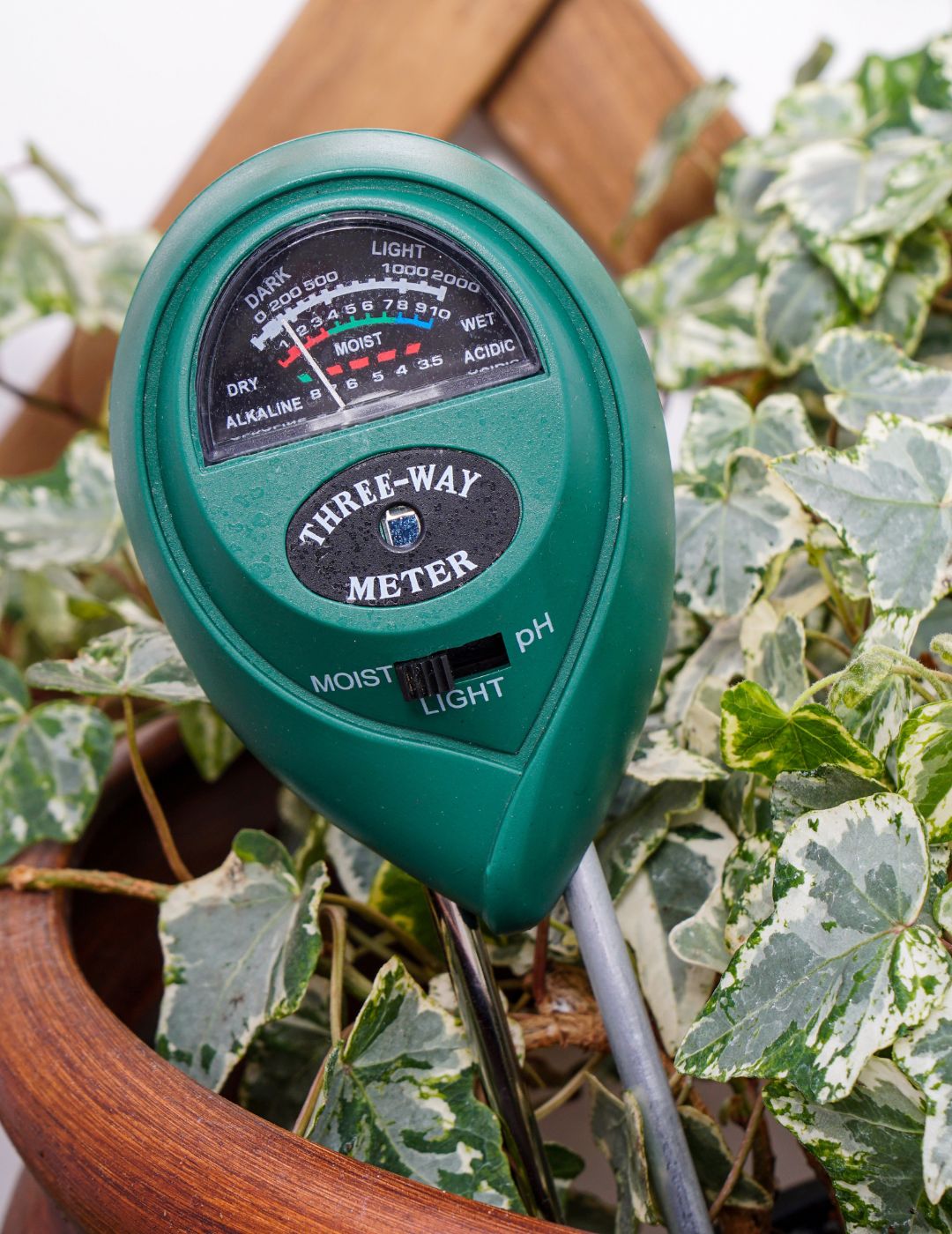
It can be particularly helpful to invest in a soil meter, as this will help you learn when your soil is too moist or too dry. Fothergill's 3 in 1 Soil Meter not only tests for moisture but will also give you a guide on light levels and soil pH, perfect for keeping your pot plants happy!
The very best tip of all is to check your garden beds and pots each day, it only takes a couple minutes to scan over the areas and adjust your watering as needed. Soon enough you will become a watering wizard of your own garden and start reaping the benefits!