










Transplanting seedlings into the garden sounds straightforward when you think about it, however many new gardeners find that their newly transplanted seedlings quickly perish or die, why is that? Let’s dig into some of the reasons why your seedlings may suffer when you plant them into the garden and learn some tips and tricks to getting the healthiest start to those plants.
Incorrect Plant Choice
Many new gardeners fall into the trap of trying to transplant the wrong types of plants into the garden from pots. And who could blame them when you can buy seedlings for these varieties at garden centres.
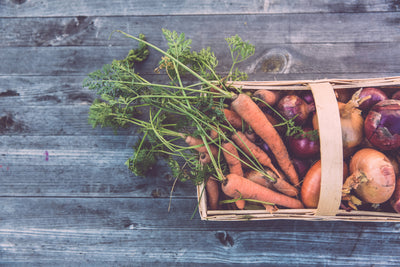
The following varieties listed are best sown direct from seed into garden beds. These plants all have one thing in common, they are root crops and by transplanting them as seedlings you inadvertently damage the developing roots which leads to splitting, forked or malformed roots. Not to mention it also stunts their growth considerably. So be sure to always sow these direct where they are to grow:
- Carrots
- Radishes
- Turnips
- Parsnips
Transplant Shock
By far transplant shock is one of the most common reasons for your new plants to die when you place them into the garden. Transplant shock can be caused by several things including:
- Damaging the roots upon transplanting.
- Planting during hot, sunny conditions.
- Lack of water.
- Too much nitrogen applied in seedling stage.
- Planting out warm season crops before the risk of frost has passed.

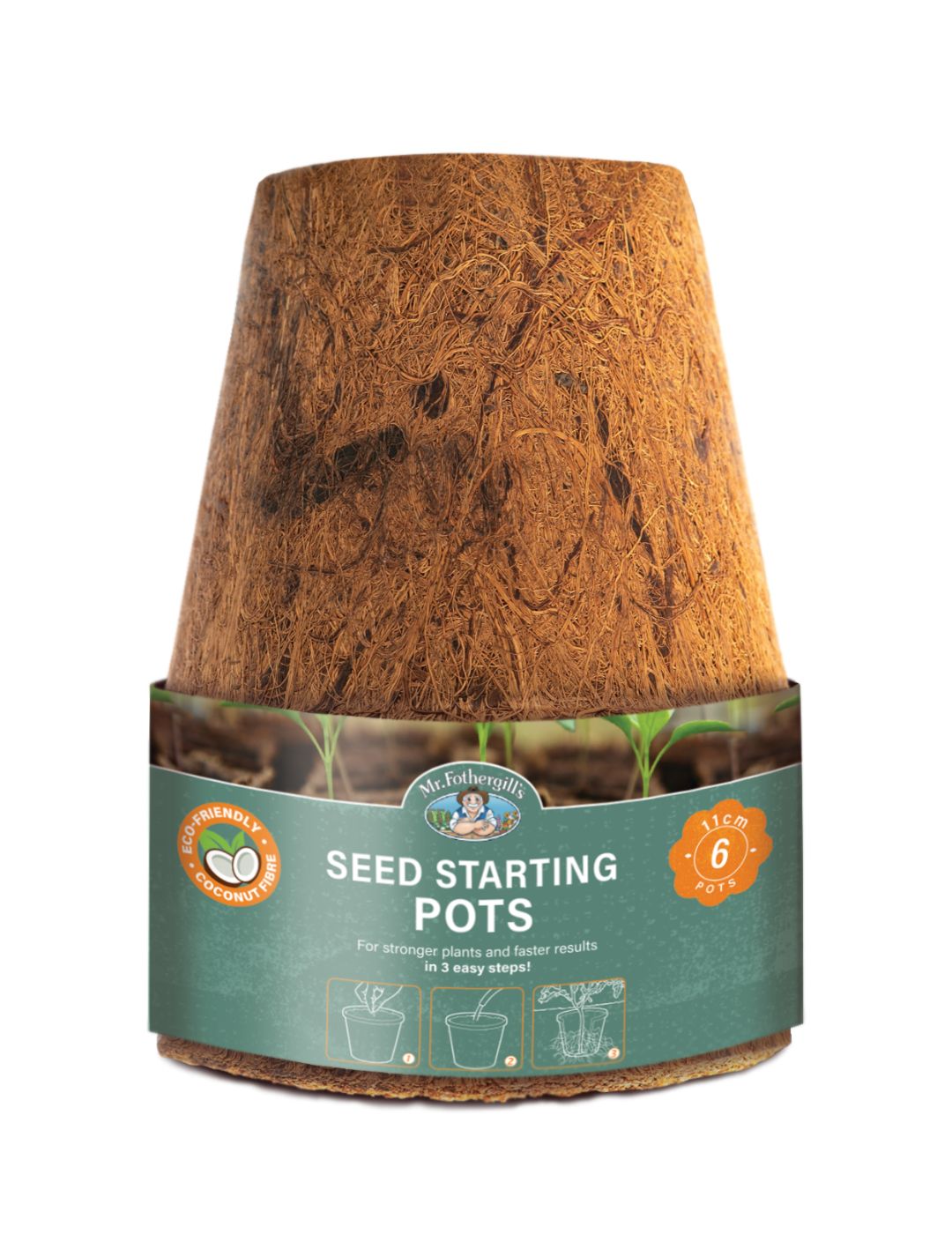
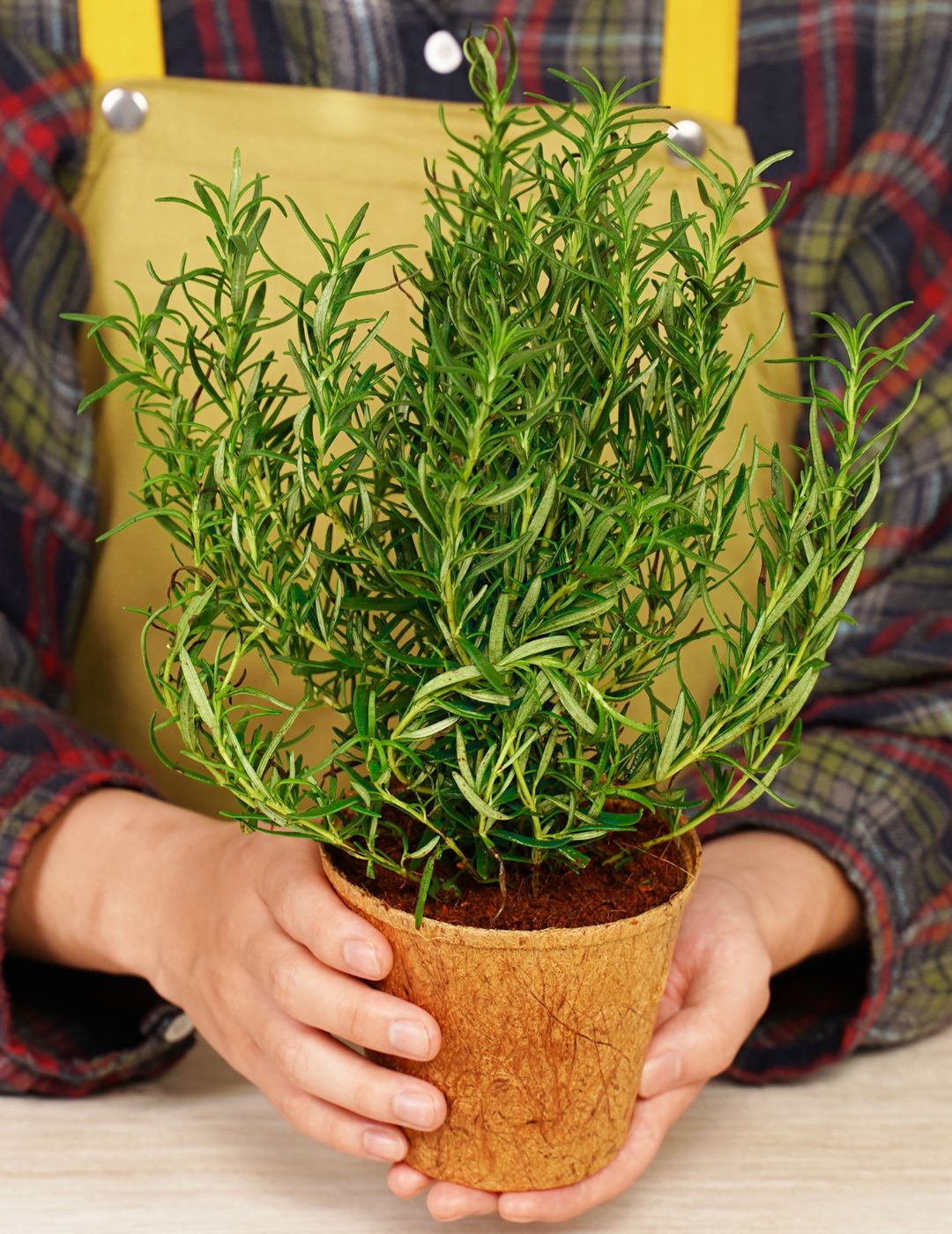
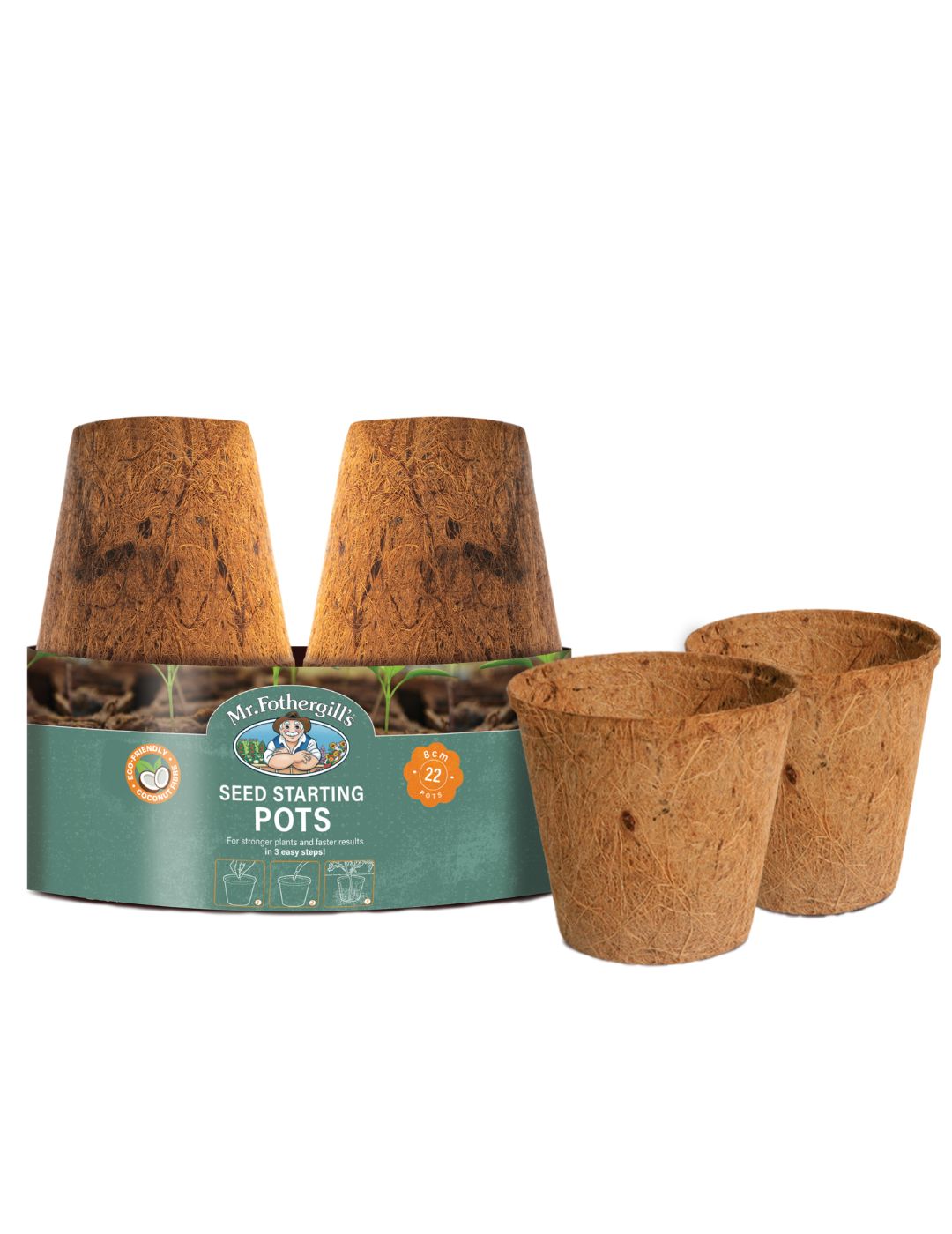
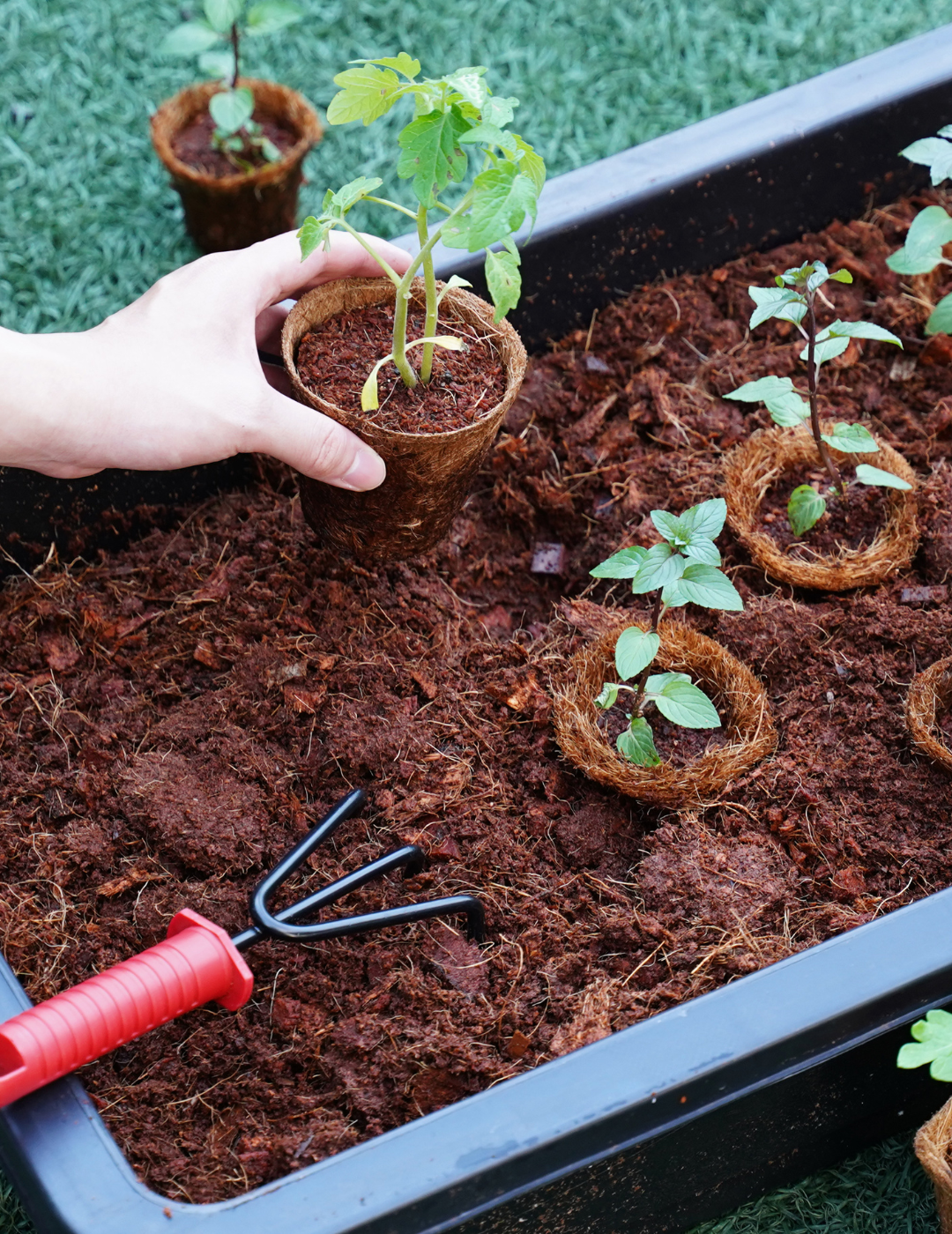
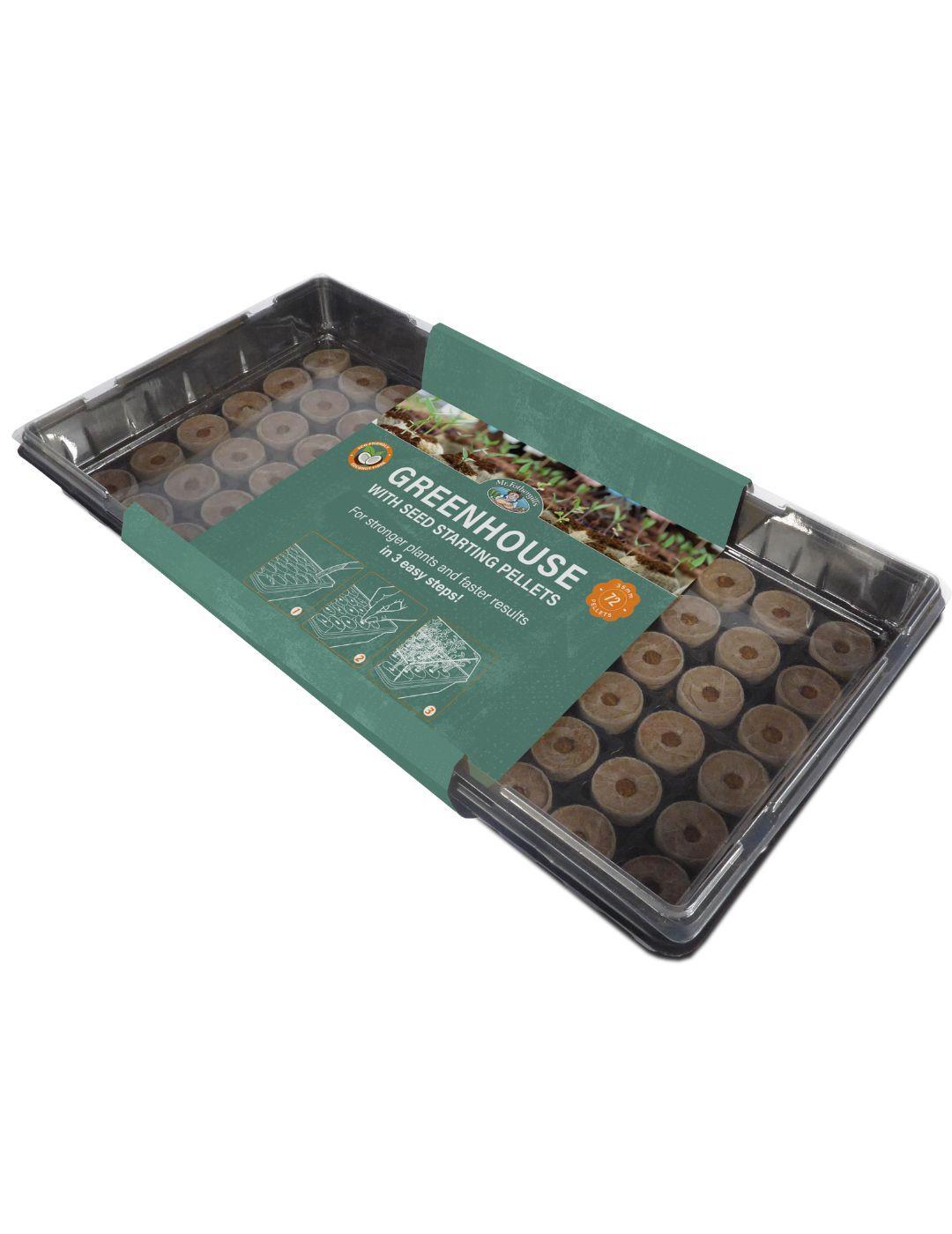
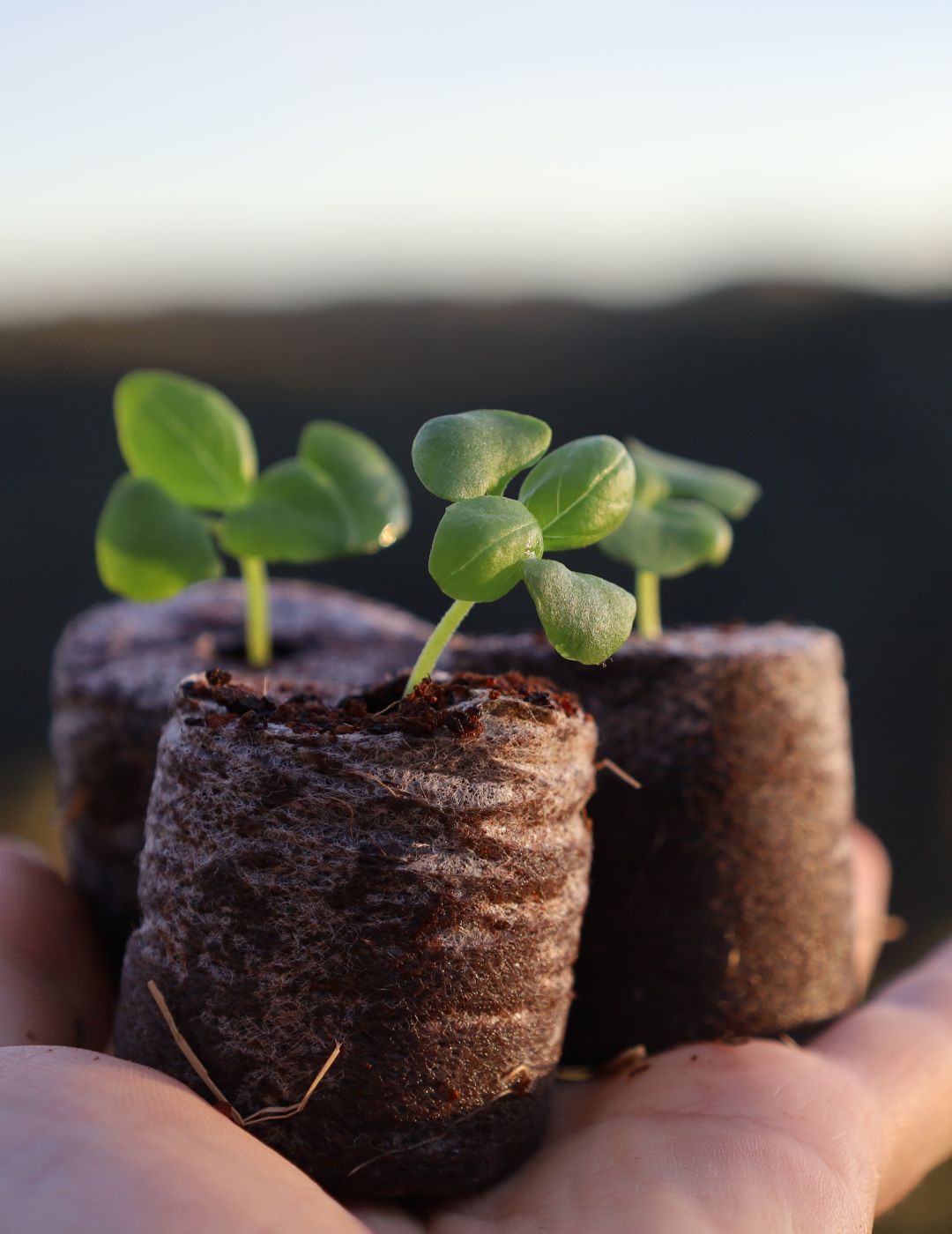
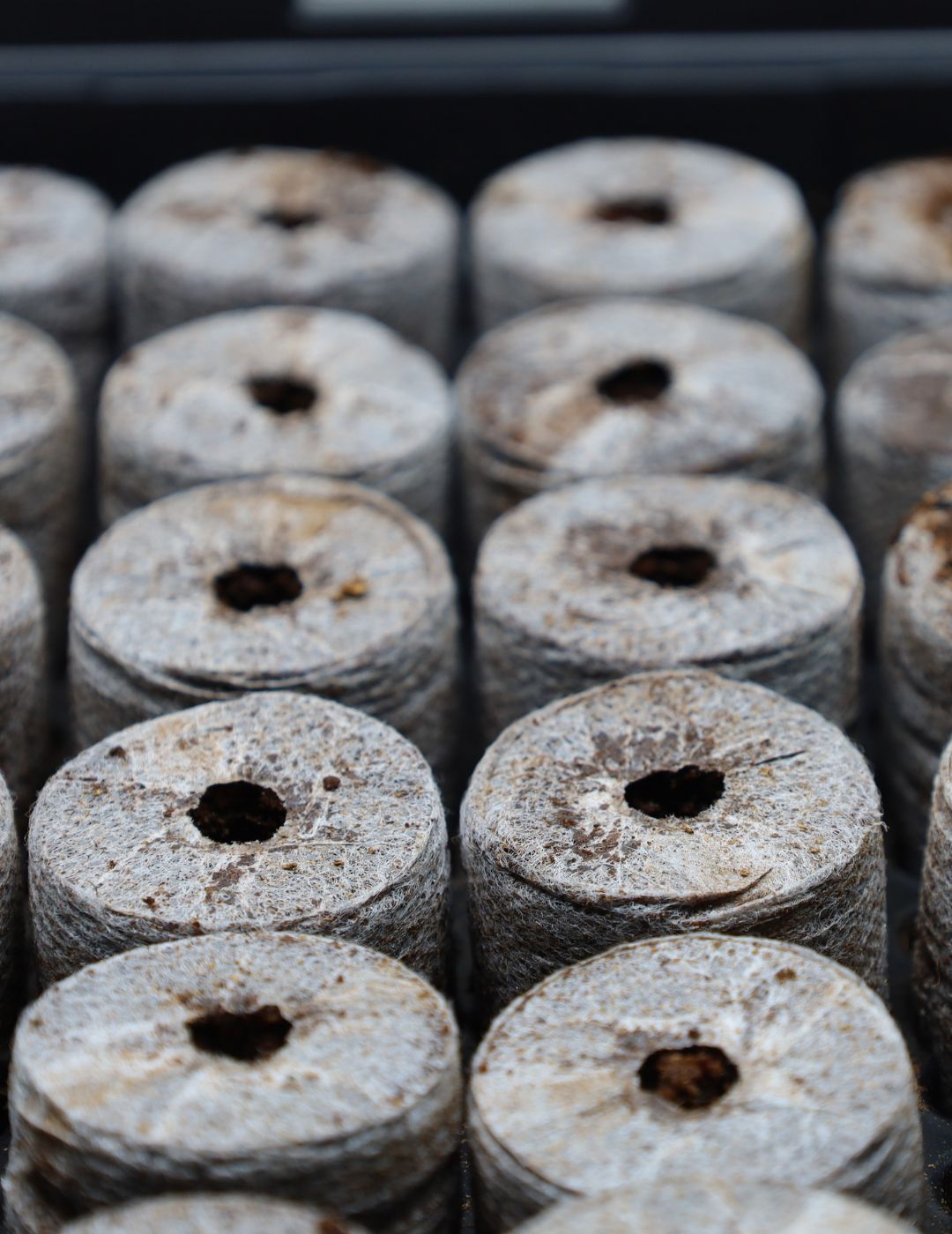
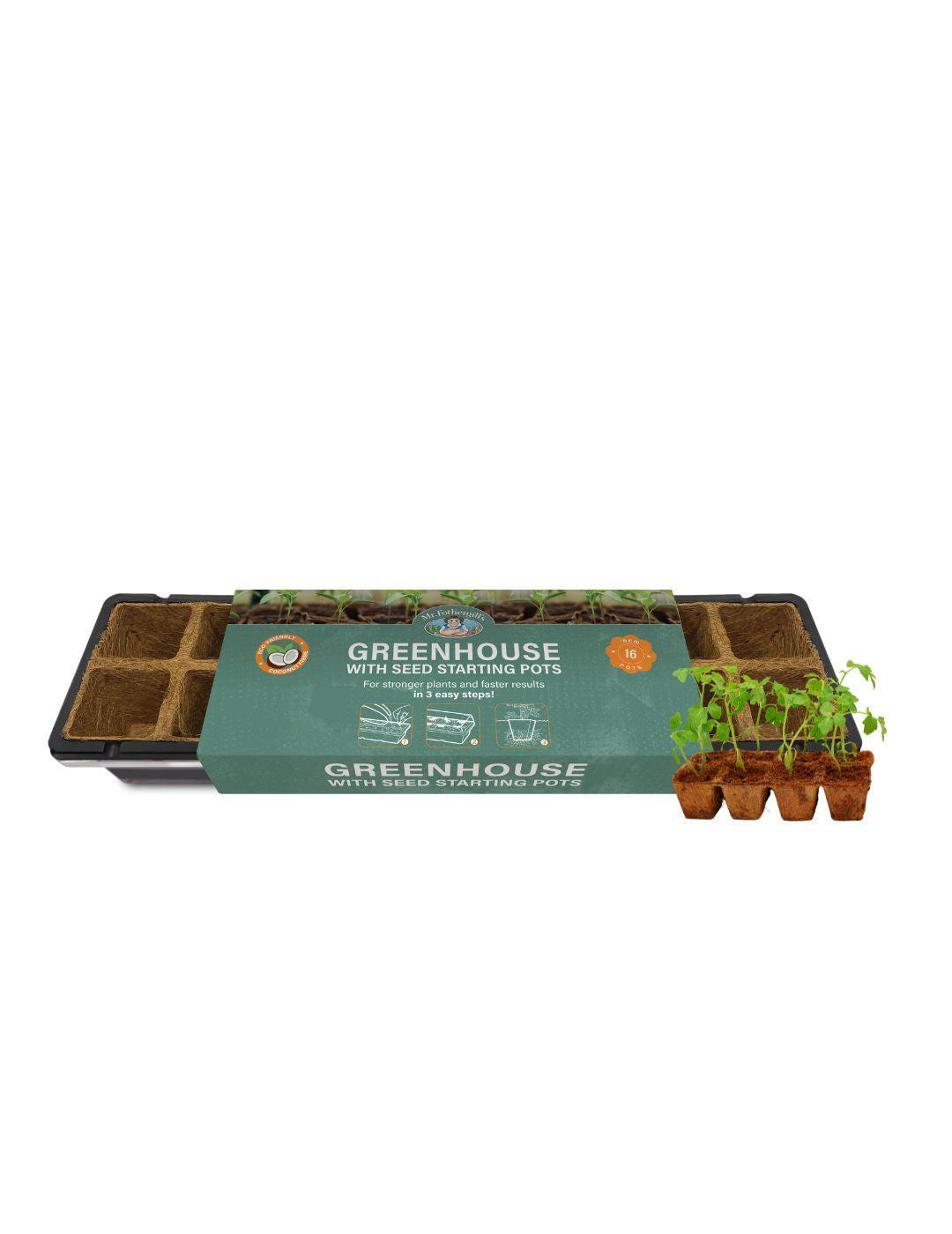
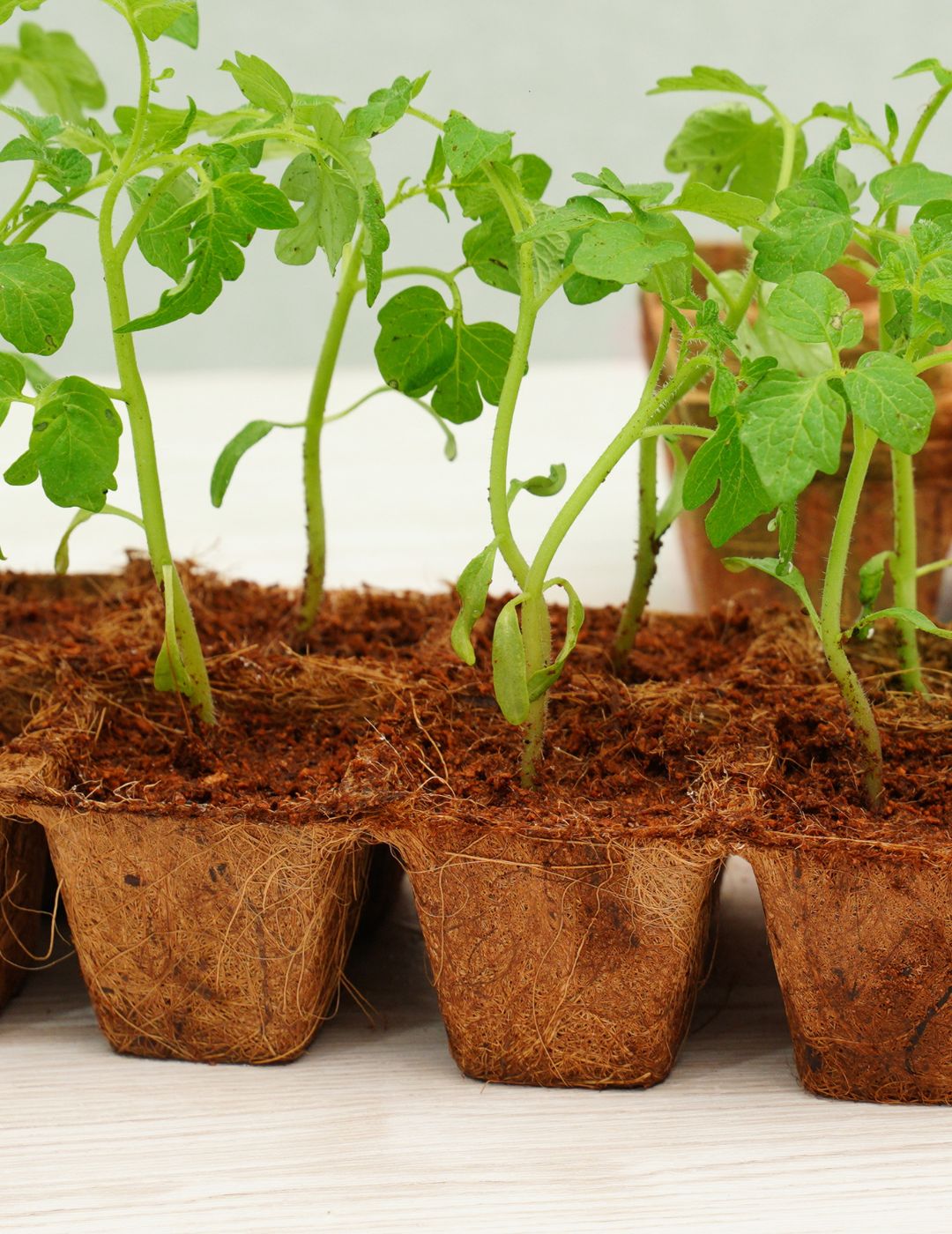
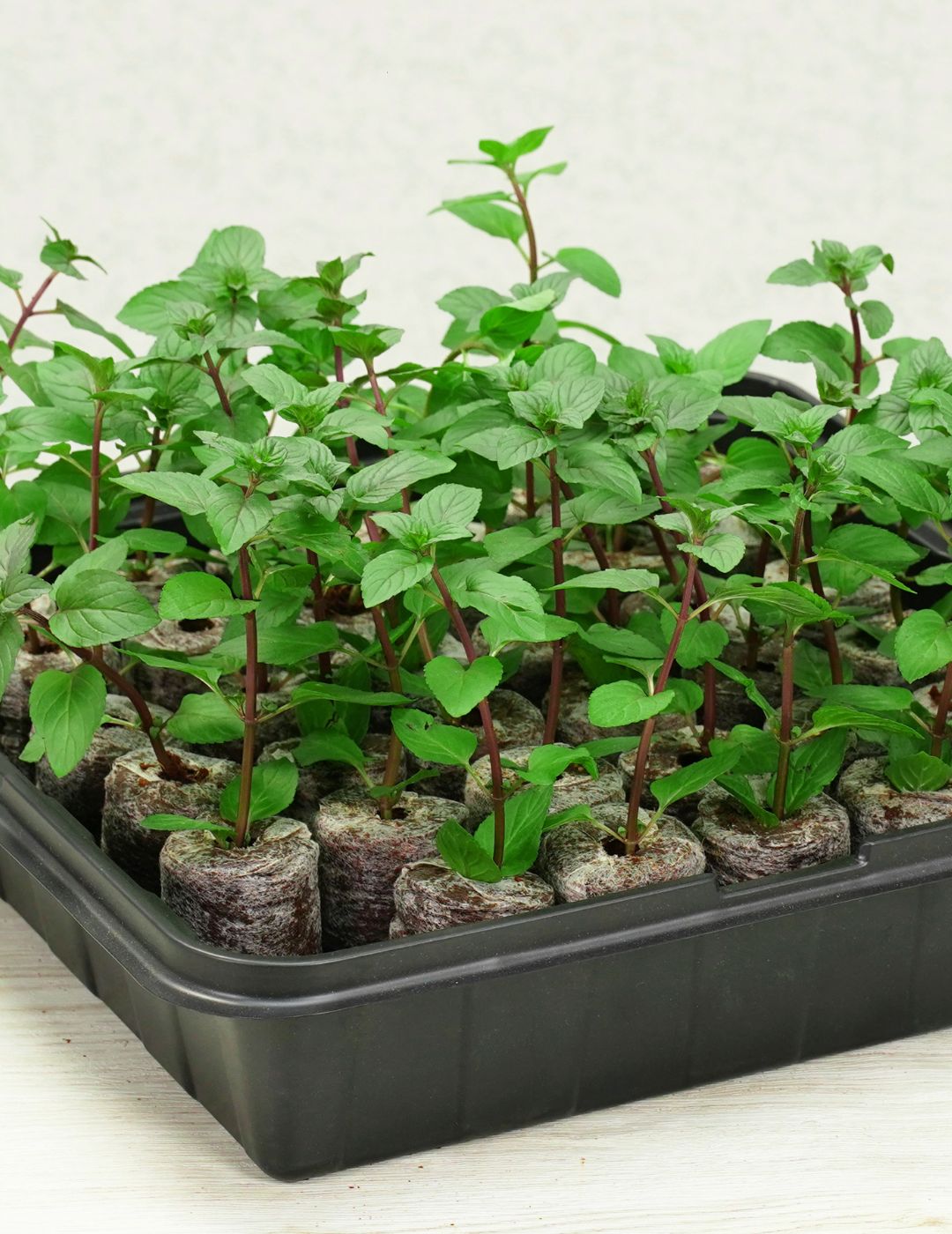
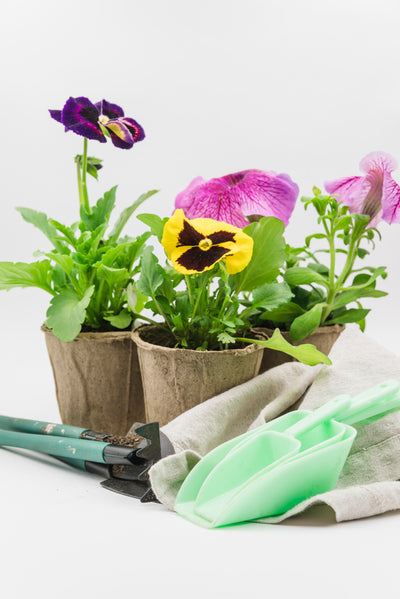
How can we combat some of these issues? One of the most common methods is called hardening off and we will explain this later. Another thing you can do is start your seeds out in biodegradable pots and pellets, this eliminates the risk of damaging your plants delicate roots as you can plant pot and all into the garden.
Another tip is to avoid heavy nitrogen feeds in the leadup to transplanting. Aim to use an all purpose fertiliser on your seedlings that is balanced, containing not only nitrogen, phosphorous and potassium but also trace elements. Some fertilisers such as ammonium nitrate are loved for their fast results producing massive amounts of lush leafy growth however this comes at a cost. This can produce seedlings that are very susceptible to transplant shock as excessive leafy growth will lose moisture very quickly once it is removed from its cozy environment and planted into the garden. Not to mention your plants will be healthier and stronger if you provide a balance of nutrients.
Hardening Off
This is one of the best ways to get your plants ready for the garden, but what is it? Much like when you buy a pet fish and gradually acclimatise it to their new tank you need to do the same for seedlings. This is because when you have seedlings in pots they are often kept more moist, humid and out of full direct sun and wind so they need a chance to acclimate to these conditions before they planted out in the open to prevent transplant shock.
Try the following to harden off your seedlings before planting:
1. Place seedlings outdoors in a sheltered, shady spot for 2–3 hours a day, gradually increasing their time outside over a week.
2. Each day, give them more sunlight and longer exposure to wind and temperature changes.
3. After 7–14 days of gradual adjustment, plant them in their final spot once they can handle full sun and outdoor conditions.
Top Tip: When hardening off your plants be sure to check them often as they will require more water than usual once they are placed outdoors. You can even try using a seaweed solution when watering to help them adjust during this time.
Planting Depth
The depth at which you plant your seedlings can play a role in their success. Generally, aim to have the base of the stem at the same level in the ground to what they were in the pot. Essentially burying the roots and keeping the same amount of stem exposed. The same goes for mulch too, avoid piling mulch up directly on the stems of your plants. By keeping a space for the stem to breathe you will help to avoid fungal conditions like collar rot.
Of course there are always exceptions to this rule. Tomatoes for example are excellent at producing additional roots from their stems when buried deeper in the ground. Some gardeners pinch off the lower leaves on their tomato seedlings and plant the stem one to two thirds deep in the soil. This encourages a deeper stronger root system on the tomato plant and helps anchor the plant, preventing it from flopping over in the wind until it is trellised.

Etiolated Seedlings
You may have not heard of this word before, but you have likely seen it occurring to seedlings. Simply speaking, etiolation is caused by a lack of light leading to pale, weak and leggy growth. This is common when starting seedlings indoors as they stretch and reach towards the light from a window.
Etiolated seedlings will have a harder time adapting to outside once planted as the long leggy growth is not only fragile and can be damaged by wind but they are also prone to drying up in the sun. To prevent this be sure to rotate your pots often for even growth and ensure you have a sunny enough spot to raise your seedlings. You may also need to allow more time for hardening off.

Pests & Animals
Lastly, we are talking about pests and animals as these sneaky critters can be the culprit for your missing transplants. Be vigilant and keep an eye on the following:
- Snails and slugs will leave their telltale trails behind and can quickly decimate your seedlings in a single night. If you have a lot of snails in your garden place out a beer trap or protect your seedlings with cloches or fine mesh they can’t get into until they grow large enough to withstand attack.
- Birds can sometimes be the culprit pinching your new transplants right out of the ground! Some birds like to dig up and disturb the soil or mulch looking for bugs burying your plants in the process. Try placing a series of bamboo stakes around your new plants to deter them.
- Cutworms are the ultimate assassin to new seedlings, although these sound like worms they are actually the larvae of a few different moth species that hide in the ground during the day. During the night the cutworms emerge and chop the seedling right off at ground level, leaving the stem on the ground for you to discover in the morning. If you find any seedlings chopped off like this have a dig around the base of the seedling to see if you can locate the sneaky critter!
- Catepillars from the offspring of cabbage moth butterflies are another common problem particularly in warmer climates where they breed all year round. These critters love brassicas and will quickly munch down on any kale, broccoli, cabbage and Asian green seedlings. Be sure to use fine mesh netting above your crops to prevent the butterflies from laying their eggs. If you notice any caterpillars pick them off by hand or try out an organic selective pesticide.
- Cats and dogs are sometimes to blame as both can dig in the ground and bury your plants. Stray cats are known to mark their territory in gardens and scatter mulch and soil all over your plants suffocating them. Try out bamboo stakes or mesh around your plants to deter them or look into other options if you have a serious problem such as motion activated sprinklers.

Thus concludes our top guide to transplanting. Once you nail down these tips it will become a breeze and your plants will thank you!