






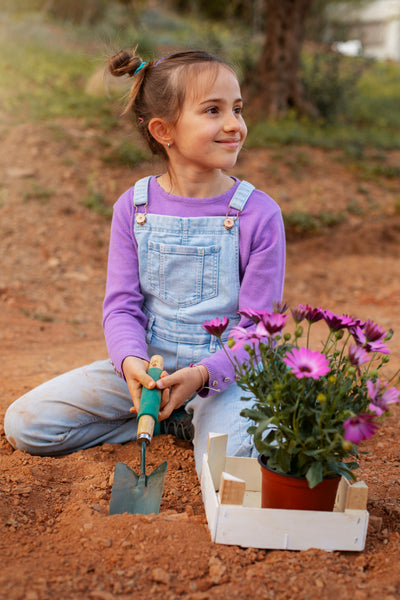

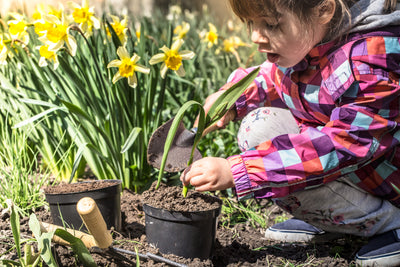


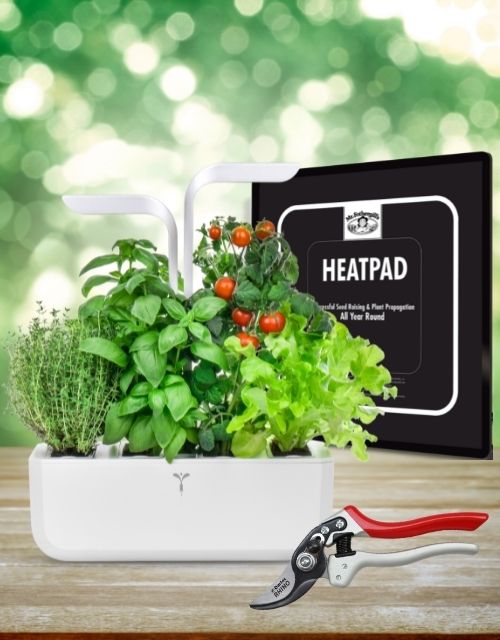

Growing your own food is a great way to reduce plastic waste in the household and lessen your impact on the planet. Harvesting straight from your patio or backyard eliminates transport emissions and the plastic packaging that is used on produce. Why stop at reducing supermarket plastic when there are many ways you can eliminate waste in the home garden? Follow along for some tips!
Refuse
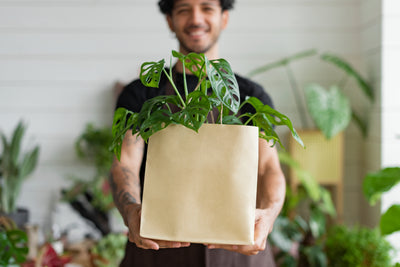
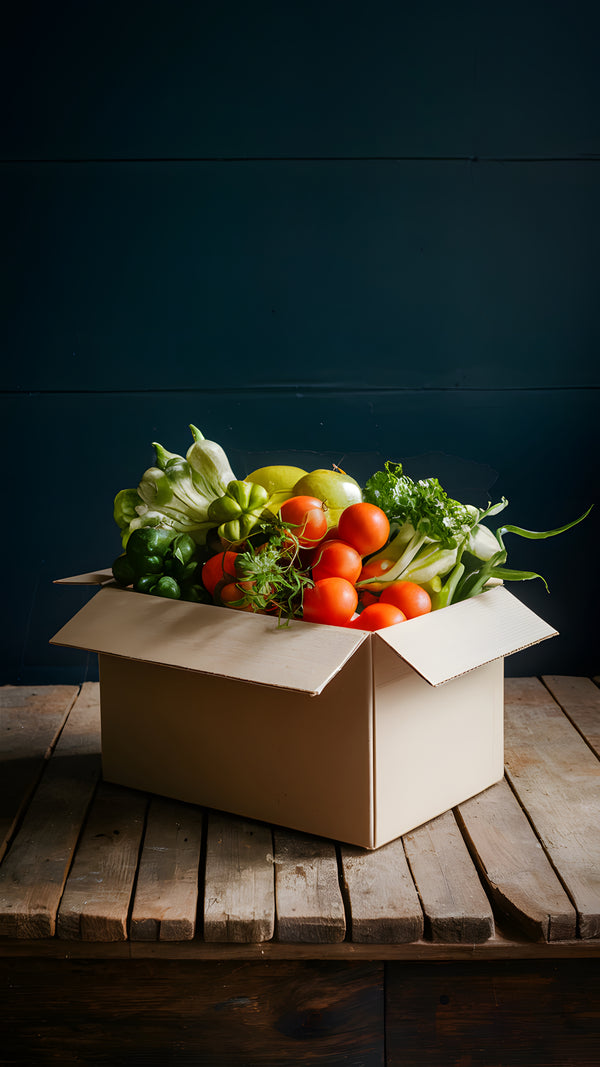
Refuse plastic bags when purchasing your garden items in-store. Fortunately, many garden centres and hardware stores provide repurposed cardboard boxes for you to take your goodies home in.
Reduce
- Buy in bulk where you can. If you have the space at home buy your mulch, compost, manure and soil by the truckload from your local soil supply to avoid those pesky prepacked bags. This will also work out to be cheaper in the long run. Try splitting a delivery with your neighbor to share the costs or even see if your local community garden can house a pile for members to use.
- Sign up to online newsletters rather than ordering garden catalogues to your home as these are often wrapped in plastic.
- Check if your favorite gardening magazines allow online subscriptions or ask if their magazines are printed on recyclable paper. Some magazine covers may have a plastic coating.
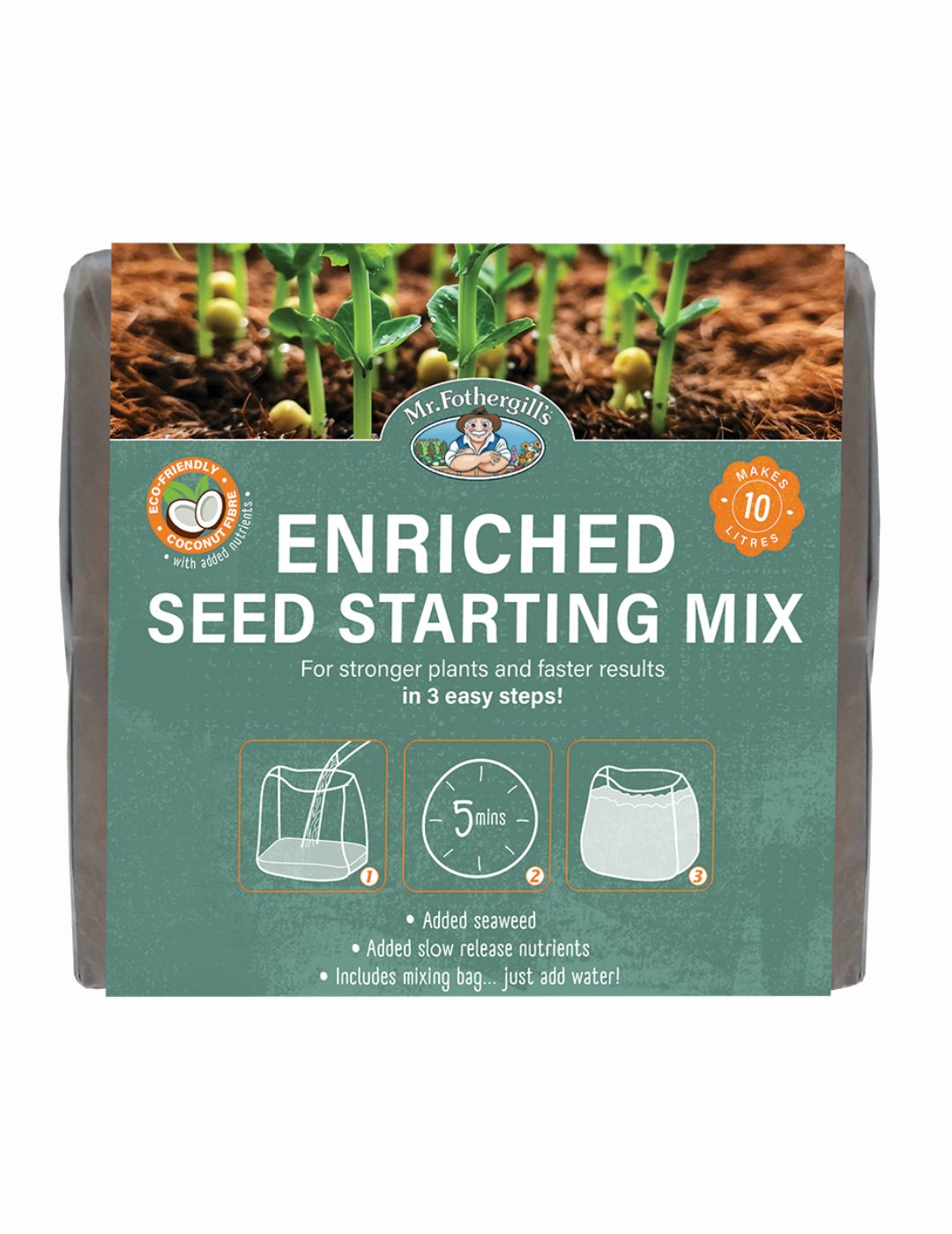
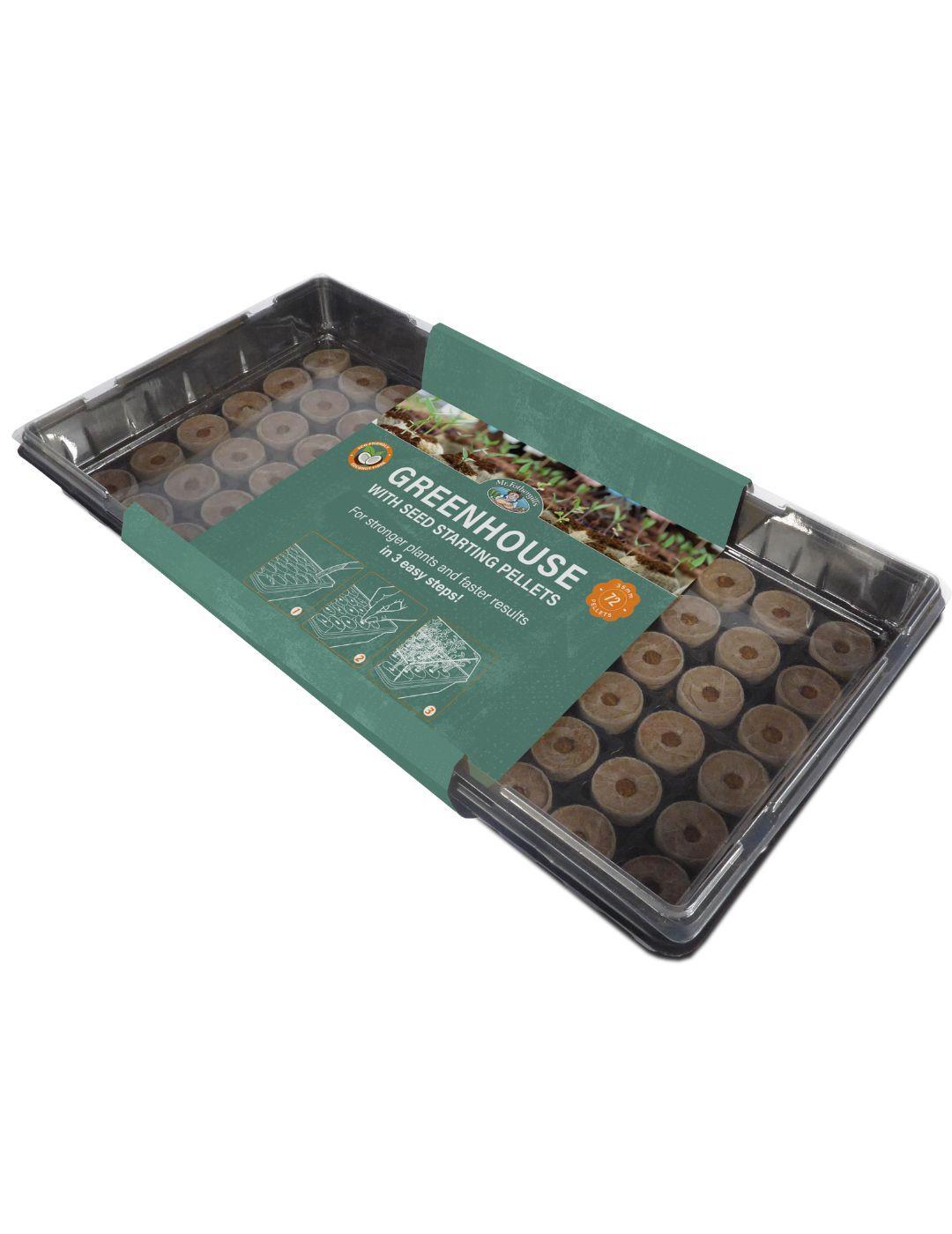
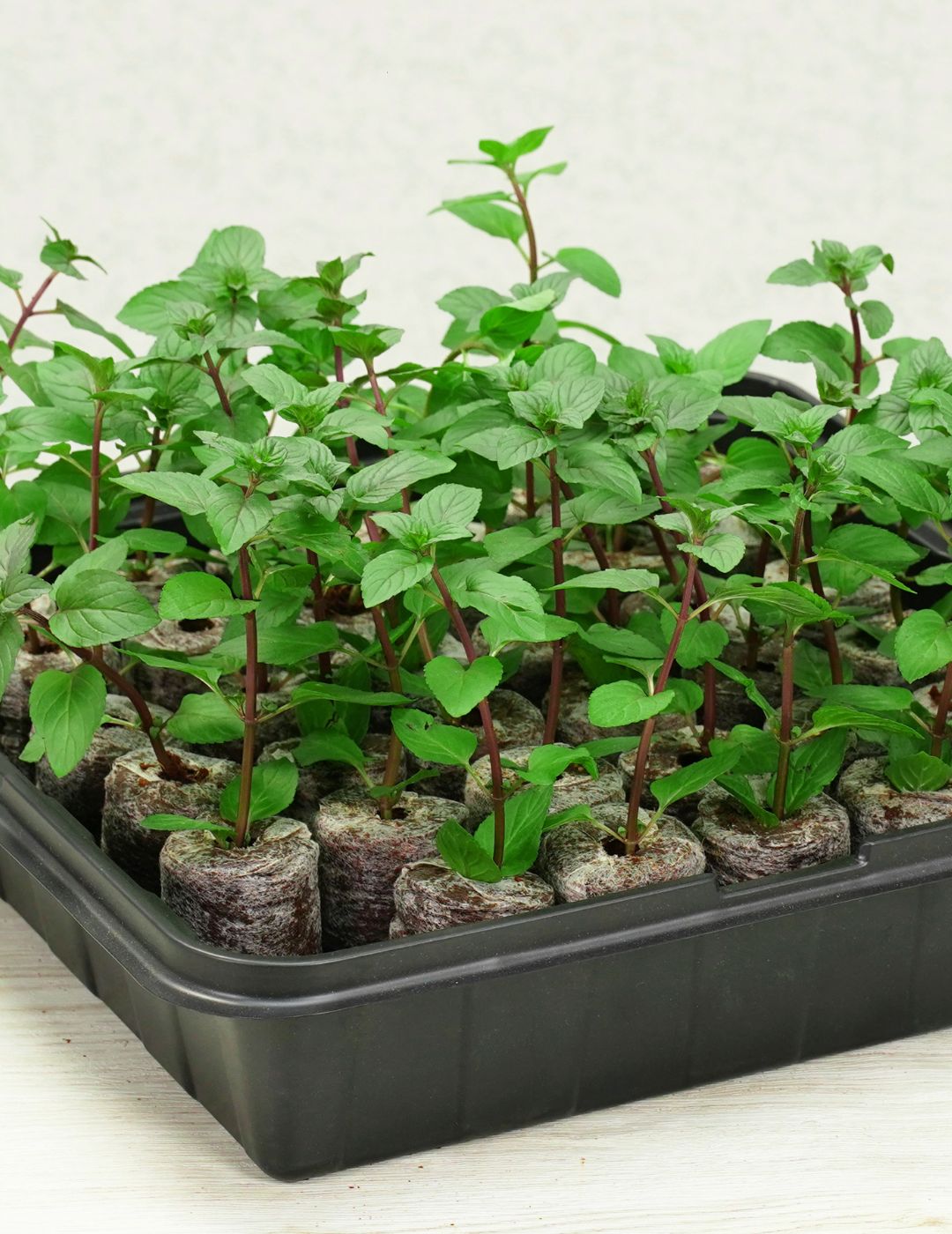
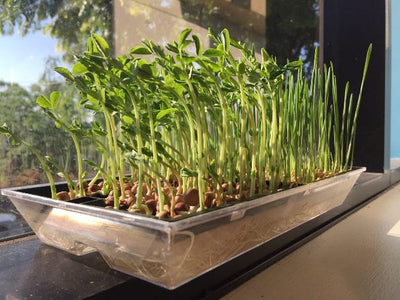
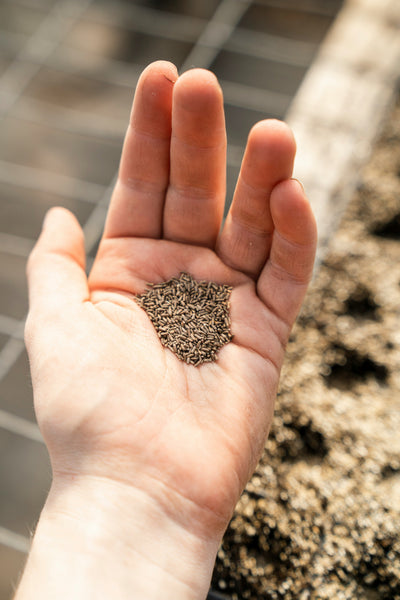
- Grow your crops from seed or cuttings as this will eliminate the need for purchasing plants in plastic pots, it will also save money too!
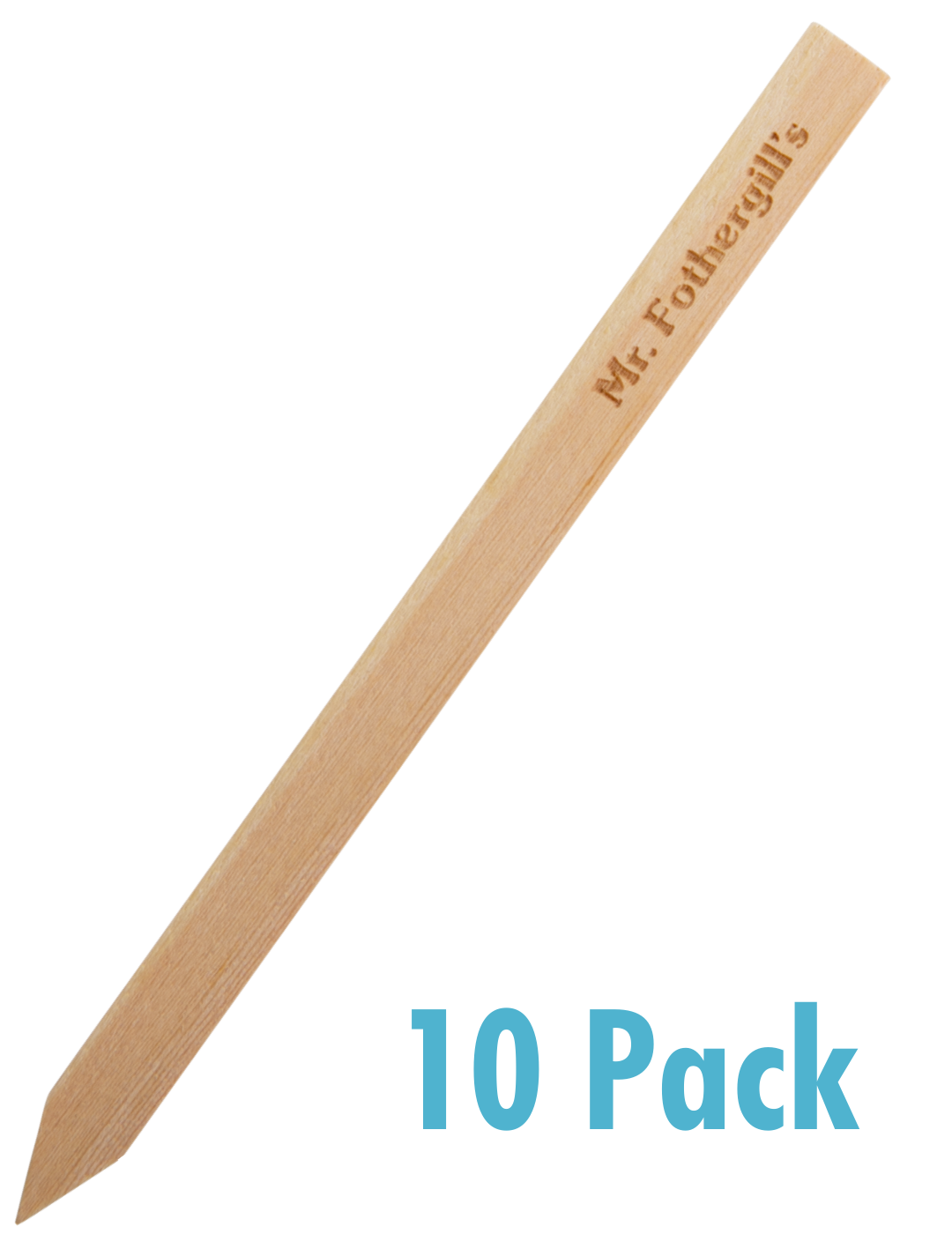
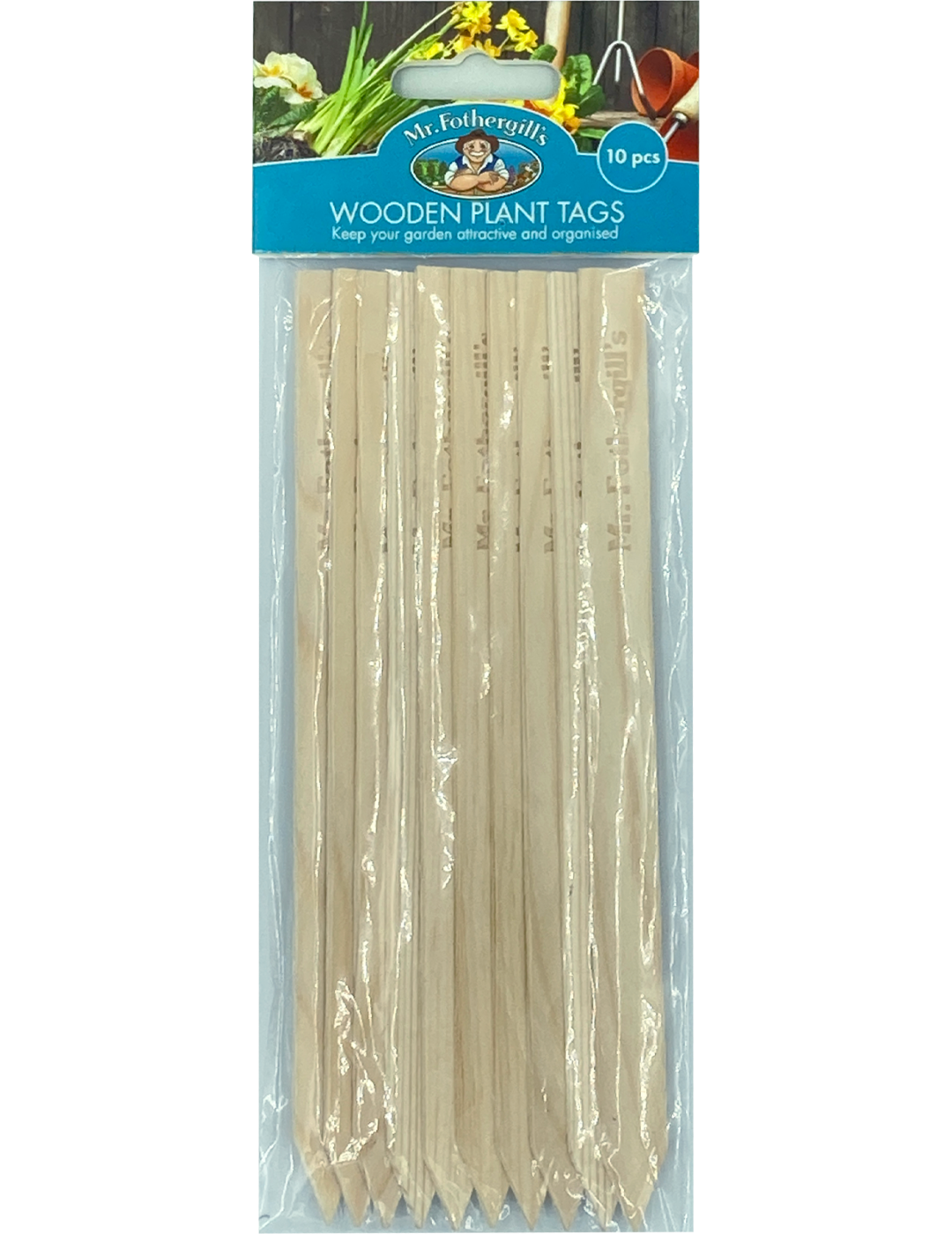
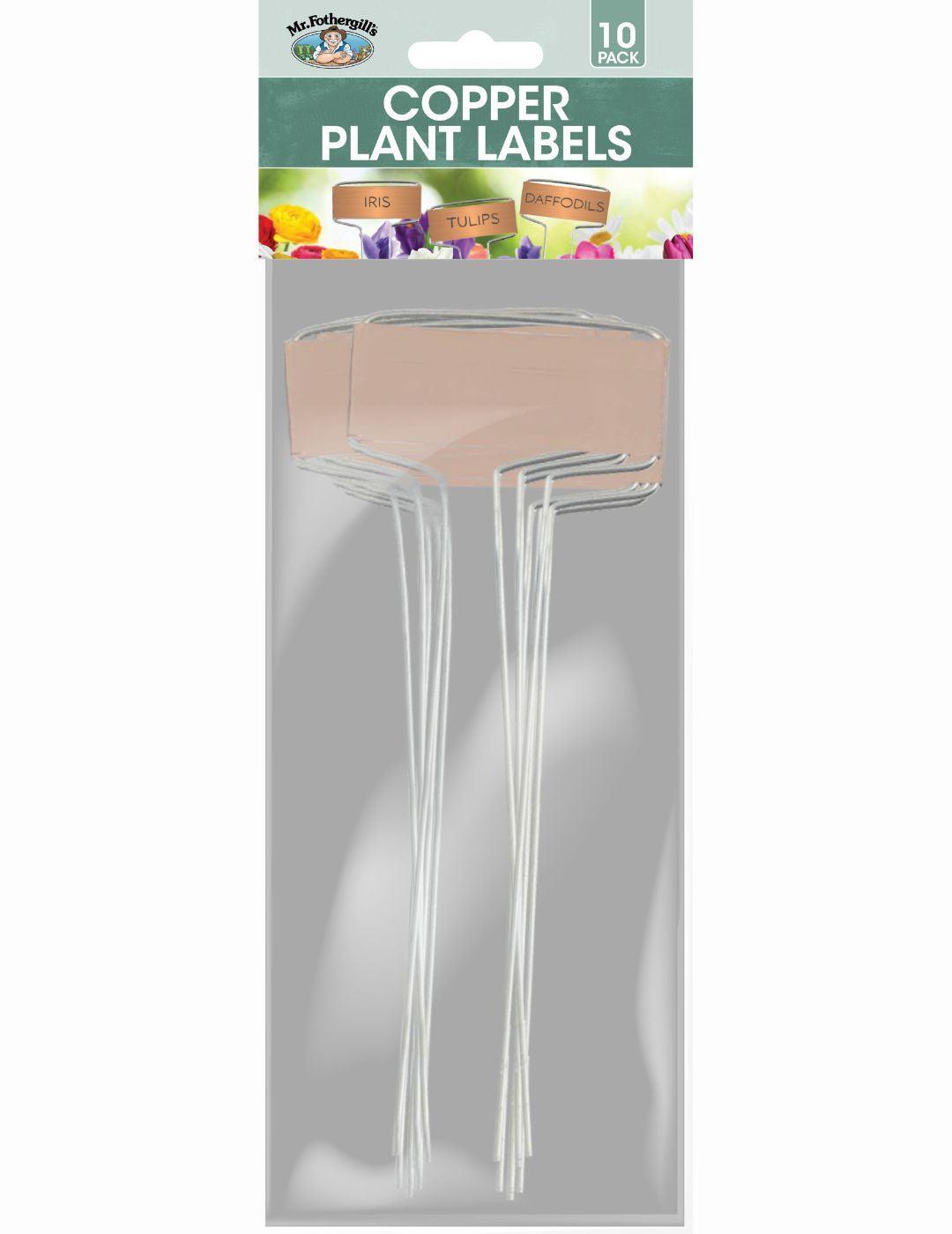
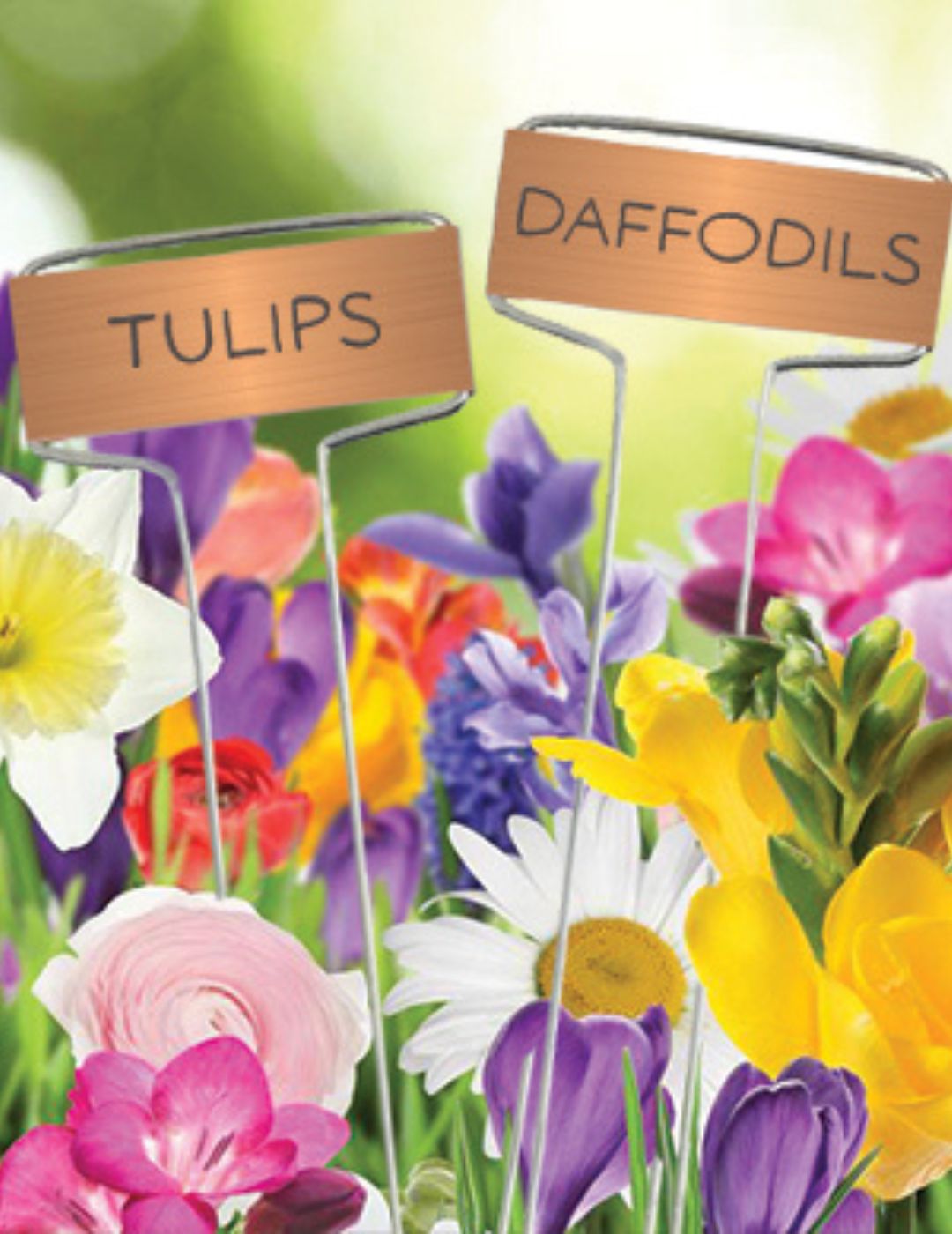
- Ditch plastic plant tags in favour of wooden tags, popsicle sticks, chalkboard signs or even metal plant tags. 
Reuse
- Reuse your plastic pots to raise cuttings and seedlings or even cut them up into reusable plant tags for your garden.
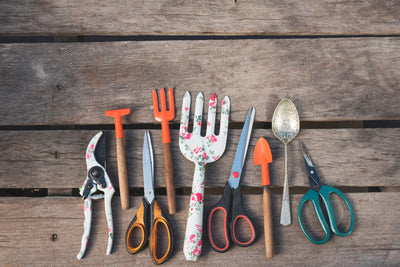
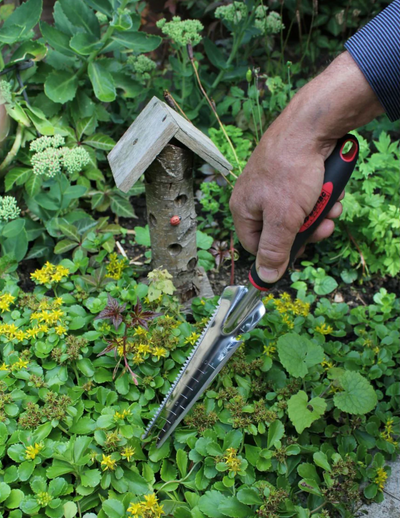
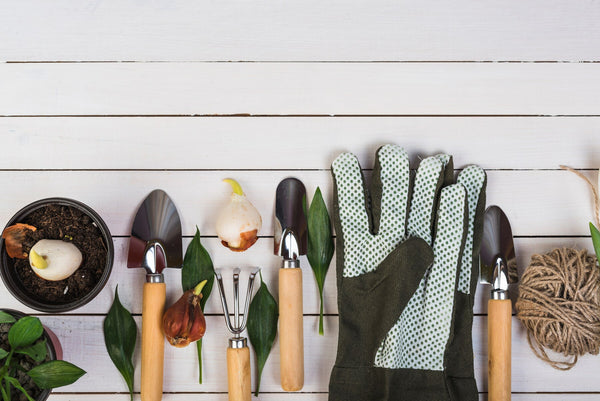
- Ask your local garden centre about quality garden tools and hose fittings. You may be able to find metal attachments for your hose that will last much longer than plastic ones.
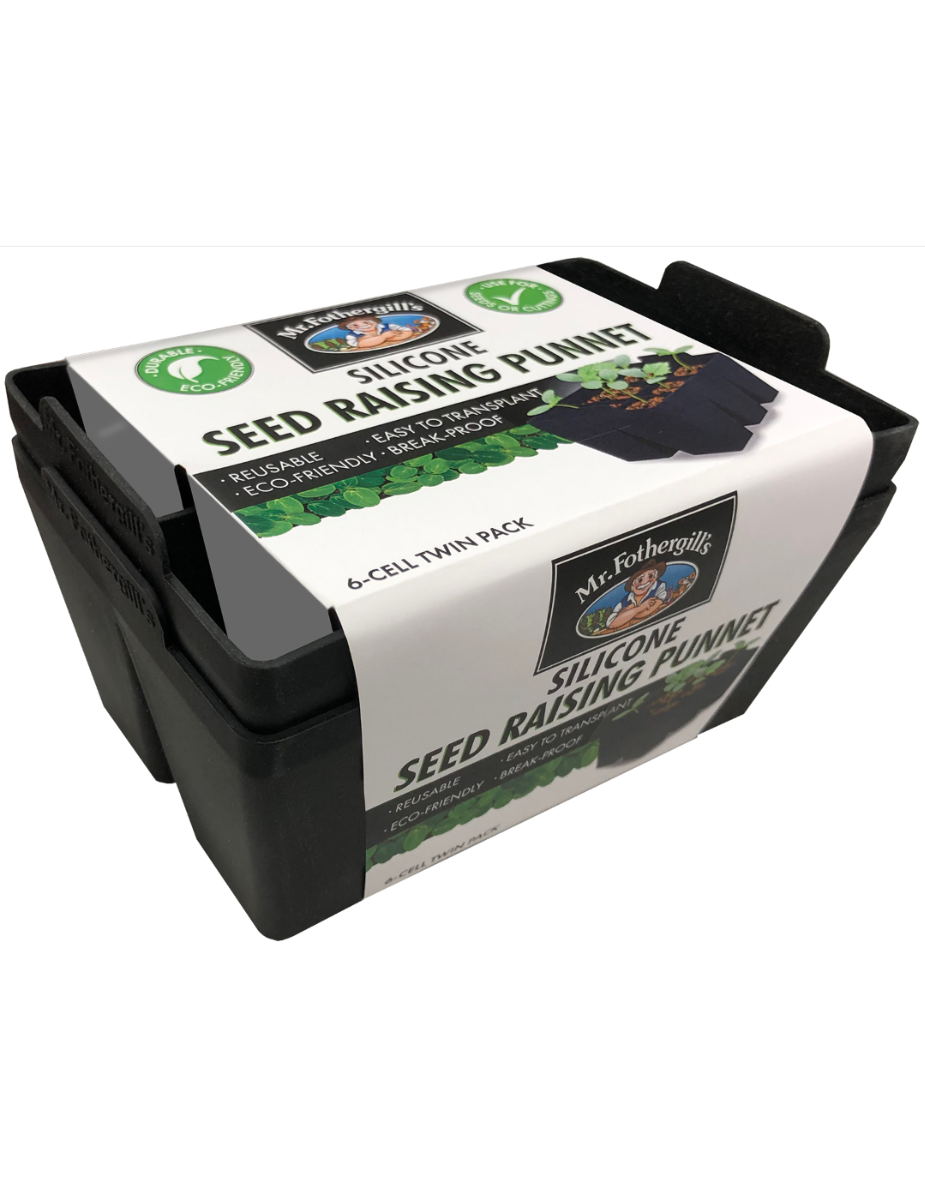
- Invest in some high quality pots that are thick and UV stabilised as these will last year after year. Alternatively, try out some of our Silicone Seed Raising Punnets that are flexible and sure to last a lifetime of gardening.
Recycle
- If you find yourself with an oversupply of plastic pots from purchasing plants, many community gardens and trade groups will accept donations of pots. It may also be worth contacting local nurseries as some accept pots too.
- If you live on a farm or large property and are regularly purchasing fertilisers and other agricultural sprays in large containers, check with DrumMUSTER to see if your empty containers are eligible for recycling.
Rot
- Rather than purchasing premade compost, create your own with kitchen scraps and garden waste. You won’t have to rely on purchasing bags of compost which reduces plastic and costs too. Find out how to start your own pile here.
- A worm farm is another great idea as you can turn food scraps into rich worm castings and liquid tonic for your plants. Gone are the days of cluttered shelves filled with bottles of plant tonics!
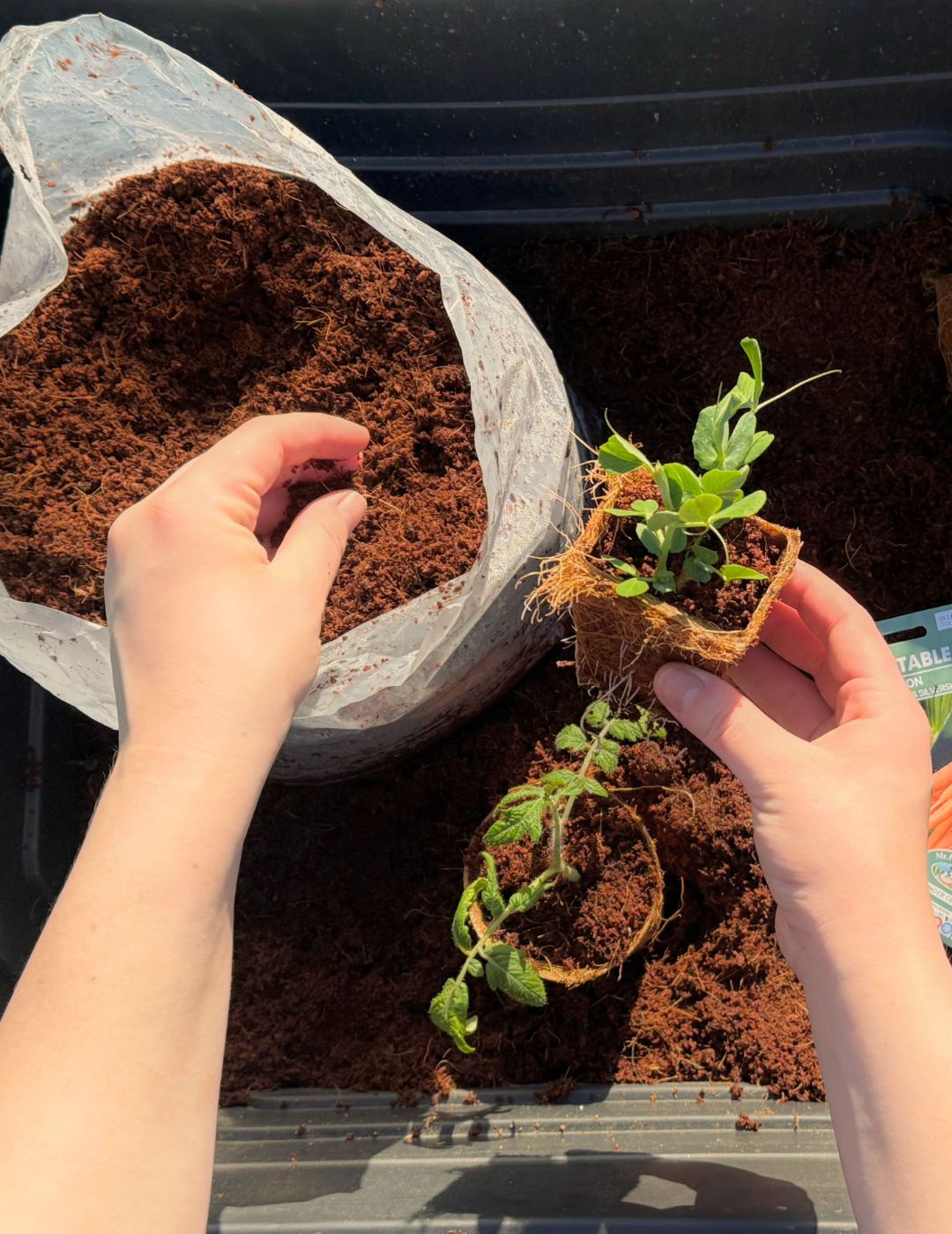
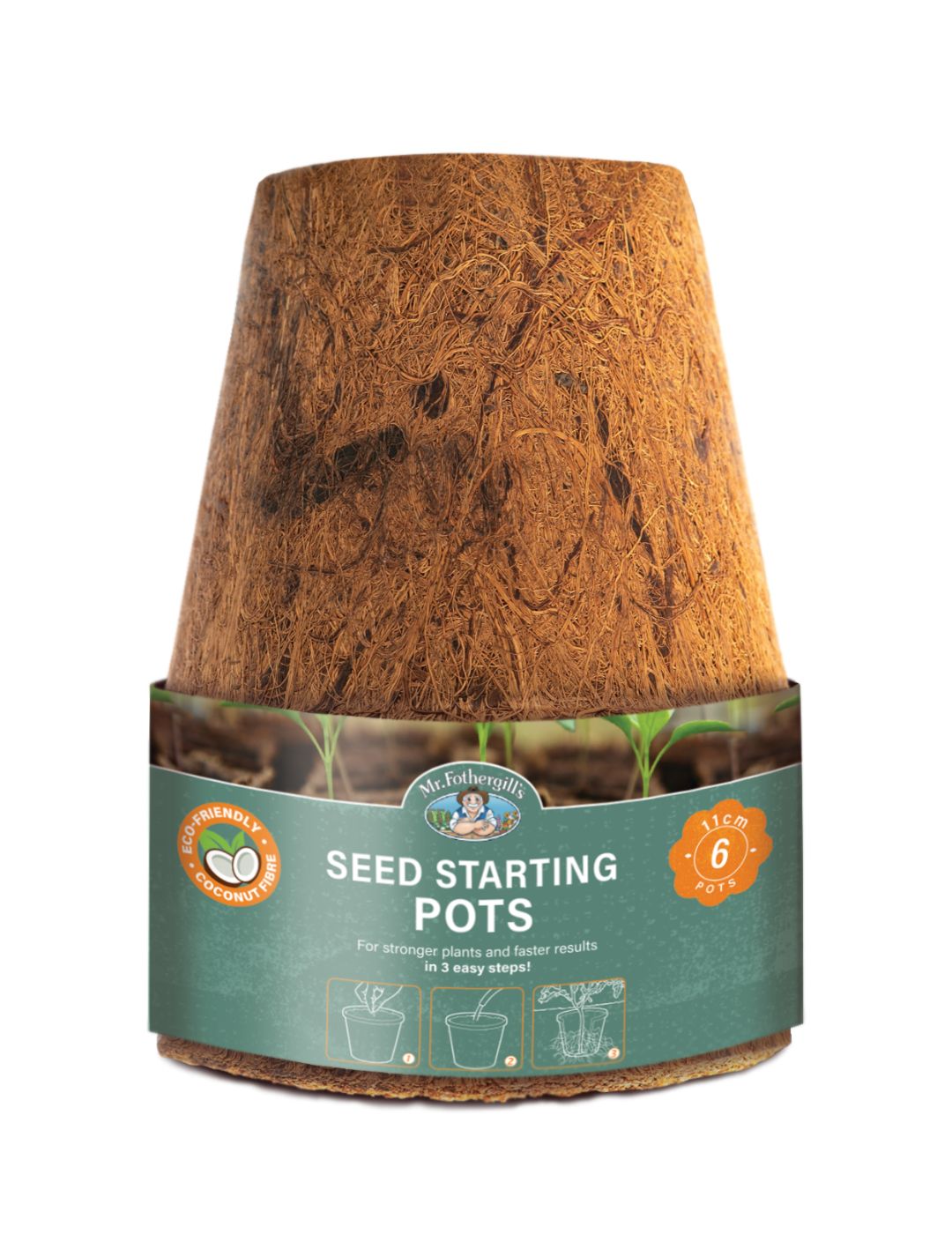
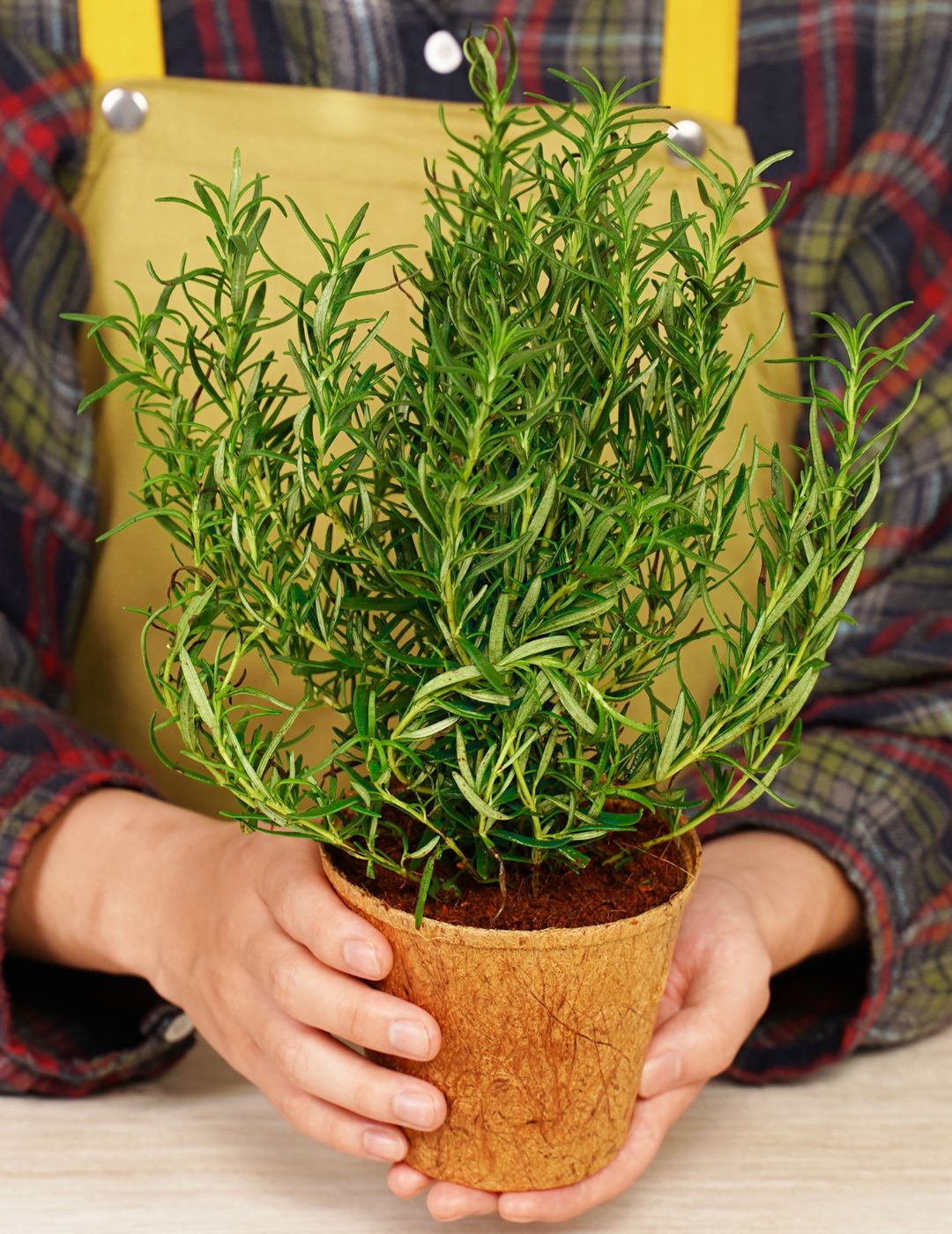
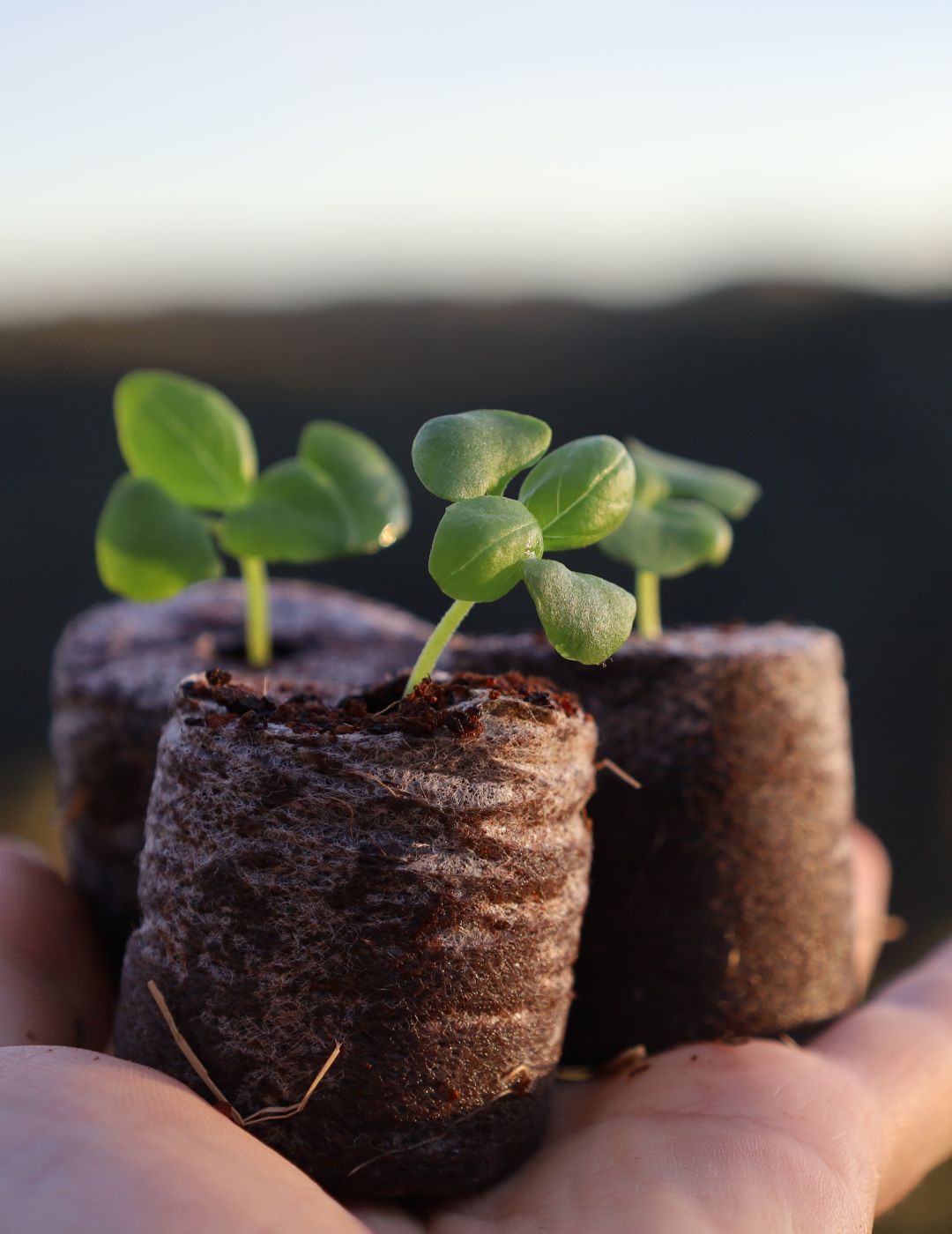
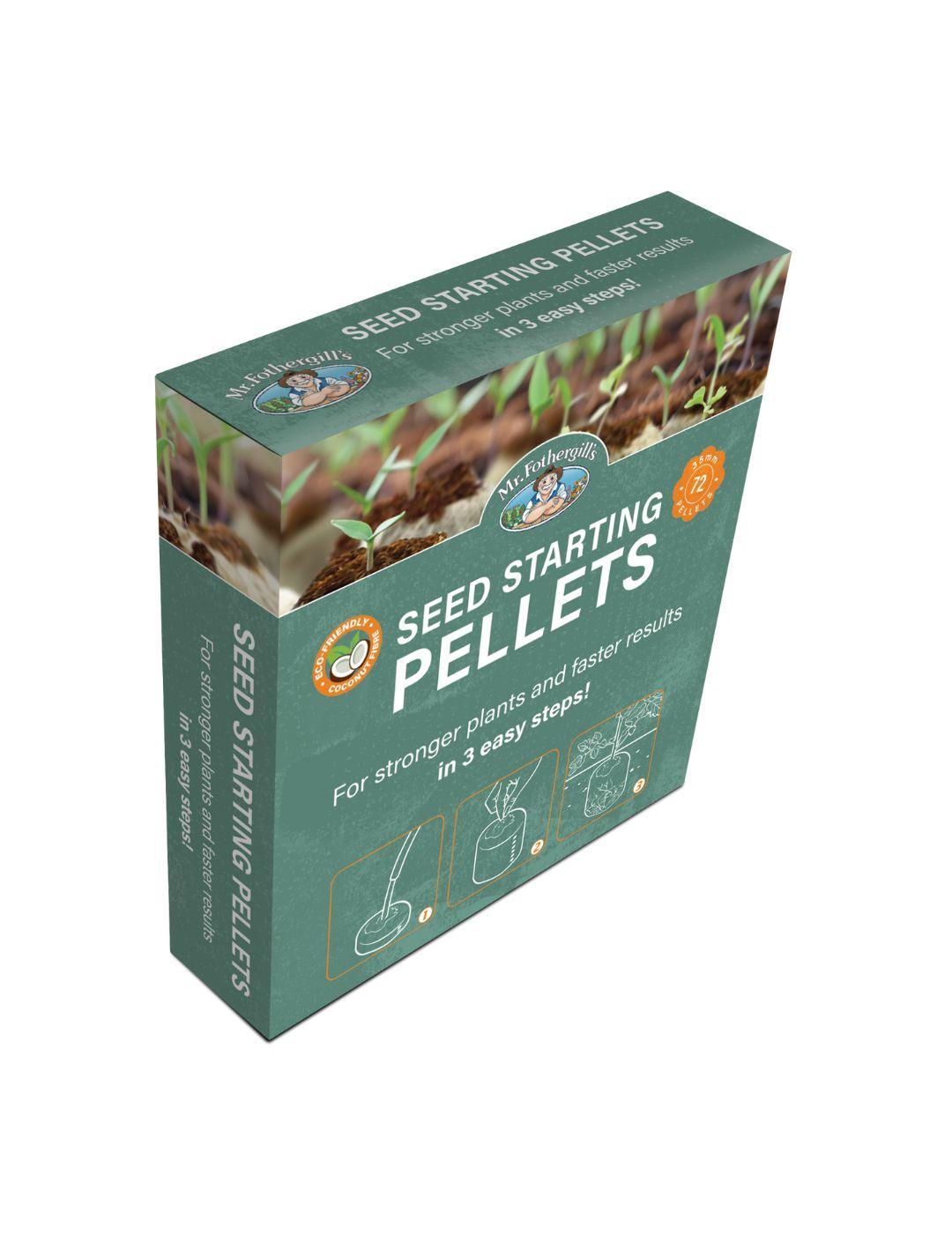
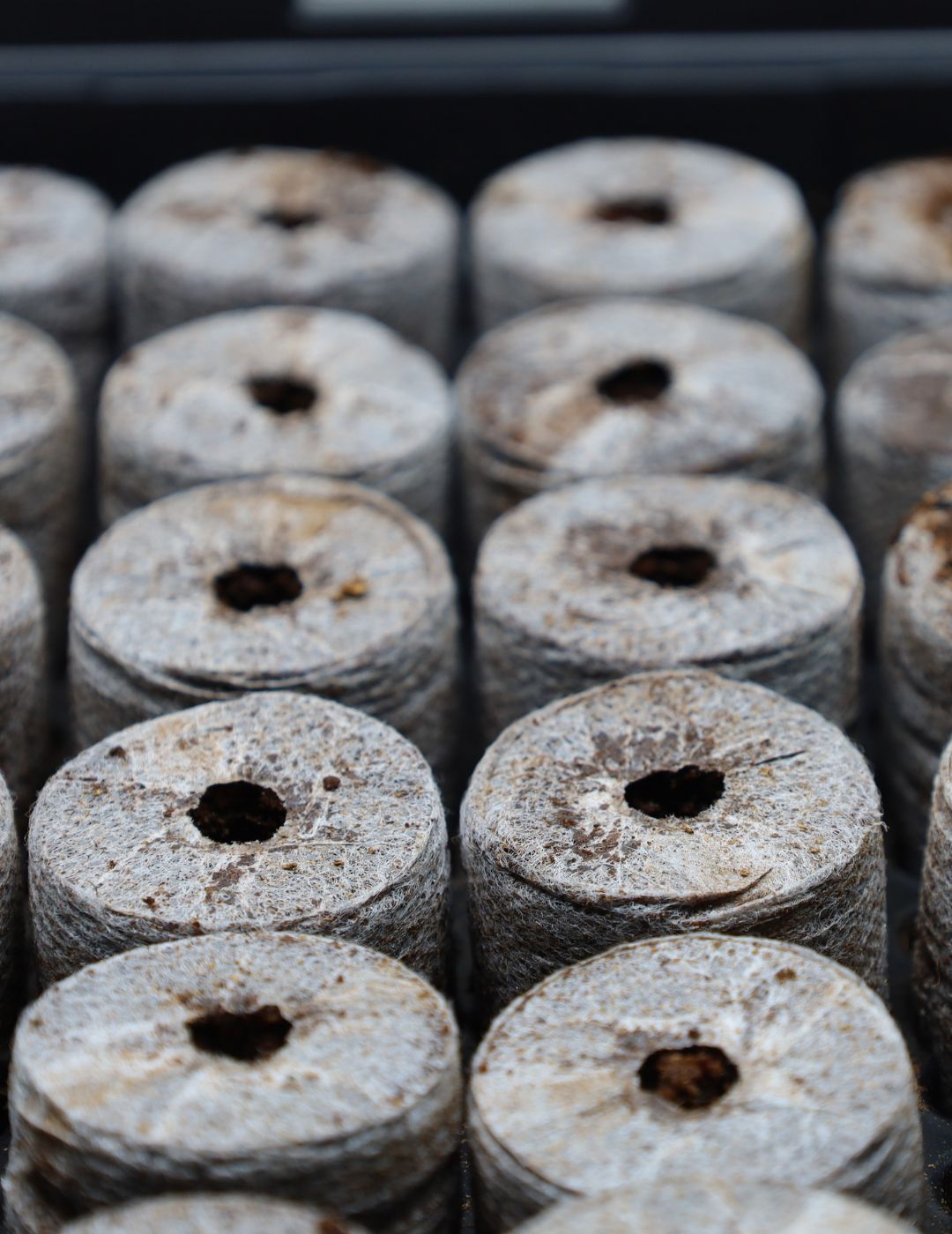
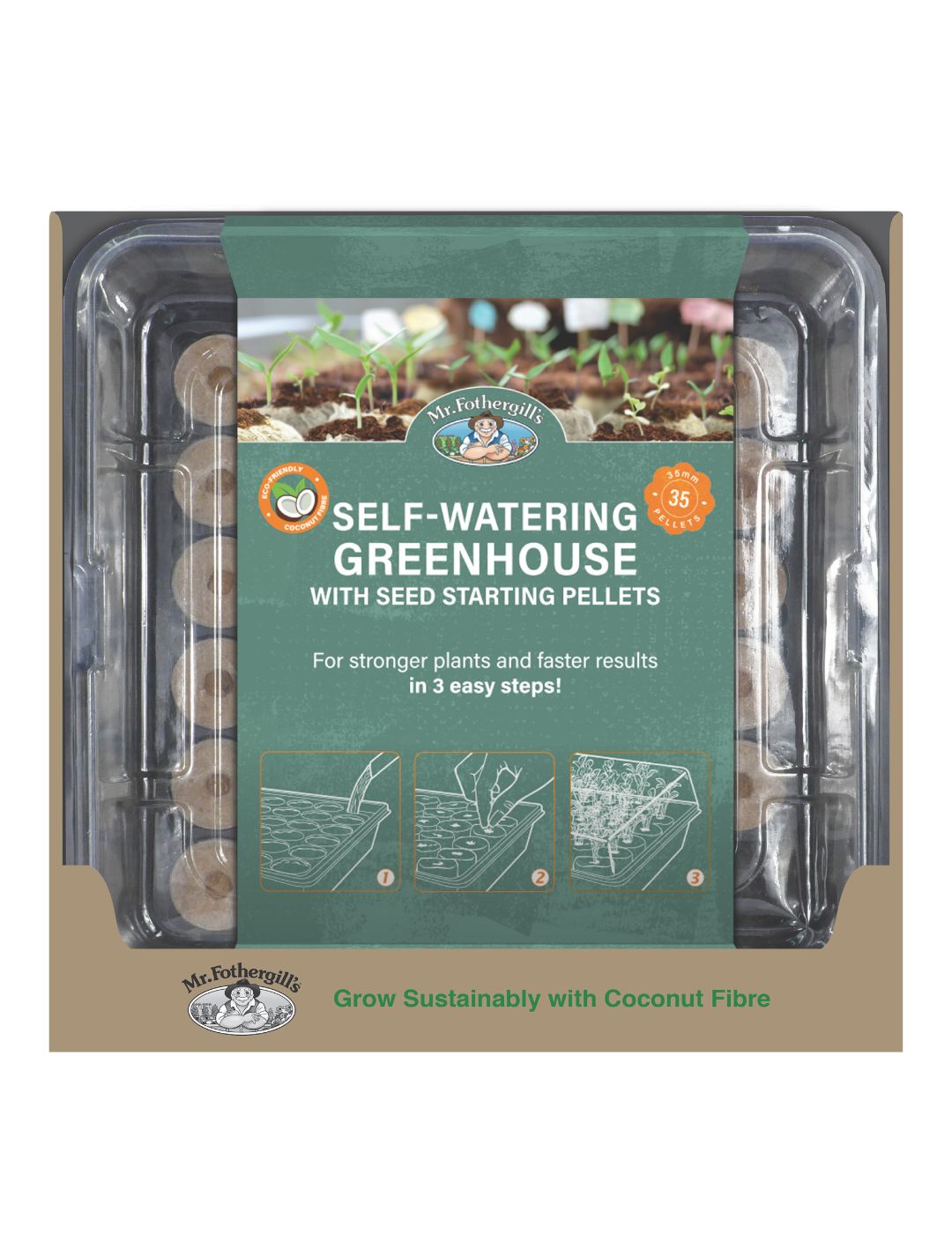
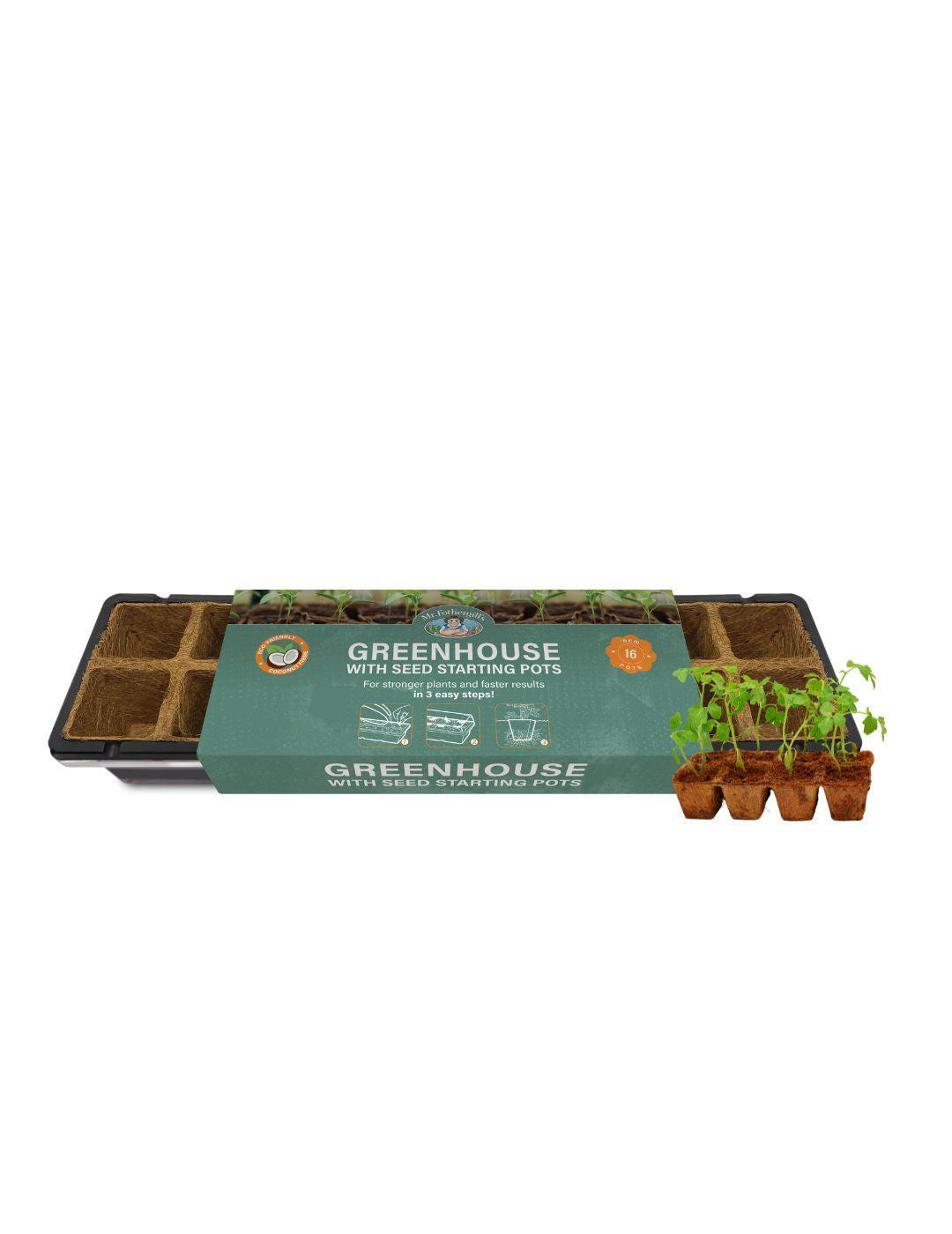
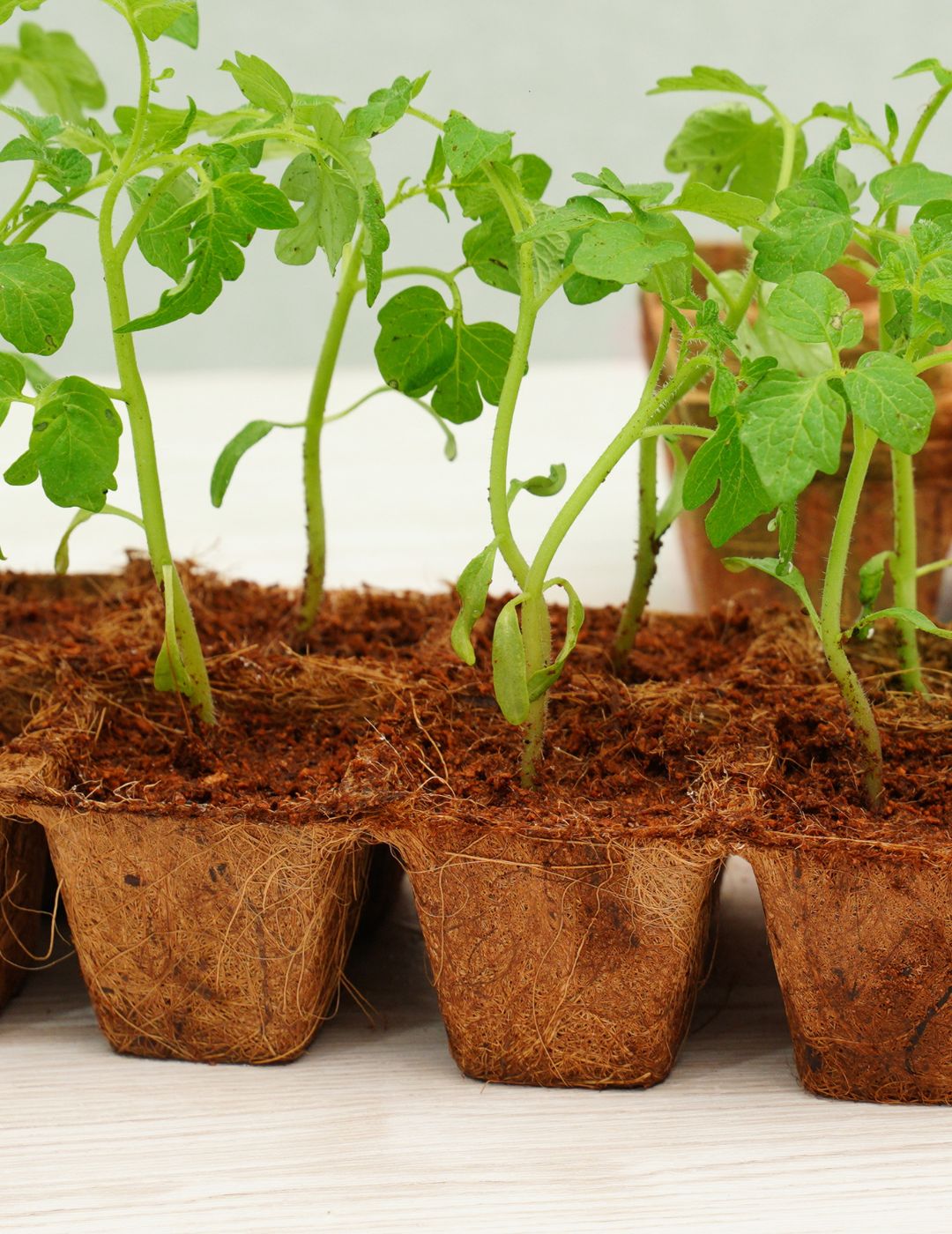
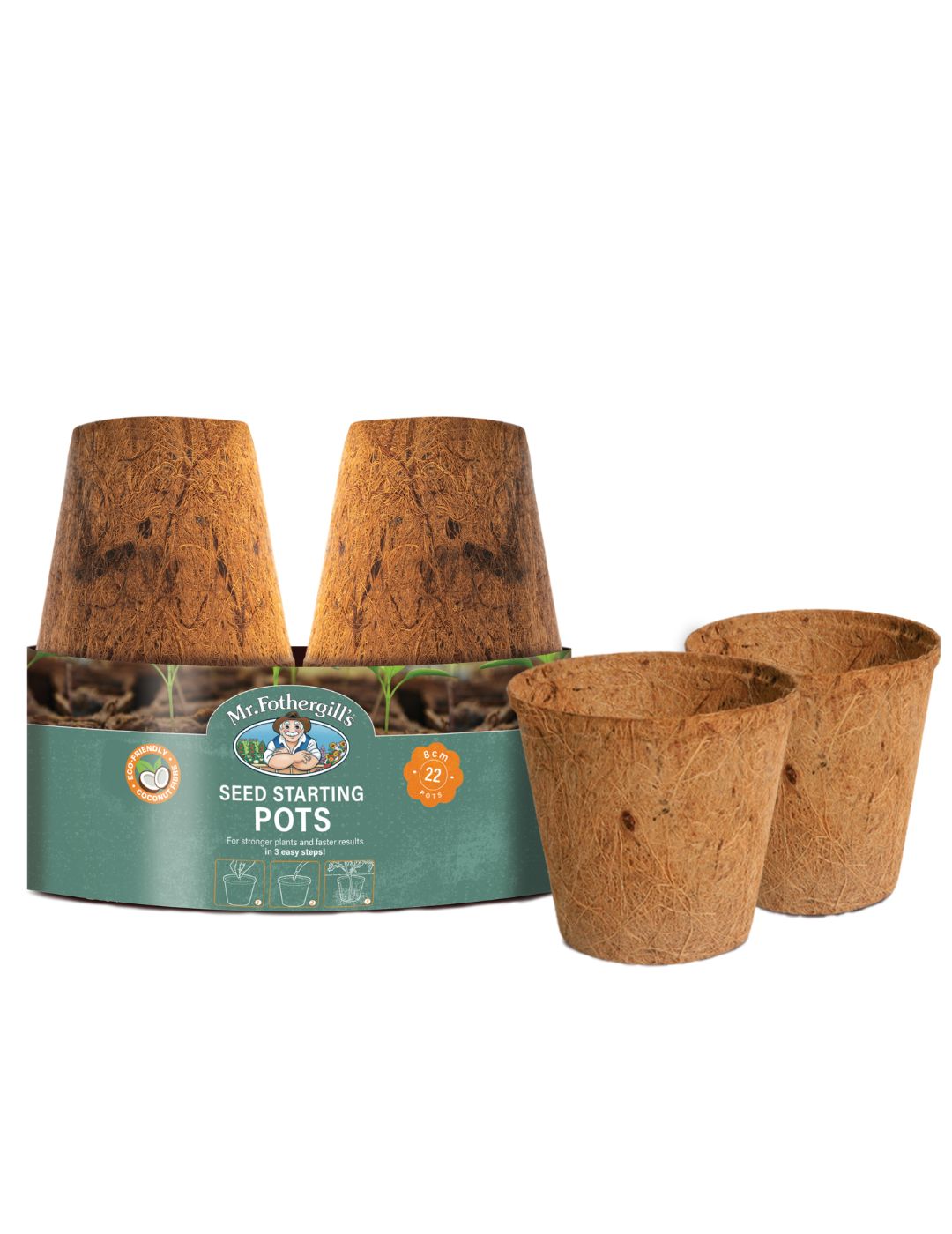
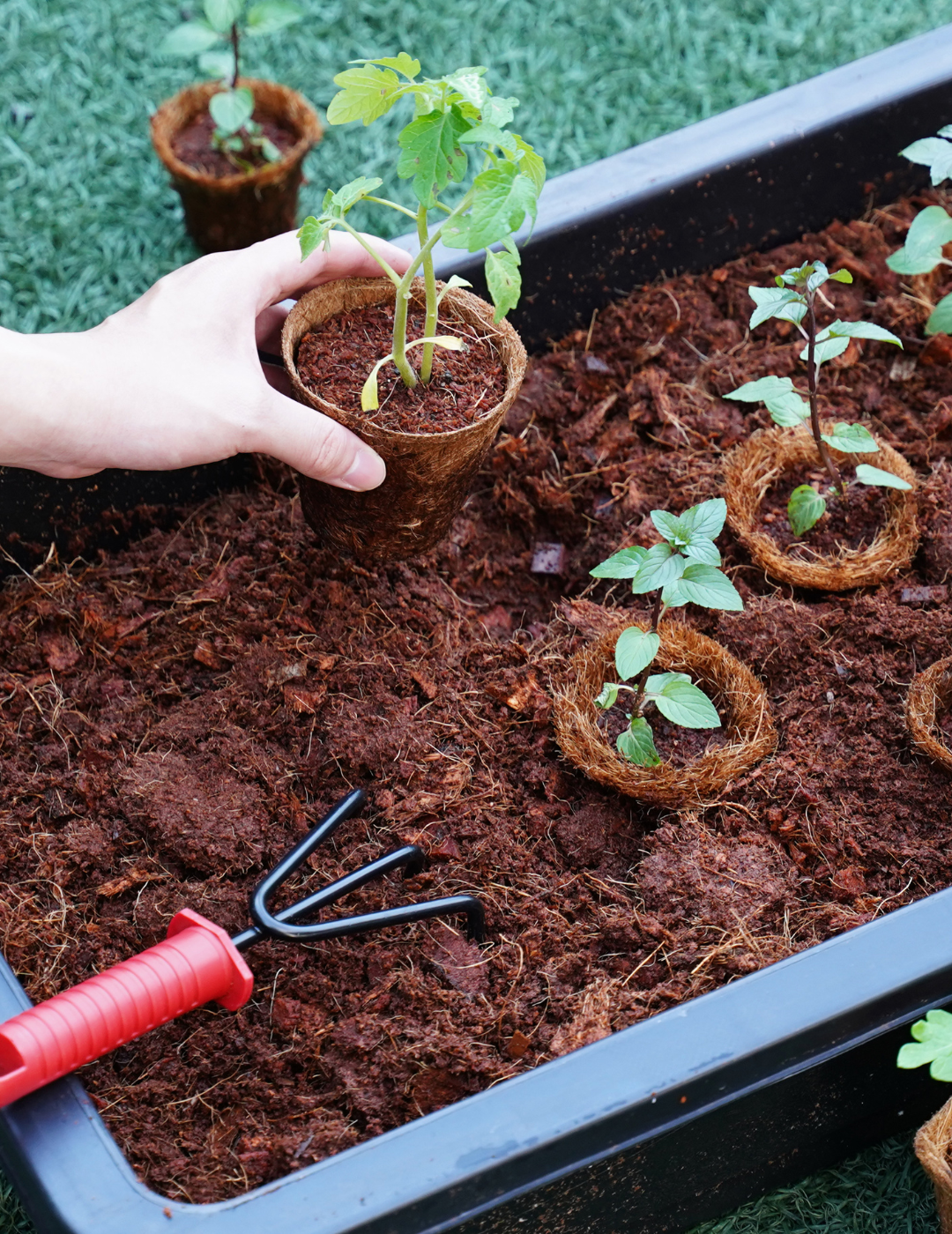
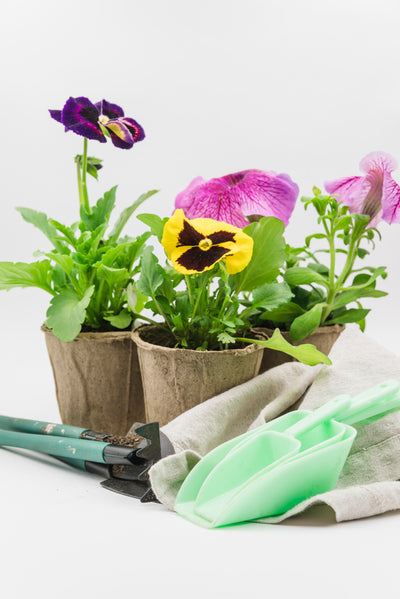
Bonus tip: Did you know all of Fothergill's Coco Fibre range of pots are fully compostable? They can be directly planted pot and all into the soil and will break down in place, allowing the roots to freely move between the pot and soil leading to healthier, transplant shock free plants!