




















Thanks to our warm climate and often unreliable rainfall, hydrophobic soil is common here in Australia. It’s frustrating to water your garden and see those beads of liquid run off the bone-dry soil like a wetsuit, but Mr Fothergill’s is here to help you fix the problem. Hydrophobic soil is by no means permanent, so let’s go through how it occurs, how to fix it with the right gardening tools, and how to ultimately prevent it!
How Does Soil Become Hydrophobic?
The first step of your hydrophobic garden’s recovery is to understand how it got to this stage in the first place.
Soil becomes hydrophobic when waxy residues accumulate on its particles, repelling water and preventing its absorption. This residue occurs when heat and a lack of rainfall cause the soil to dry out, killing the microbes that would otherwise break it down. Sandy soils are more likely to become hydrophobic, as are dried-out potting mixes and soils containing unrotted organic matter.
Not sure if your soil is hydrophobic? To find out, simply water it and note whether the water runs off it or pools on the surface, leaving the soil underneath dry.
How To Fix Hydrophobic Soil: Three Steps to Rescue
Now that you know why your soil has become hydrophobic, you can begin to target its causes. At Mr Fothergill’s, we recommend a three-step approach to fixing hydrophobic soil.
Step 1: Utilise Wetting Agents
Wetting agents are a quick and short-term first option for treating hydrophobic soil. They work by breaking down waxy coatings and disrupting the surface tension of water, improving its ability to penetrate the soil.
You can purchase a ready-made wetting agent or make one at home using agar (powdered kelp). To do this:
- Mix agar powder/powdered kelp (available at health food stores) with 500ml of boiling water until you get a thick custard consistency.
- Add this mixture to a 9L watering can and fill it with water to dilute it.
- Apply this over well-watered soil. This should cover about 9m² of soil.
Ensure the soil is well watered before applying the above mixture, as this will grant the wetter mix the best chance of penetration. Due to the biodegradable nature of this mix, it will only be effective for around one month.
It’s also possible to use diluted dishwashing liquid or dishwater/laundry water as a soil wetting agent thanks to the surfactants in the detergent that break water surface tension. We strongly advise being cautious when using detergents in your garden and choosing environmentally friendly/biodegradable options. You should also check their suitability for your specific plant varieties.
Step 2: Trying the ‘Deep Soak’ Method
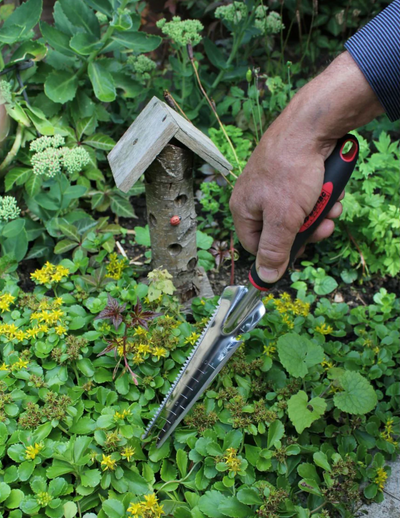
After applying your wetting agent, you can take it a step further and try the deep-soak method. To do this, dig into your soil and create a shallow trench, or break up the surface of your soil using a garden trowel or hand fork. Fill the area with plenty of water and allow it to soak for an hour.
Over time, the wetting agent should help the soil absorb this large volume of water. Once an hour has passed, fill with water again to aid thorough hydration.
Step 3: Adding Organic Matter and Mulch
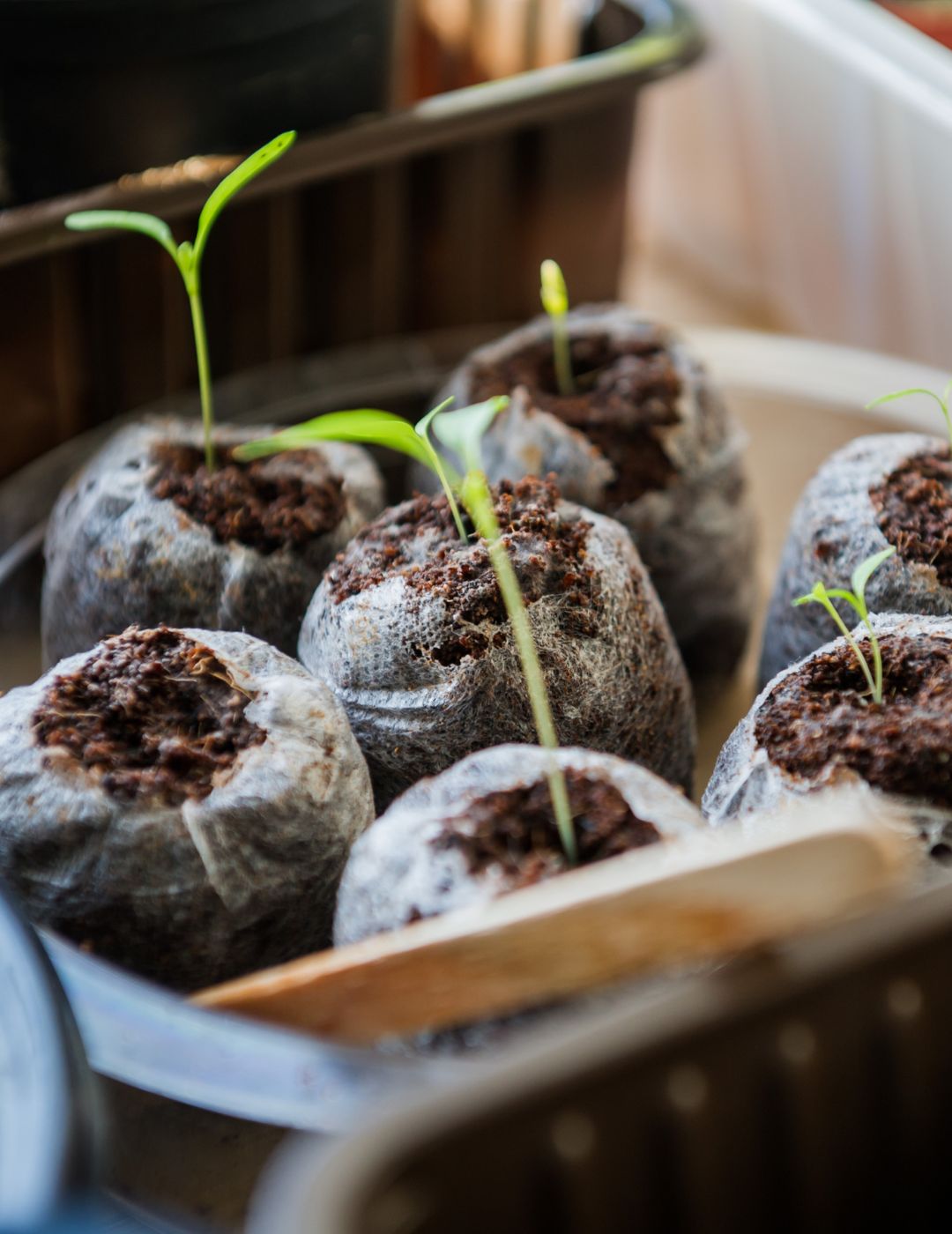
The third step you can take to improve hydrophobic soil over the long term is to add well-rotted organic matter to your soil. At Mr Fothergill’s, our Coco Fibre range is perfect for this step, with our Coco Fibre Seed Raising Mix improving soil quality and water retention.
Mulching over the top of your soil can also prevent soil from drying out and reintroduce microorganisms that break down waxy residues, improving soil biology. Varying the mulch used in your garden for each application will help increase the microbiology in your soil as the mulch breaks down. Try options including sugarcane mulch, hardwood chips, and autumn leaves.
Planning Ahead: How To Prevent Hydrophobic Soil
The steps outlined above are key for fixing a hydrophobic garden, but with dry conditions being so common across Australia, is there a way to prevent these soil conditions from happening?
The key to preventing soil from becoming hydrophobic is to regularly apply mulch and organic matter to improve its water-retention capacity. Mixing organic matter, such as our Coco Fibre mix, into your soil at least once per year will bolster its structure, and maintaining a layer of mulch can insulate it against the heat that kills its microbes.
To learn more, check out our full guide to the different types of mulch.
Can Hydrophobic Soil Be Fixed With Potted Plants?
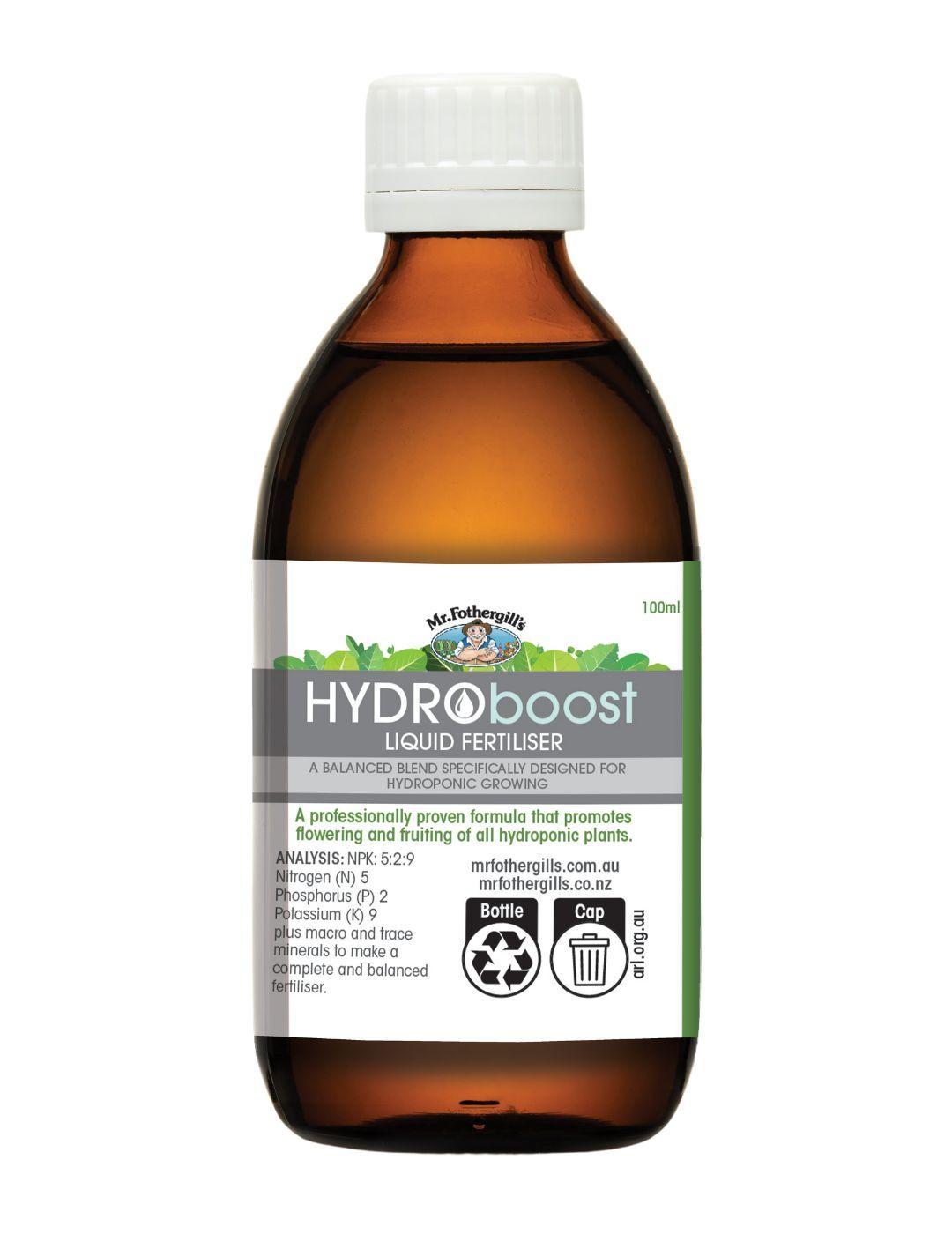
If your potted plants are also struck by hydrophobic soil, thoroughly hydrate them by placing the pot into a tub of water so that the water covers the entire pot. Next, add half-strength liquid fertiliser to the water to replenish nutrients in the soil (you should notice bubbles rising to the surface), then soak the pot for 10-20 minutes.
Potted plants require occasional repotting, during which you can add a new potting mix to boost moisture levels and provide fresh nutrients. Water crystals or Coco Fibre can also improve the water-holding capacity of potted plant soil.
Don’t Let Hydrophobic Soil Stop You With Mr Fothergill’s
Hydrophobic soil can get in the way of your gardening fun, but don’t let it overstay its welcome with the help of Mr Fothergill’s. Hydrate your soil and get your garden back to its best with our expert advice and products. If you want to enrich your soil structure and aid water retention, check out our full Coco Fibre range, or feel free to contact us with your questions.