










When it comes to growing from seed your packet includes plenty of important details. By understanding your seed packet and what it is asking you to do you can achieve the best results from your flower, herb and vegetable seeds. Let's dive right in and explain how it all works!
Front of Packet
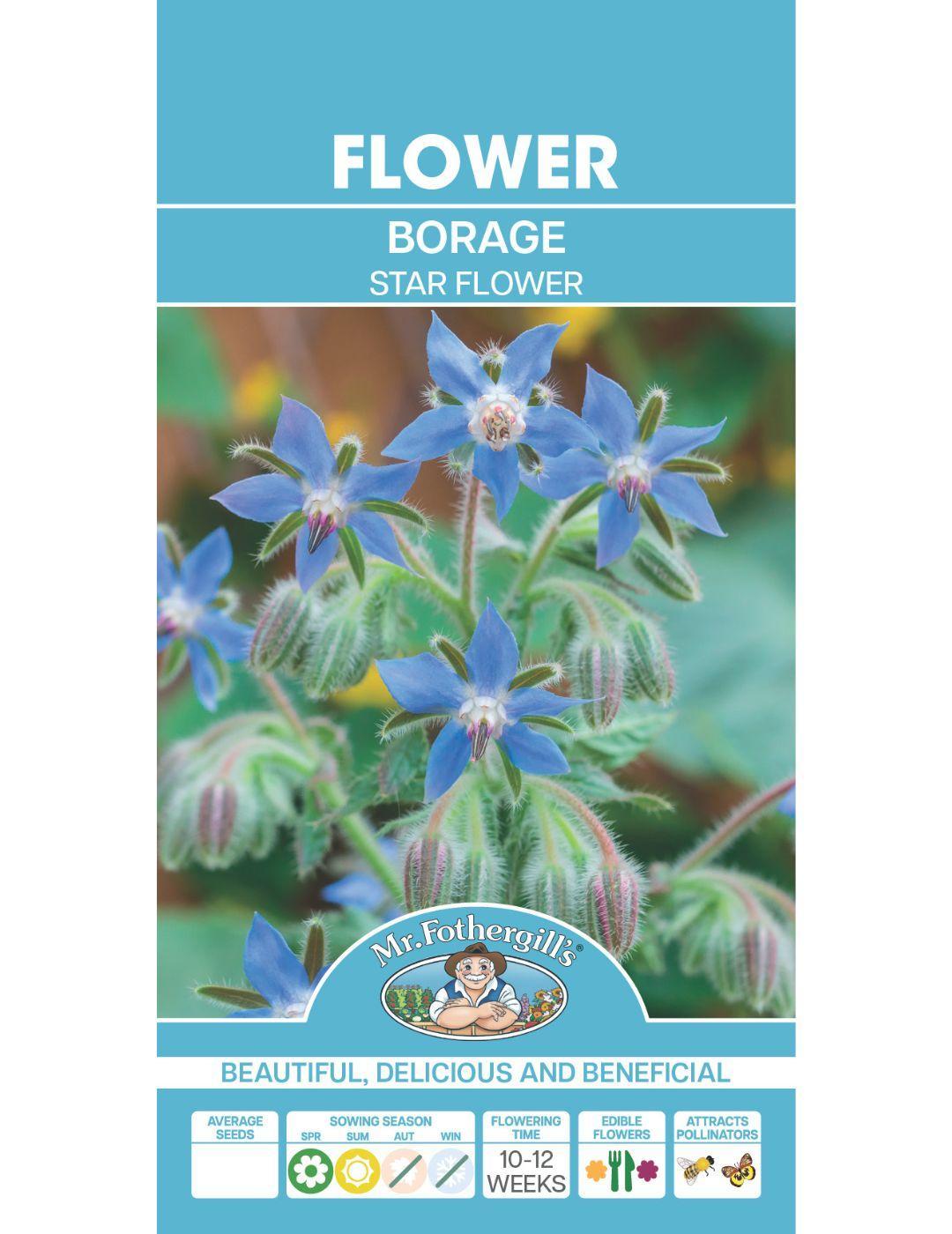
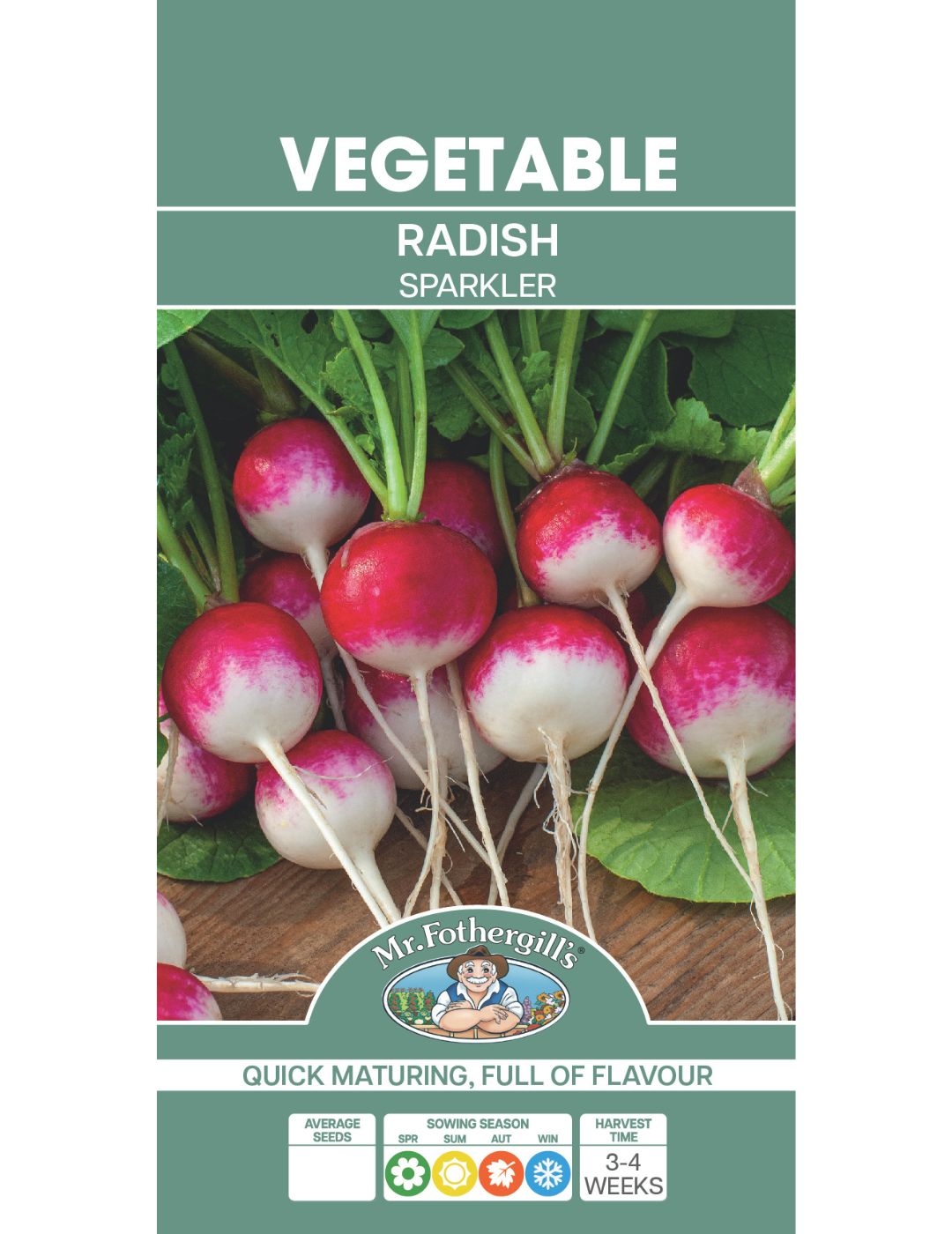
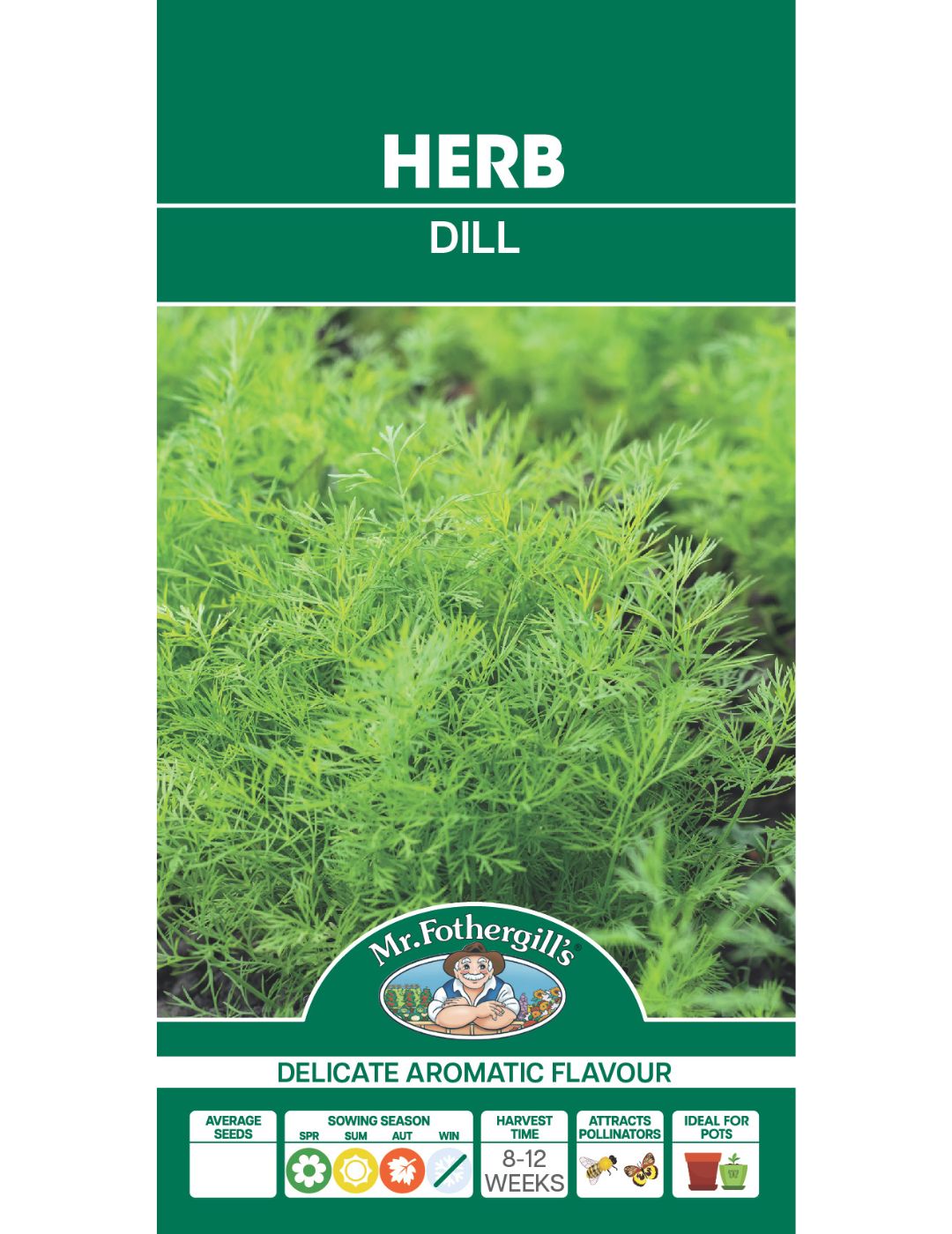
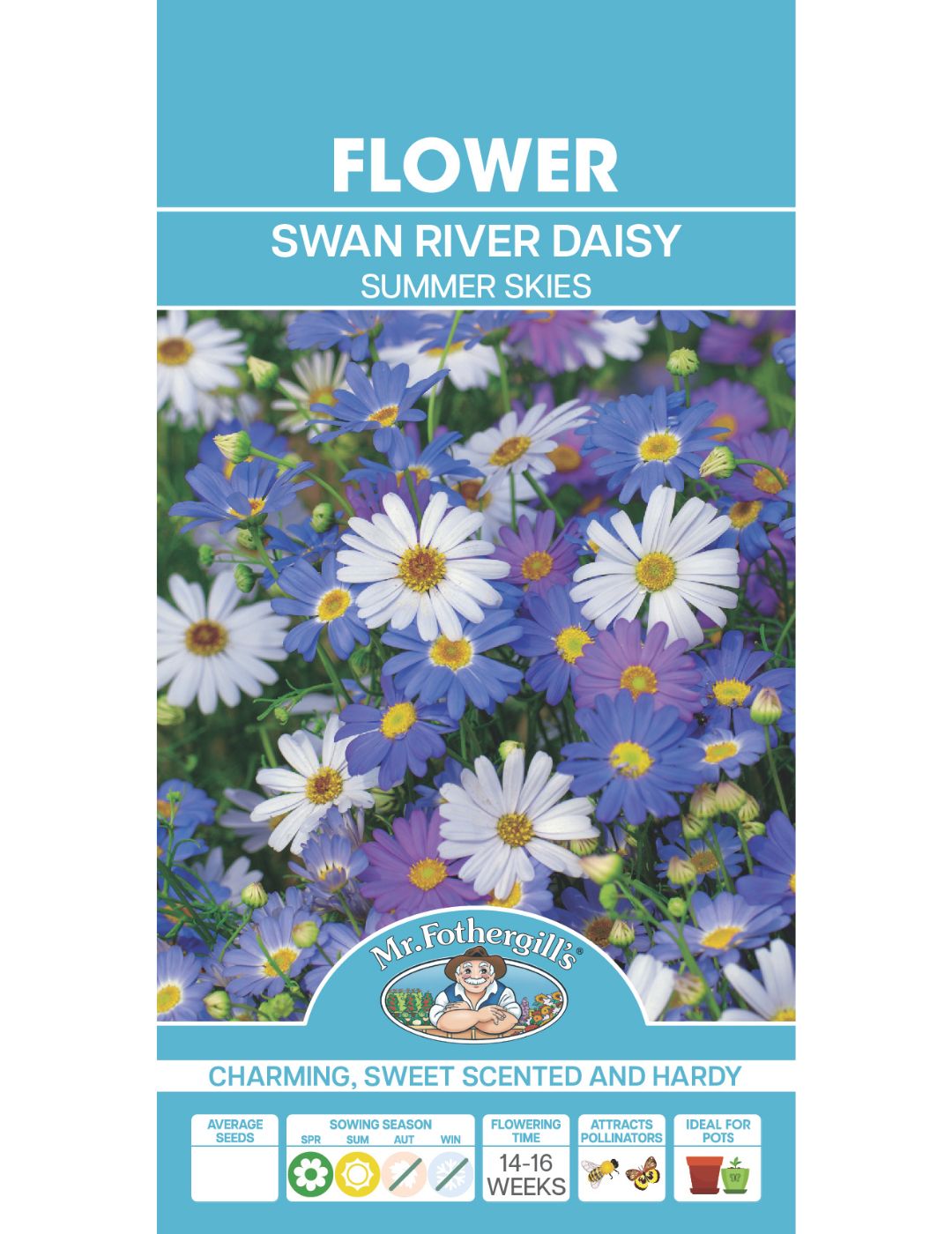
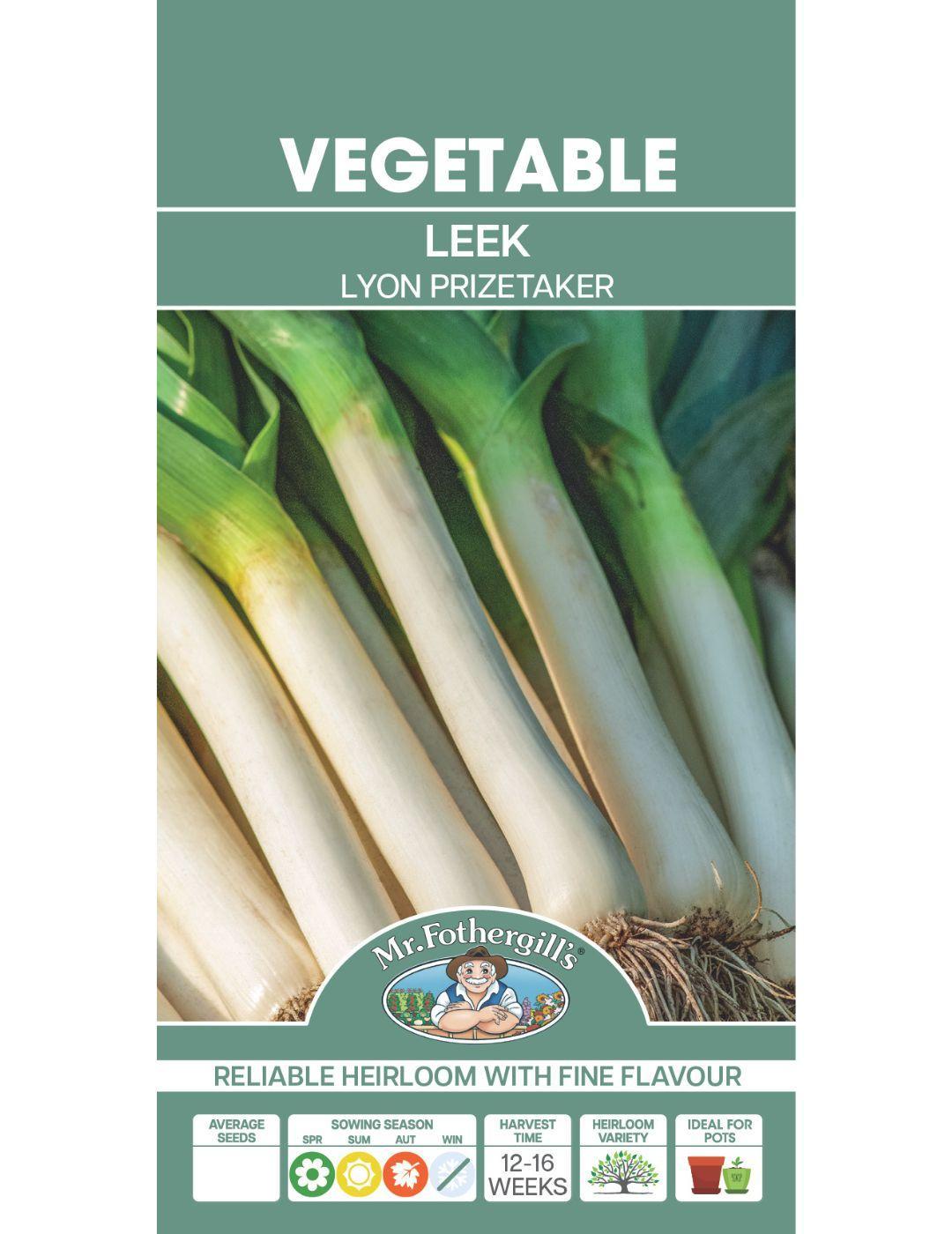
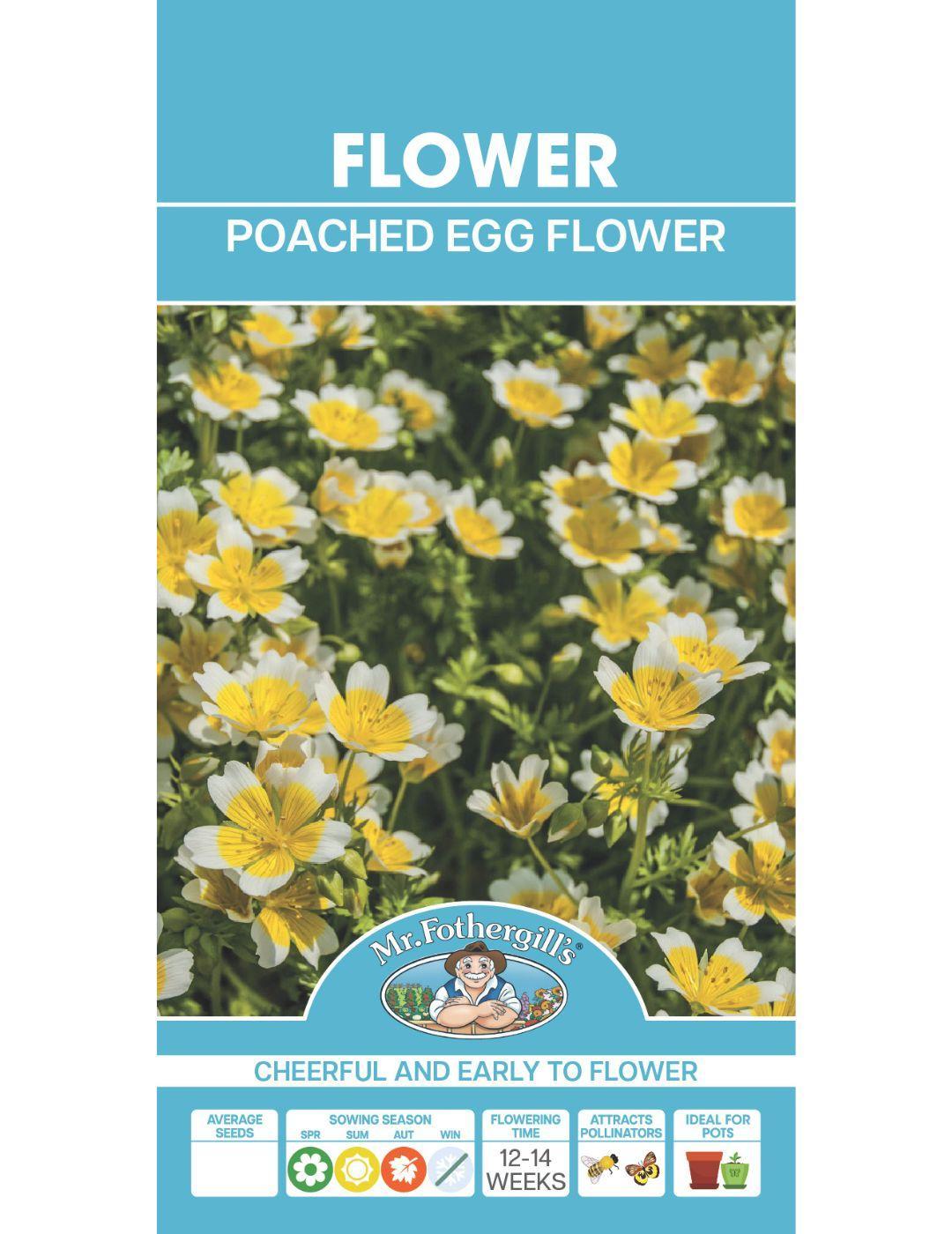
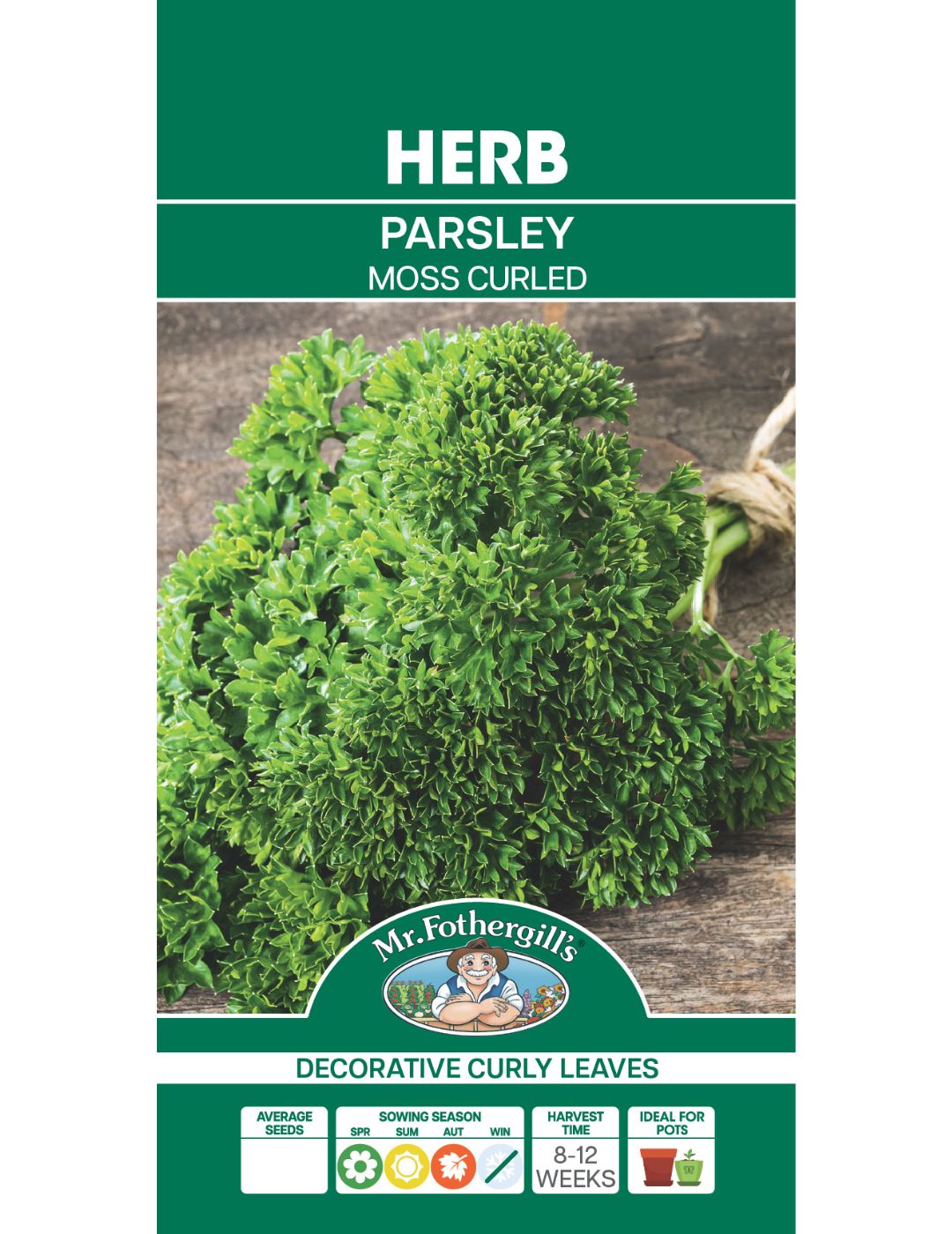
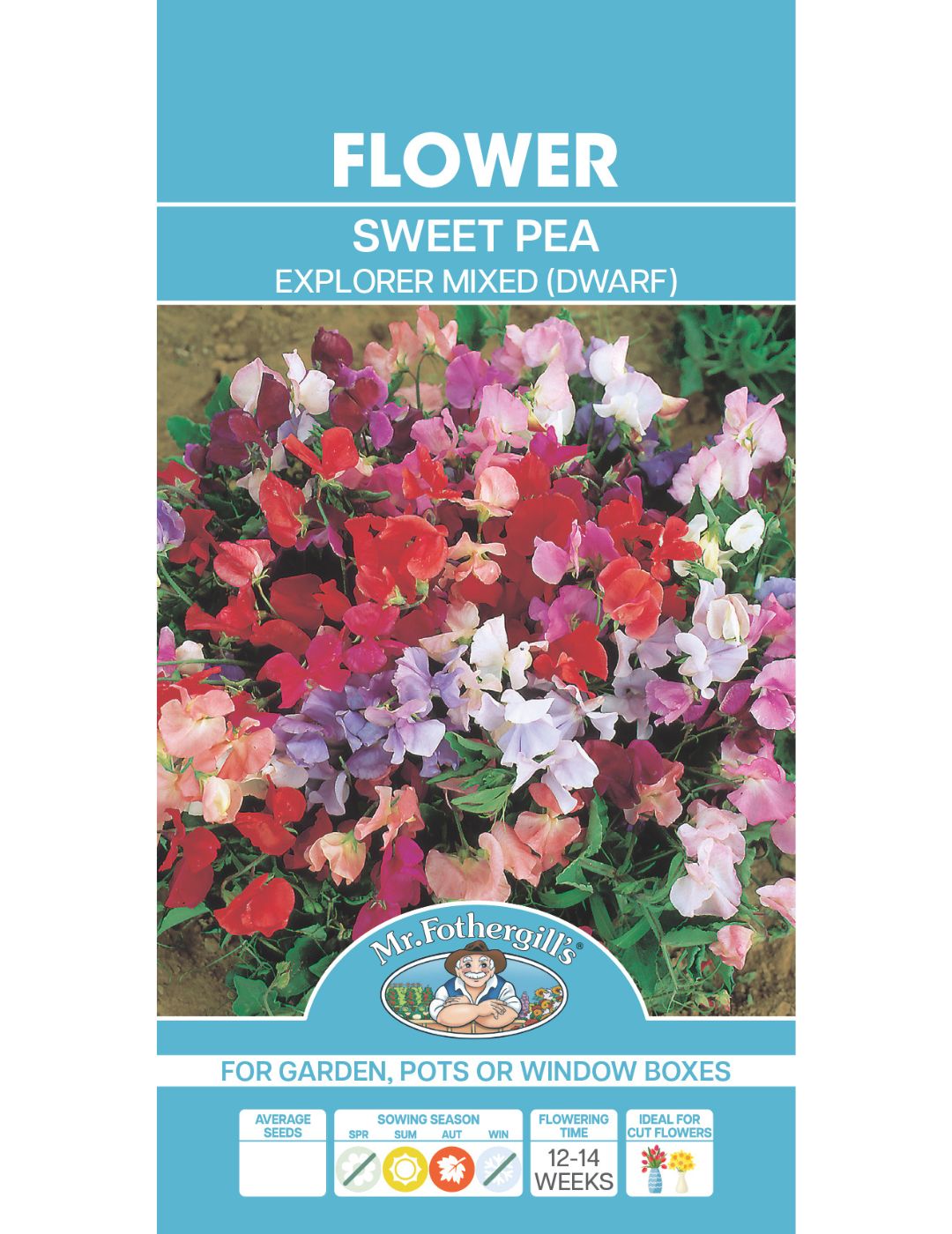
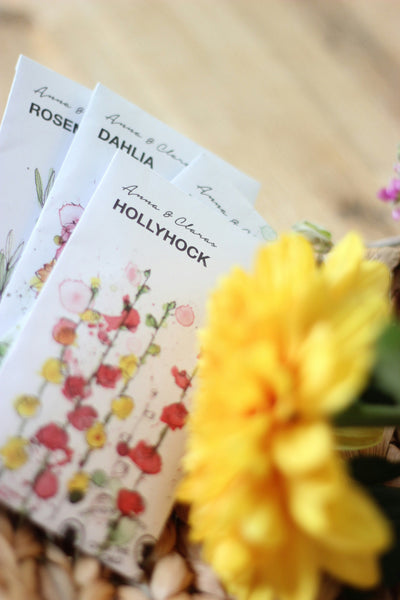
On the front of your packet, you will find the type of seed clearly written, with the variety in smaller text below.
*Handy hint* Did you know all of our seeds are colour coded? Pink packets are fruits, light green vegetables, dark green herbs and light blue are flowers.

Along with variety your front of pack includes a short description which can help you when you’re deciding what variety you want to grow. It also includes the seasons when you should sow your seeds (more on that later!).
Maturity dates is shown in weeks, whether that is weeks until harvest or weeks until flowering. This gives you an approximate timeframe of when you can expect flowers or harvests from your crops, as it will depend on growing conditions and your climate.
Hot Tip: Keep an eye out for any speciality logos on the front of your seed packets when you’re shopping.

What Do Fothergill's Specialty Logos Mean?
- The RHS garden merit award is carefully chosen for exceptional varieties that go above and beyond. These varieties have either unique qualities, exceptional flavour, colour, excellent disease resistance or other special features.
- Heirloom varieties are marked with this symbol for you to easily identify heritage seeds that have been naturally improved with selective growing techniques over many decades. These are popular among seed savers.
- The ideal for pots logo indicates the variety can be grown either in pots, containers or tubs and is suitable for smaller gardens.
- Anything with the cut flower icon is excellent for not only growing outdoors in the garden as a feature but is popular in flower arrangements for qualities such as longevity, scent, long stems or unique colours.
- The pollinator icon helps you choose varieties that encourage beneficial pollinators into the garden, whether that be bees, butterflies or other insects. Handy hint, if you spot this one on any herb varieties be sure you allow your herbs to go to flower if you have chosen them specifically for attracting pollinators!
Back of Packet
The back of your seed packet is quite important so don’t forget to check it over when you are getting ready to sow! It includes the following:
- Image of the juvenile seeds once they sprout, it can be helpful to reference if you are trying to decipher between your chosen seed and weed seedlings that pop up in the garden.
- Seed name and variety with botanical name listed below in italics. As common names are often used interchangeably between different plants it is important to show the botanical name for accurate identification and quarantine purposes.
- The back of packet also includes descriptive text on your specific variety which is helpful if you are choosing which one to grow for your desired size, flavour or cooking uses.

The right hand panel includes the following icons:
Sow depth: This is how deeply your seeds should be covered in soil. Some only require surface sowing and others like beans and corn will have a deeper depth. Pay close attention to this as seeds sown too shallow or too deeply for their requirements may struggle to germinate.
Spacing: This gives you an idea of spacing between plants, this is generally what seedlings are ‘’thinned out’’ to when you have lots of seeds sprouting in the same space. This allows you to choose the strongest plants and gives them enough room to grow and develop properly. If you are starting your seeds in trays or pots plant out your seedlings to the spacing listed here once they are ready for the garden.
Germination time: Each variety of seed will germinate in a different window. Some may take a week or two or even longer. Note that germination times are also influenced by environmental conditions such as soil temperature and moisture.
Height: This is an approximate height your plant will reach. Some taller varieties like climbing beans will need a trellis to climb and other varieties such as pumpkins are trailing and can grow across the ground.
Sun Requirements: Different plants require different amounts of sunlight. Generally speaking, full sun varieties will need at least 6-8 hours of direct sunlight to thrive. Some varieties do well in full sun or part shade so can be grown in a number of spots in the garden.
Life Cycle: This icon here refers to whether the plant is a perennial, annual or biennial variety. Most vegetables are annual or grown as annuals – completing their entire lifecycle in one year or one season. These will need to be replanted each year or the following season for more harvests. Perennial varieties are different, and can last a number of years in the garden without the need for replanting. Biennial is kind of inbetween, completing their entire lifecycle over two years and will need replanting after they flower and dieback.
Guide to Sowing Times
Along with sow seasons listed on the front of packet there is a map guide to sowing shown on the back. This is because seasons only give an approximate time for when is best to sow. Australia is a large country and as such is home to many different climates regions. The map is broken up into six different regions with tropical, subtropical, arid, semi-arid, temperate and cool climates shown. Note that this is a general guide and will not factor in microclimates and local areas (eg you may have more of a temperate or cool climate even in a subtropical region depending on the elevation of your property).
From left to right shows the seasons, Spring, Summer, Autumn and Winter for you to check out when to plant in your area.
Growing Steps
This is fairly straightforward and includes a few steps for you to follow from sowing, care and harvest tips. If you are needing further information, you can always scan your QR code on the back of your seed packet which will direct you to our website.
Well there you have it! The ultimate guide to reading your seed packet for success, we hope you gained some useful tips to use next time you are out and about in the garden sowing seeds.