









There’s nothing quite like snipping fresh herbs from your own garden, and with the prices of supermarket produce always on the rise, knowing how to harvest your own herbs is not only rewarding but also economical. Roll up your sleeves, grab your tool bag, and stick with Mr Fothergill’s as we cover when and how to harvest different types of herbs, and how to keep them fresh after harvesting.
How Do I Harvest Herbs?: Type by Type
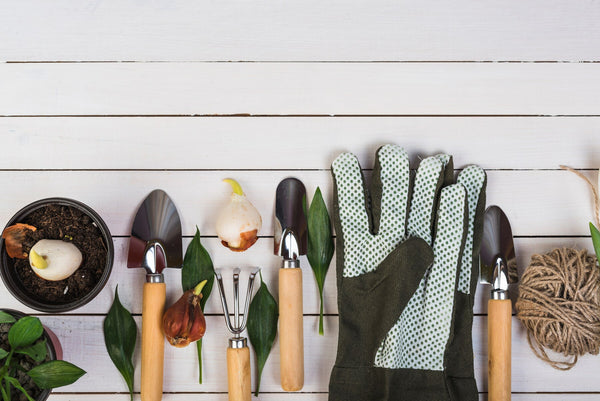
The beauty of herb seeds is that they grow and taste so differently, and they also require slightly different harvesting techniques. Before we delve into how each herb type should be harvested, make sure you have sharp, clean gardening tools at the ready.
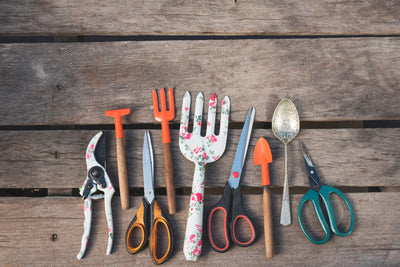
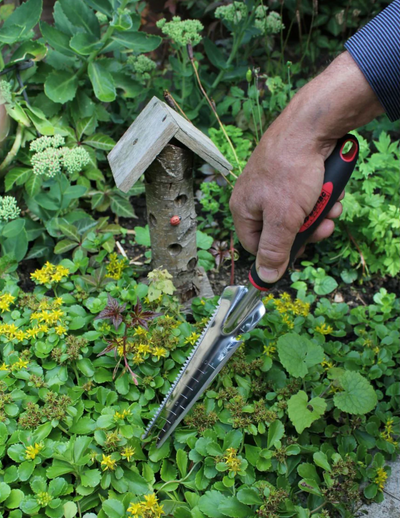
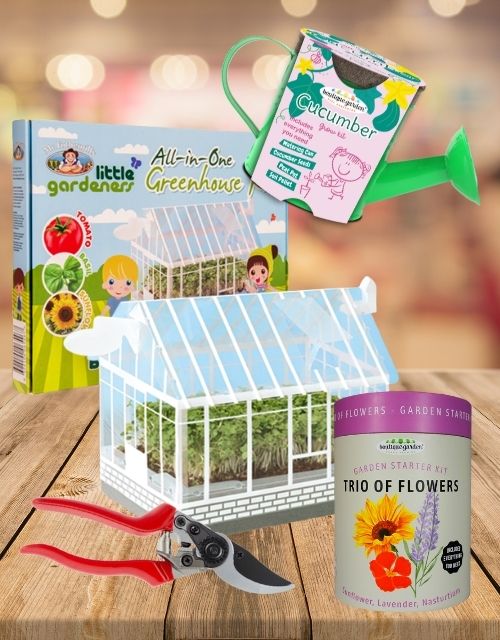
Blunt tools can bruise growing stems, preventing herbs from reshooting and negatively affecting the shelf life of freshly harvested herbs. We recommend using small tools for easy cutting, such as the Darlac Compact Snips.
How to Harvest Parsley and Other Ground Herbs
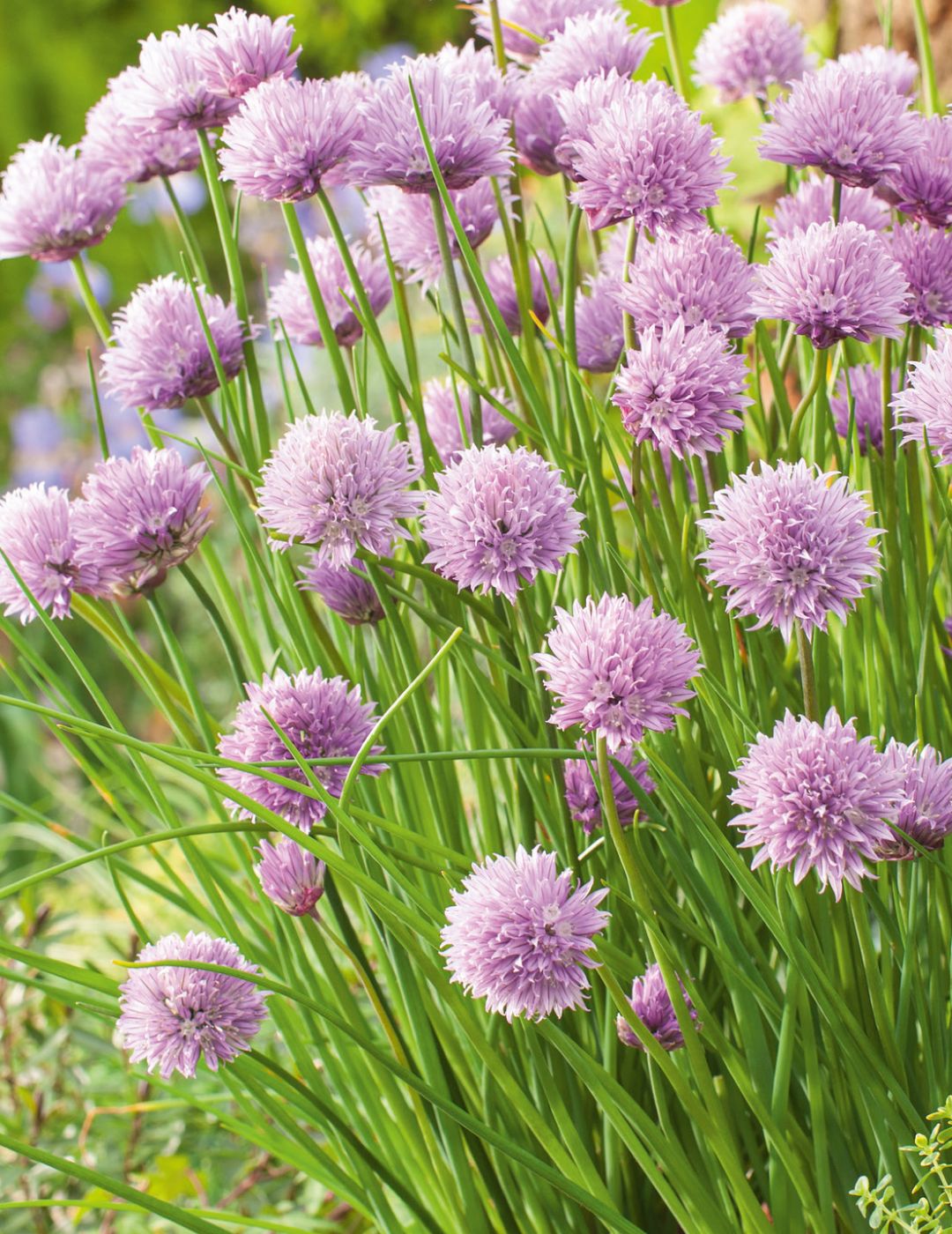
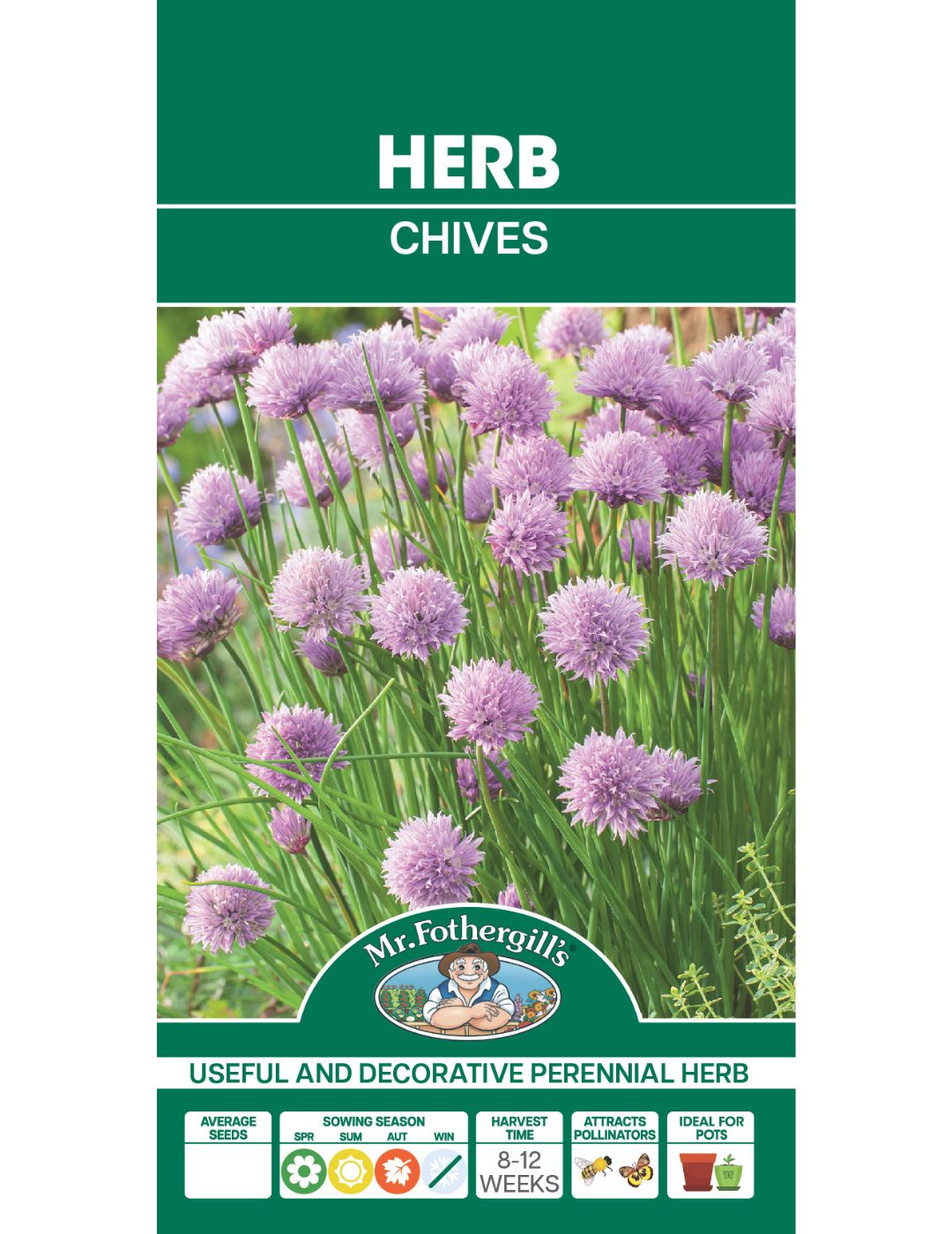
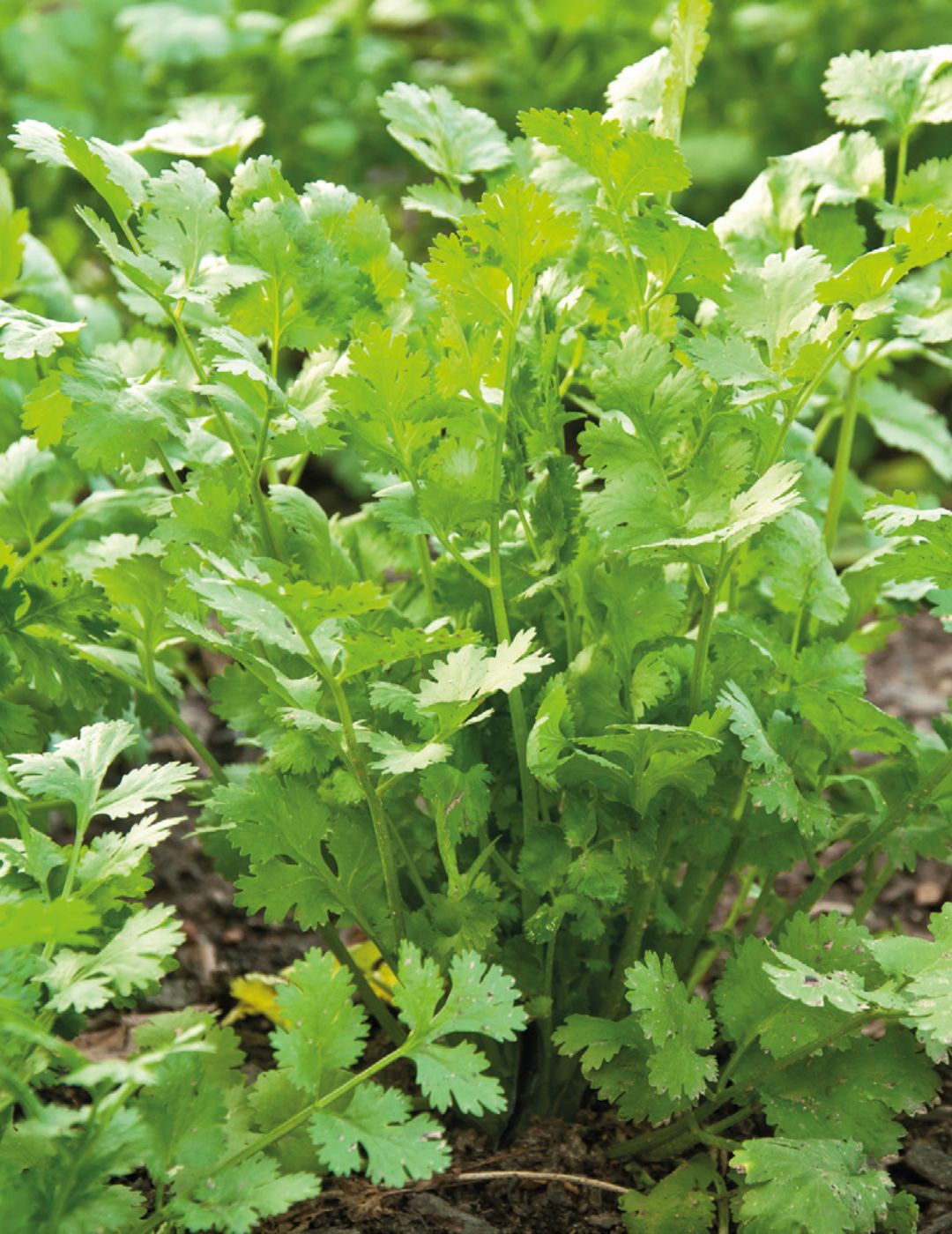
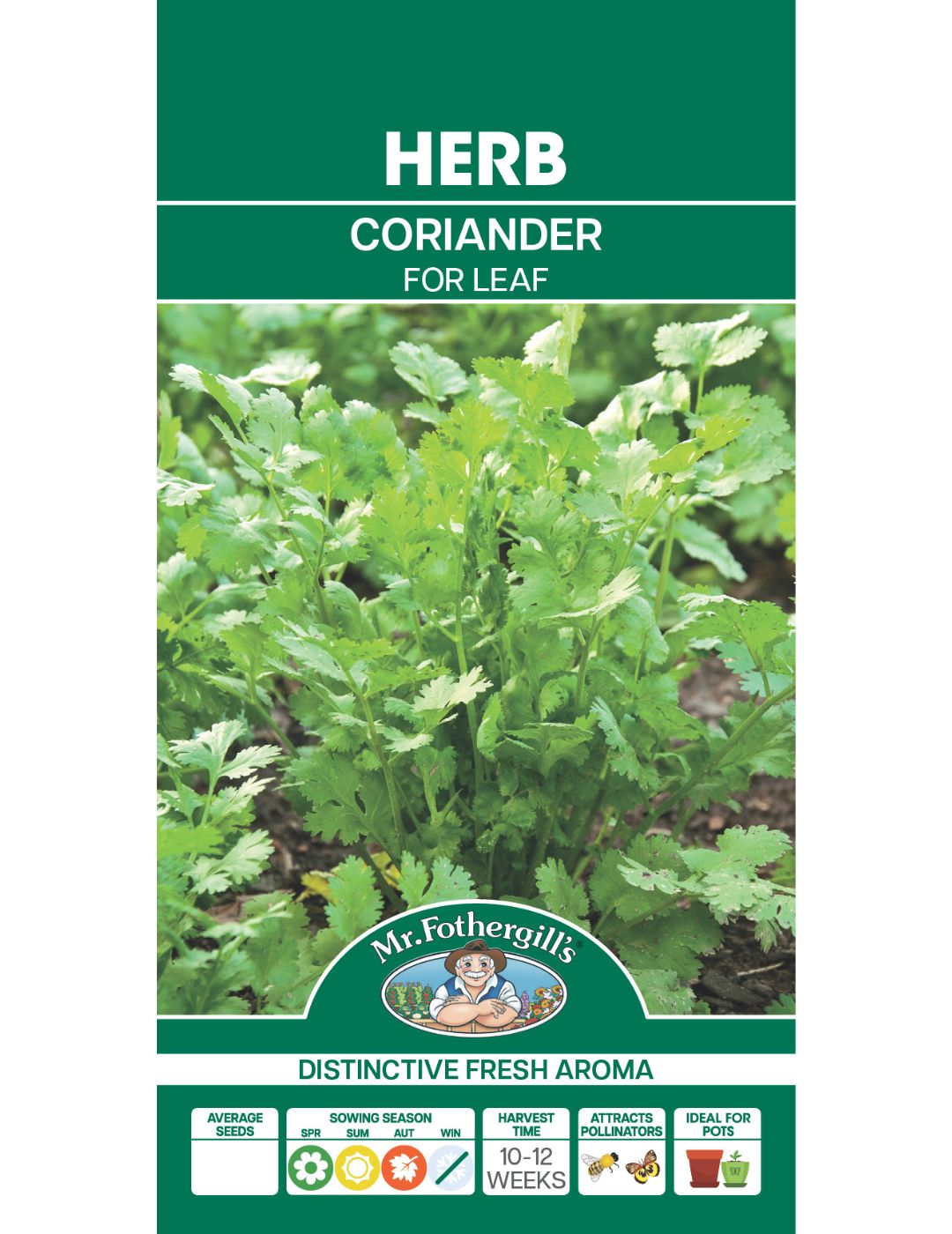
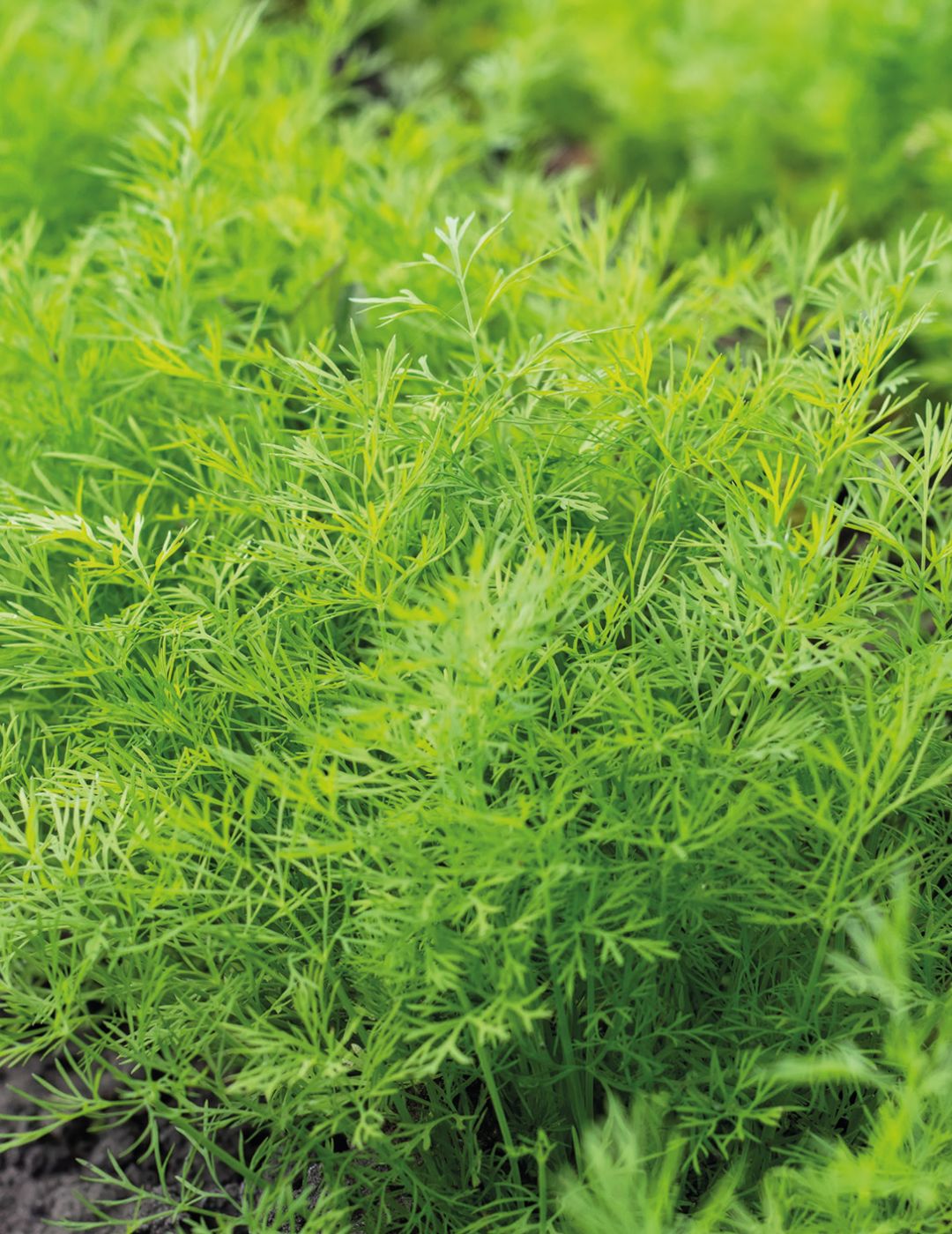
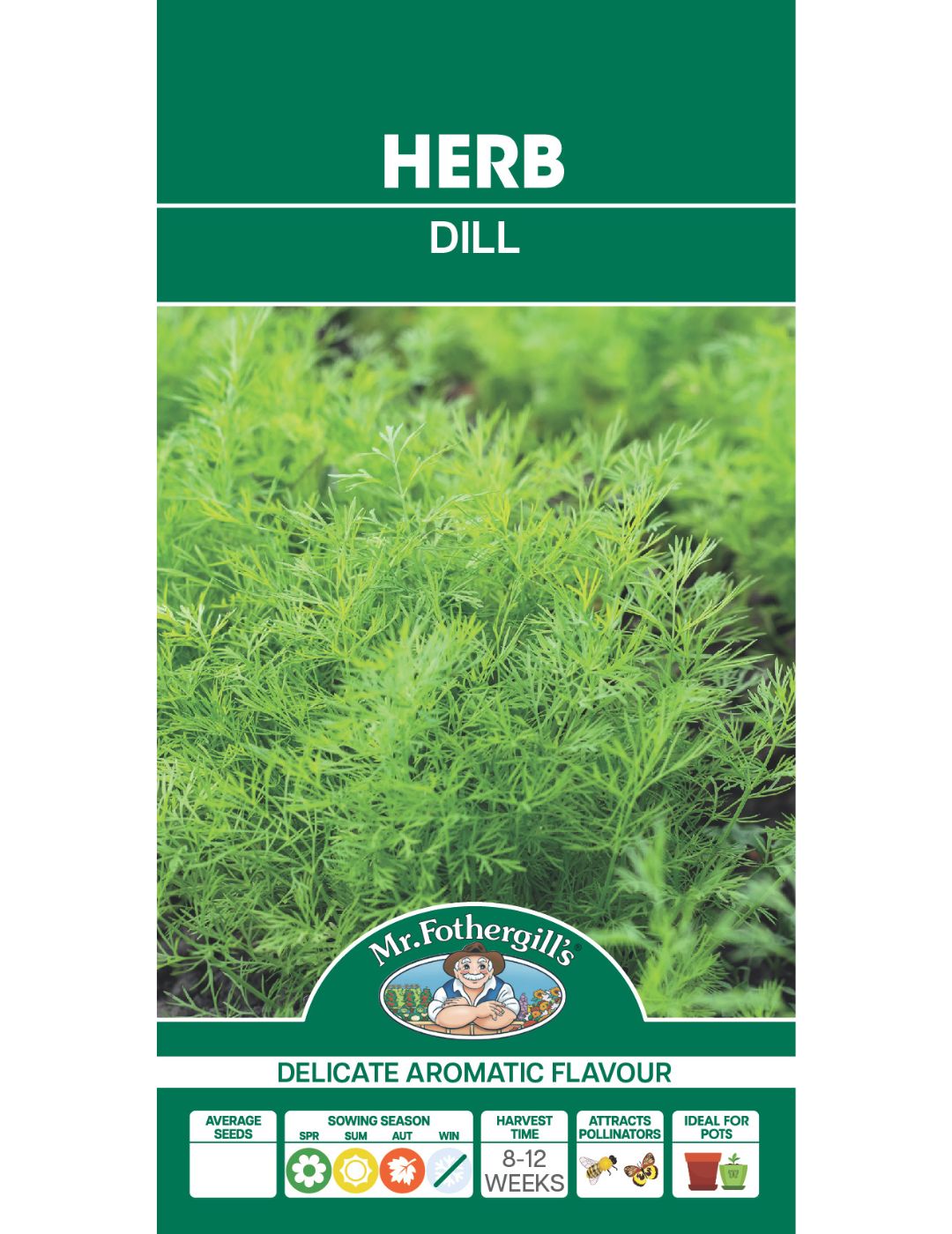
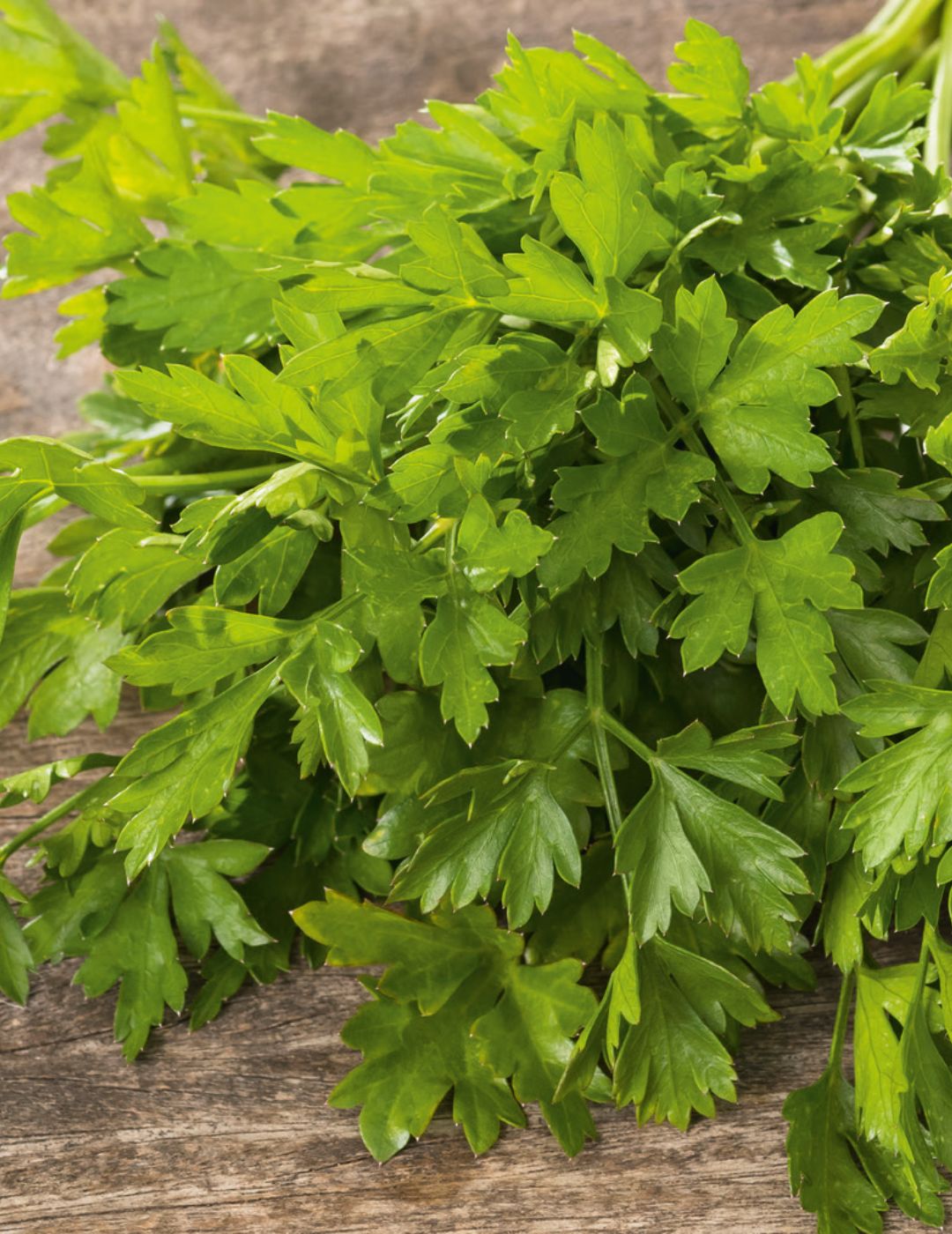
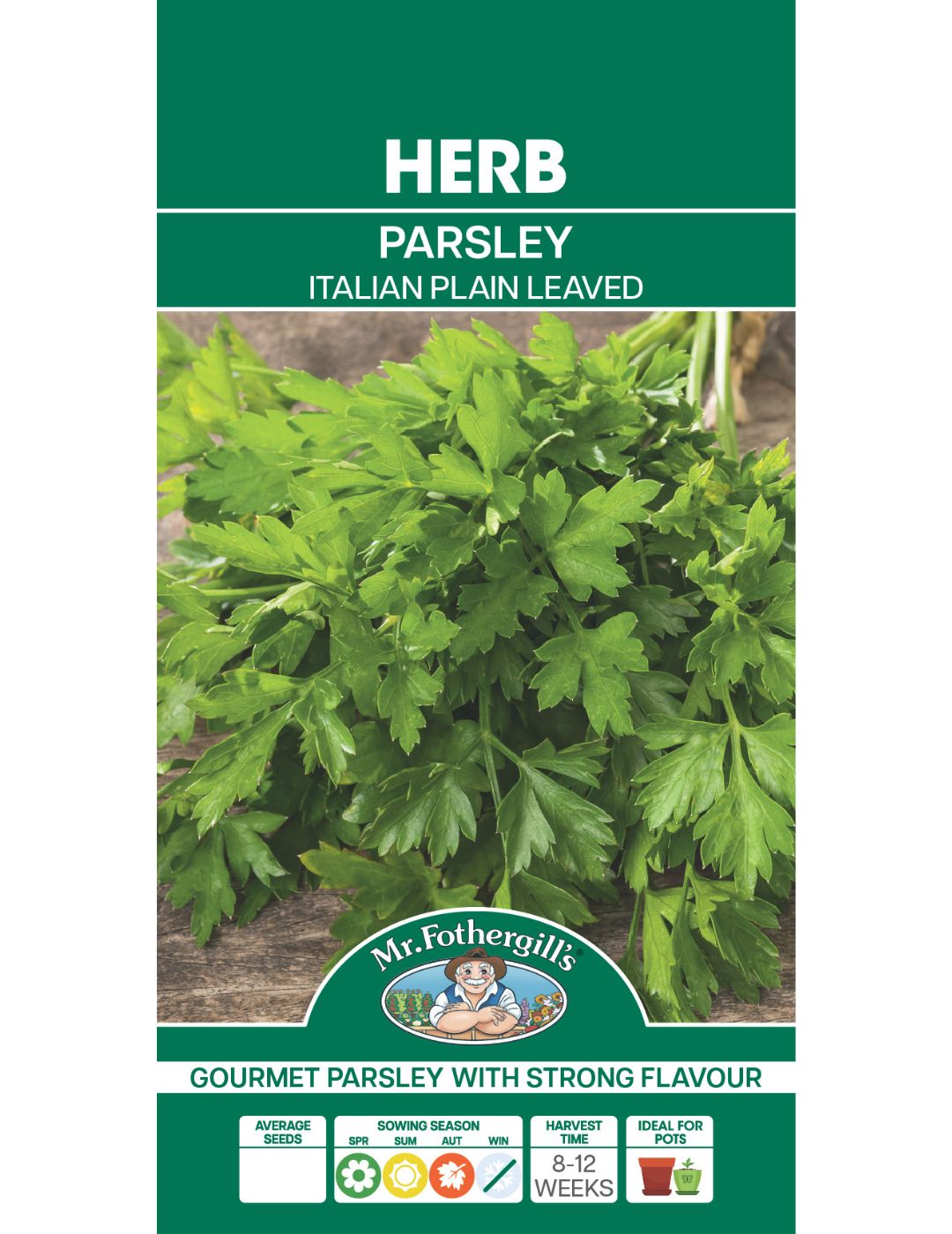
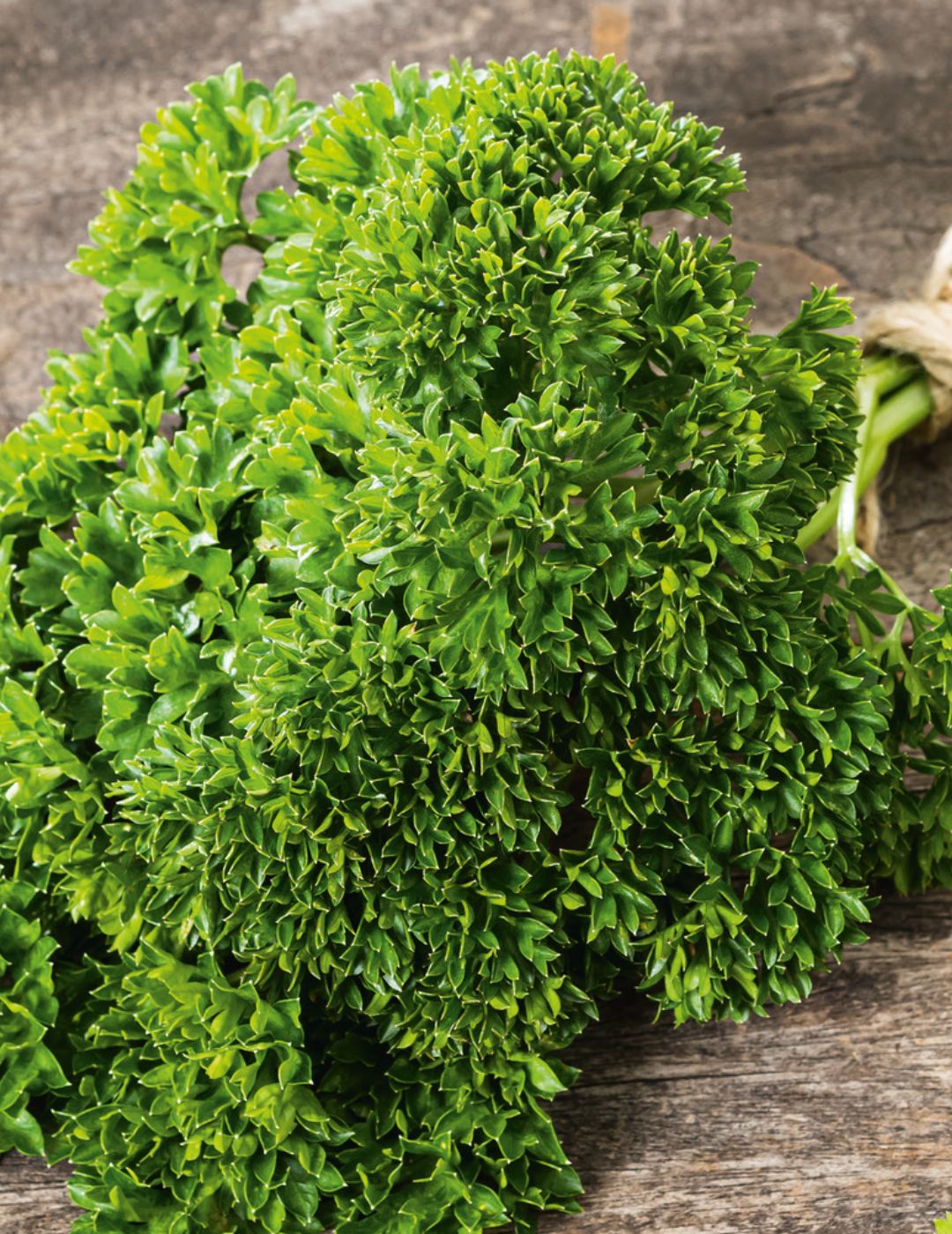
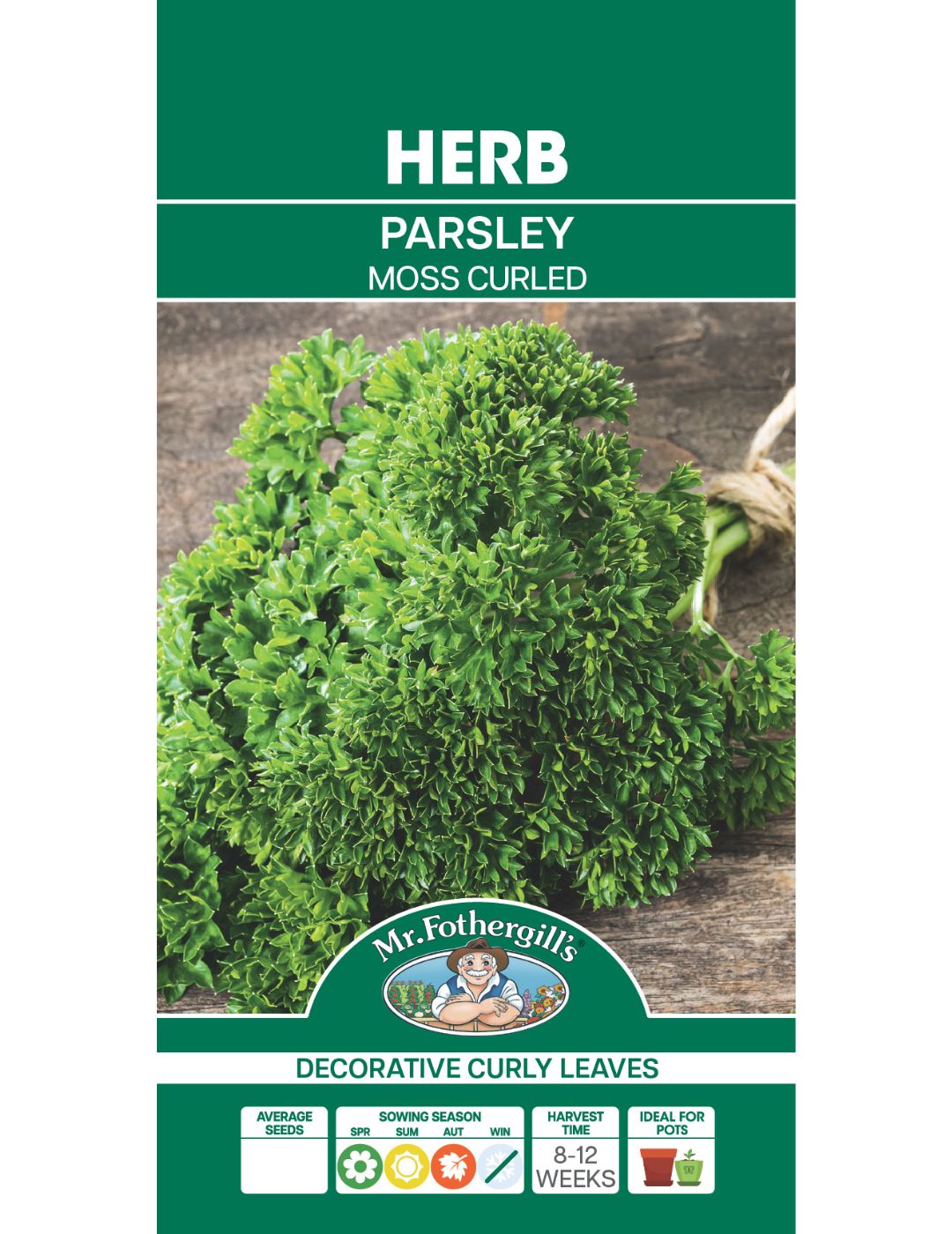
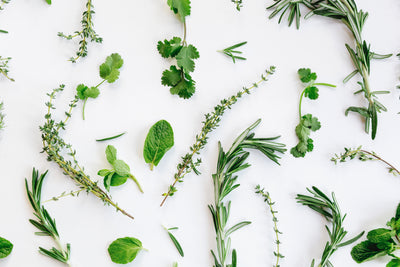
Parsley, along with chives, coriander, dill, and lemongrass, is a ground-shooting herb, with its stems shooting out from the base of the plant. These herbs are best harvested by cutting right at the base of each leaf you want to harvest. Start with the older outer leaves and leave the young shoots to grow larger for your next harvest.

How to Harvest Mint and Other Stem Herbs
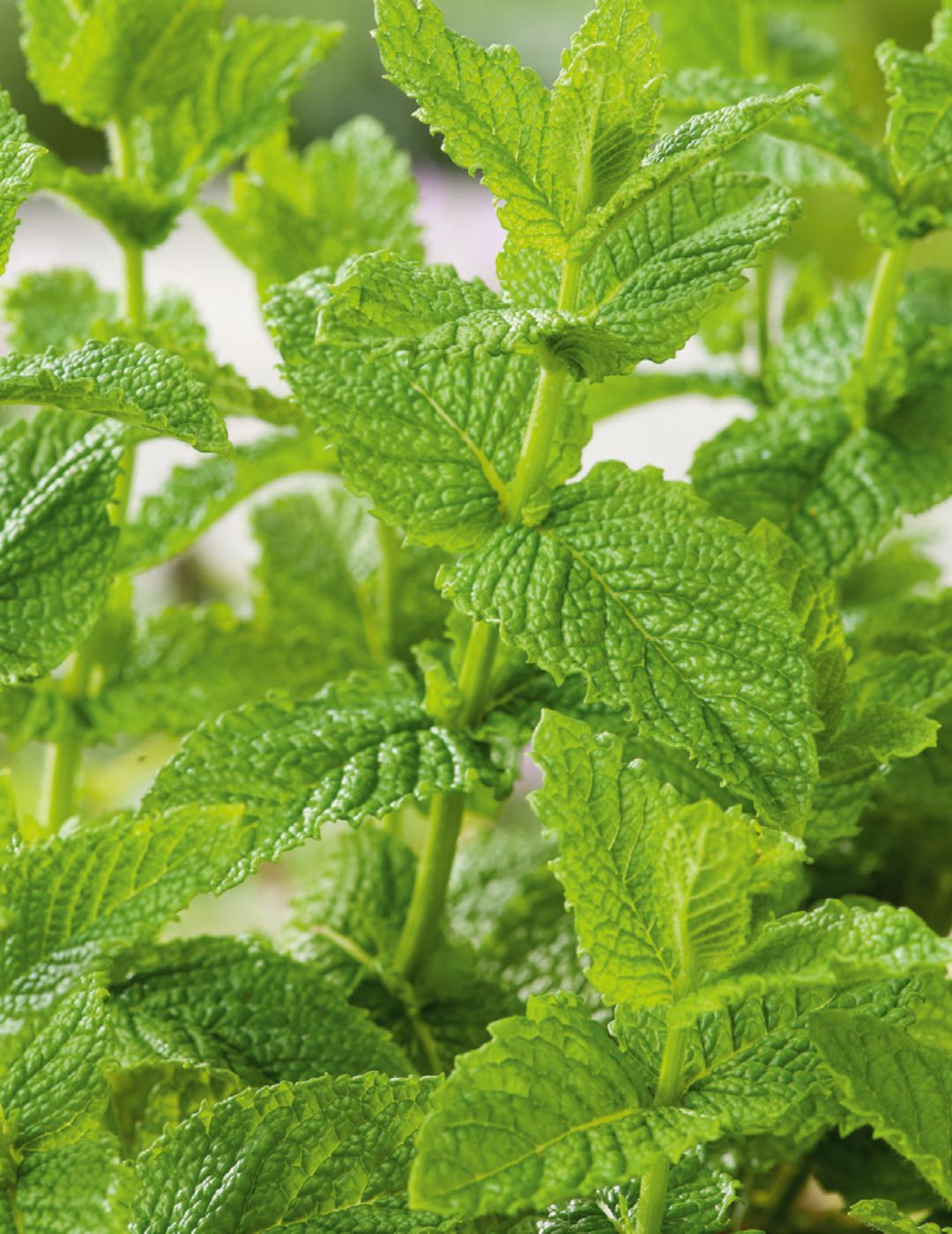
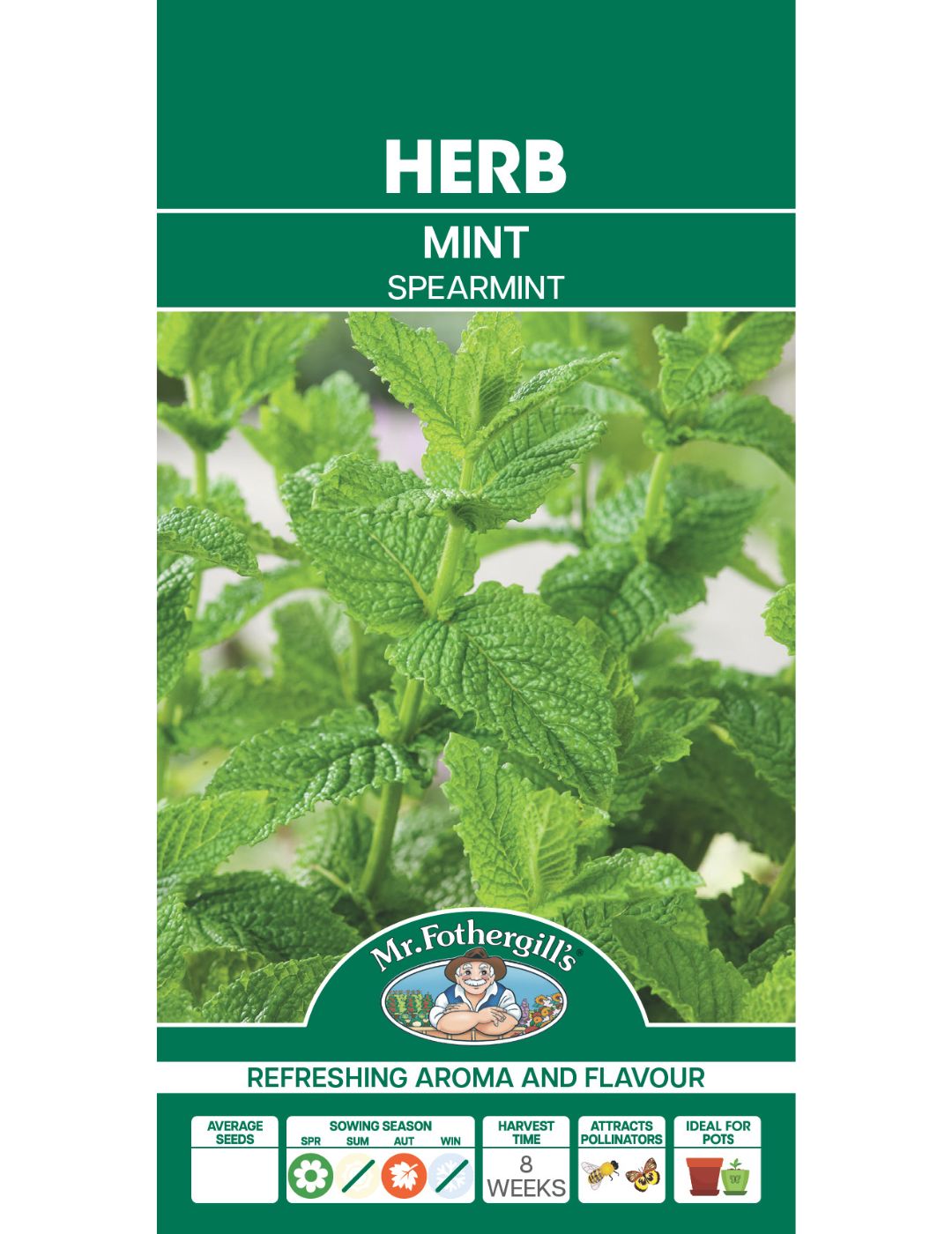
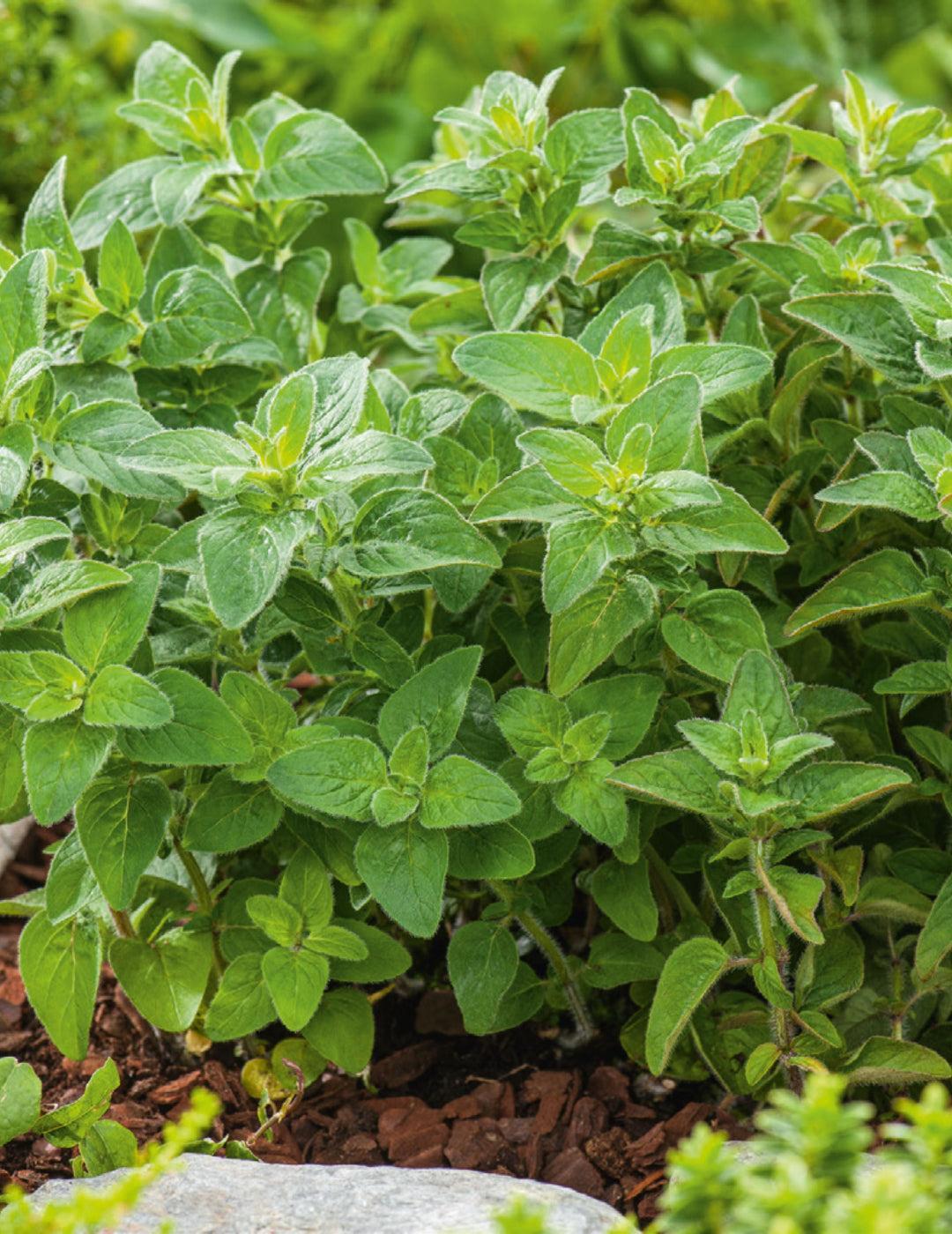
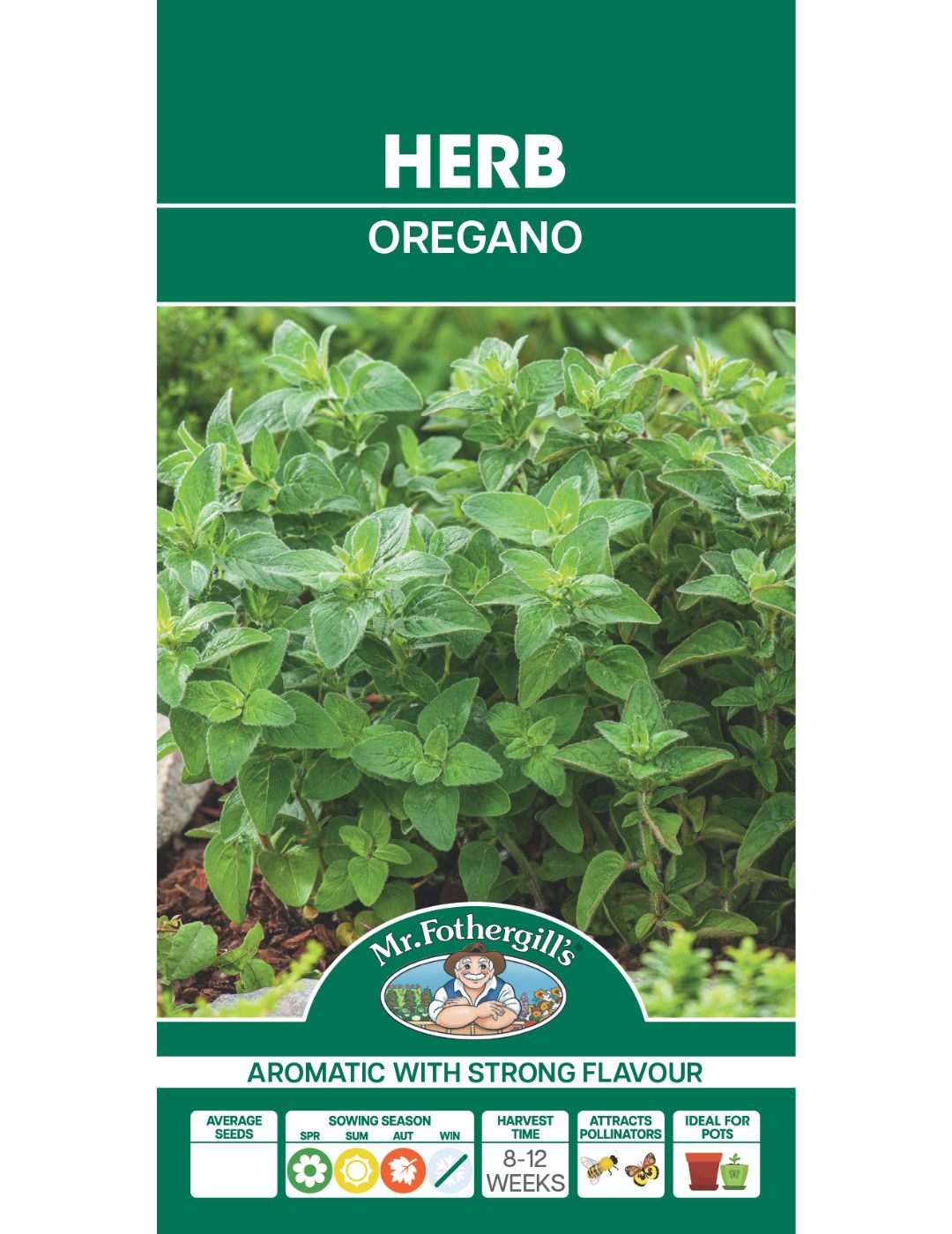
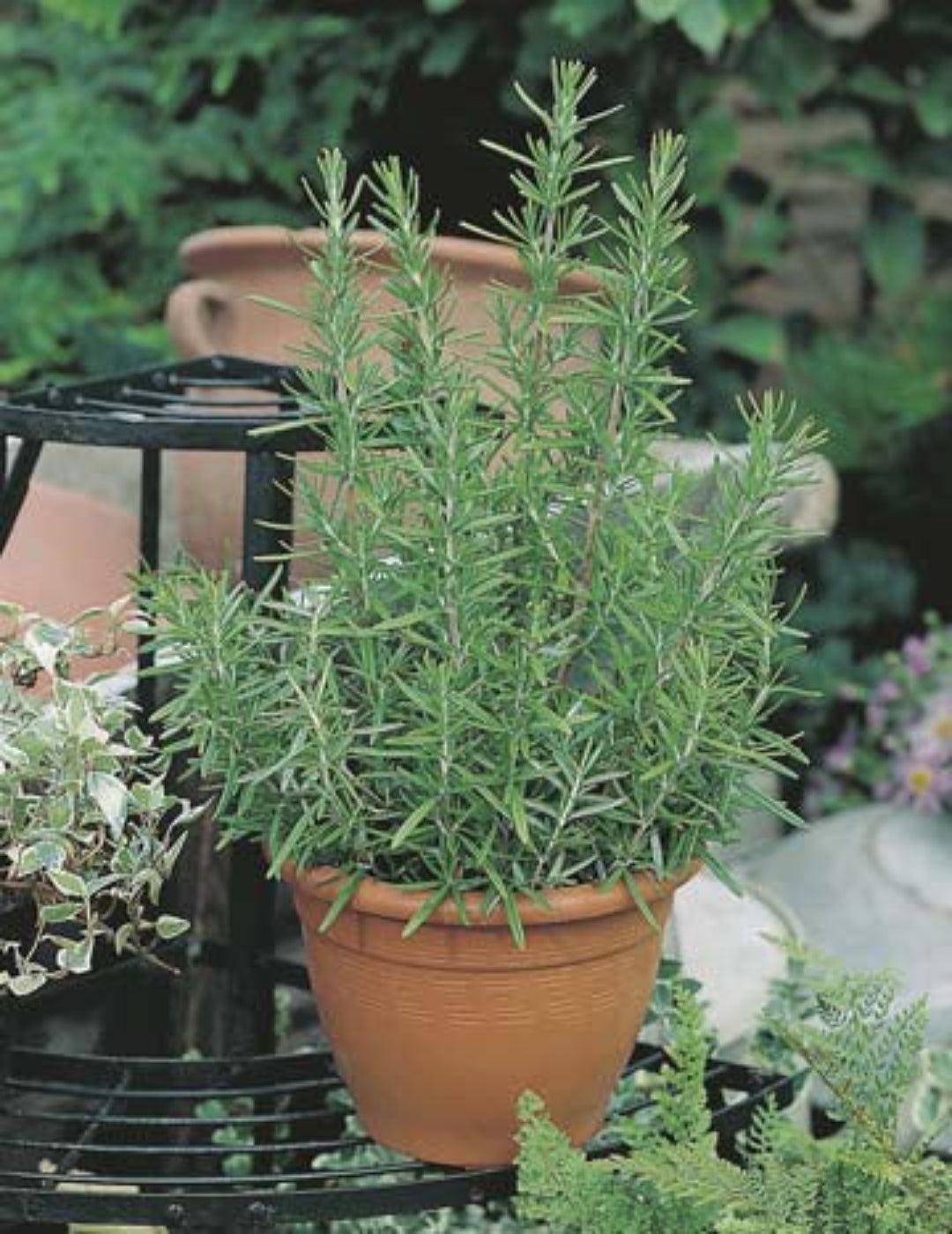
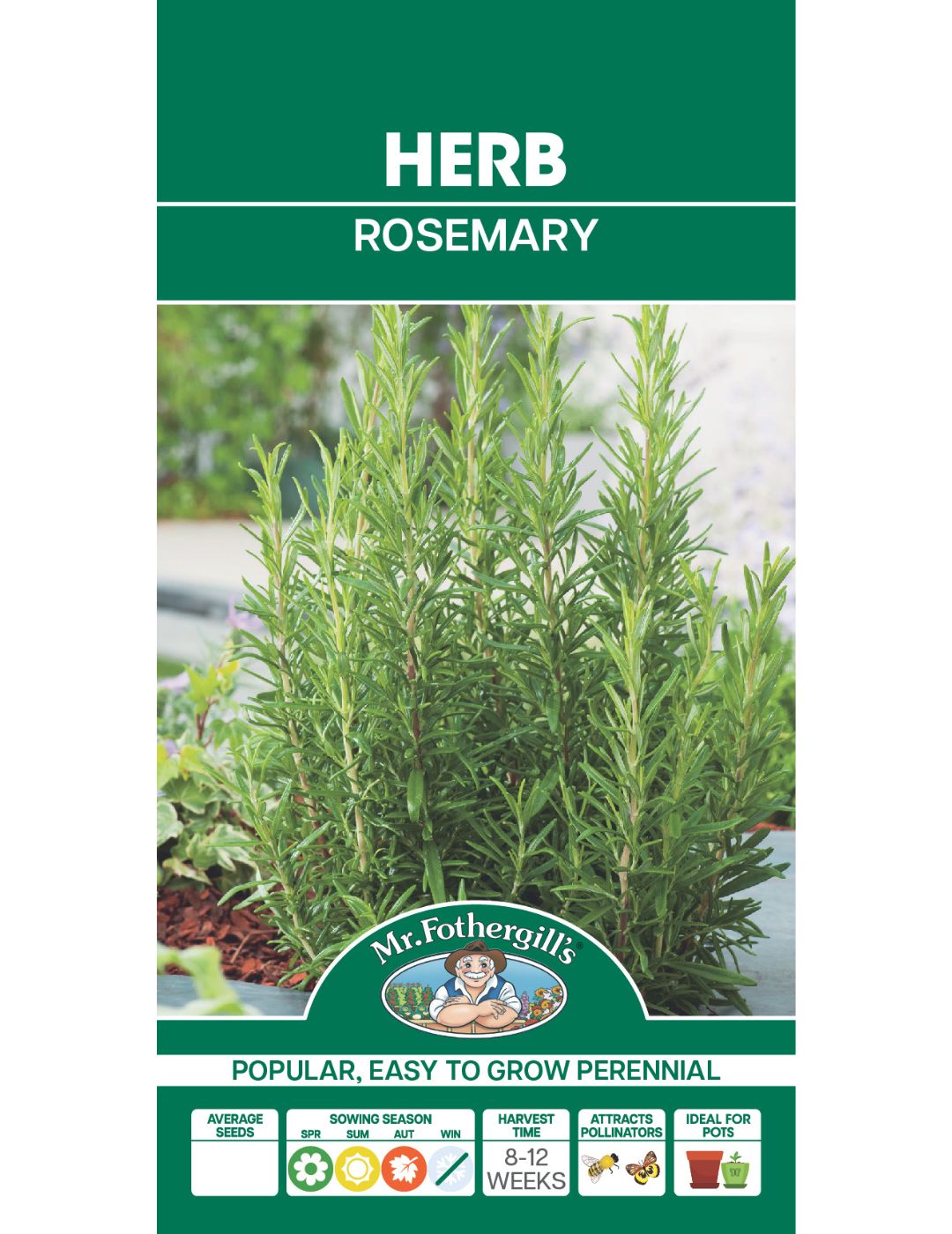
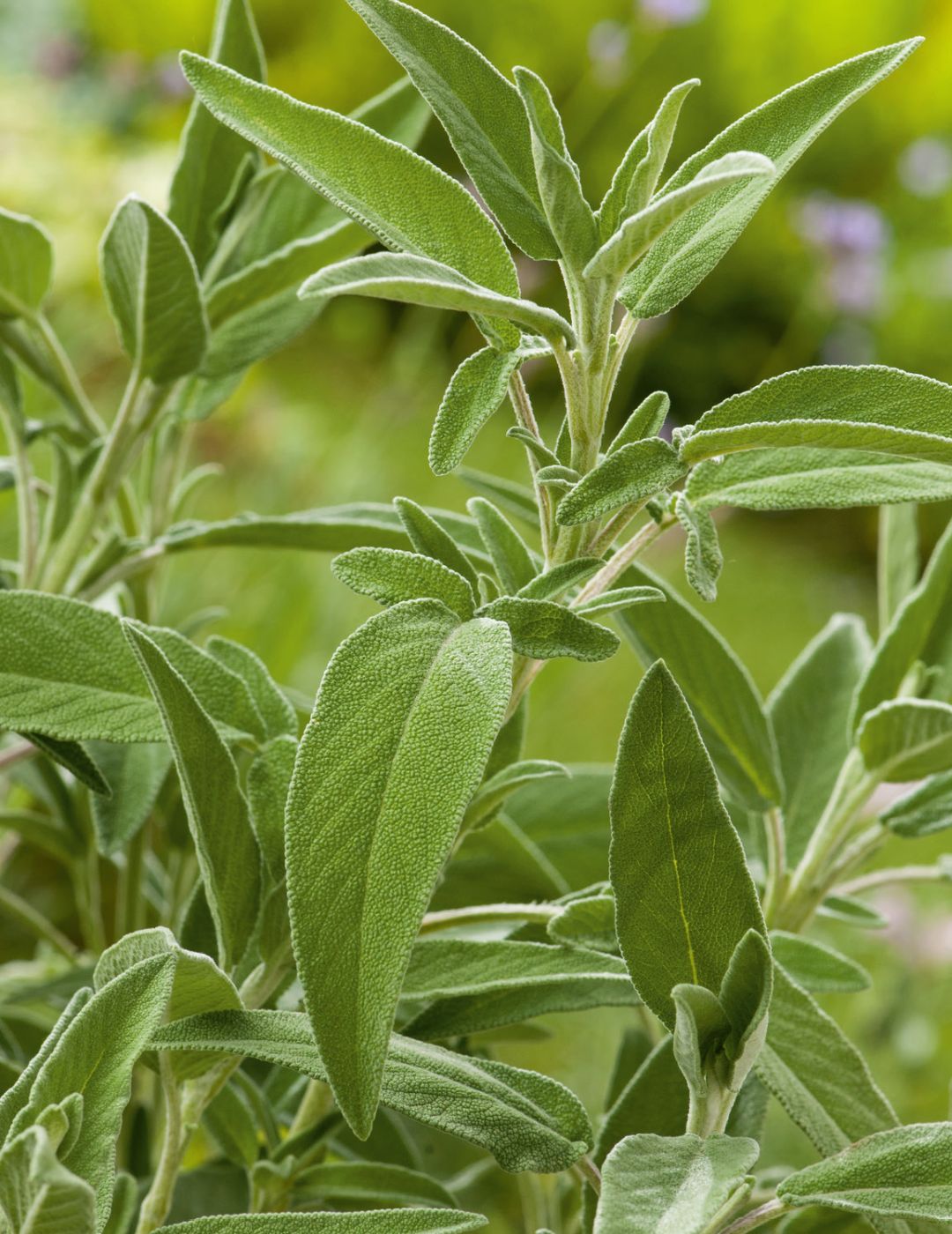
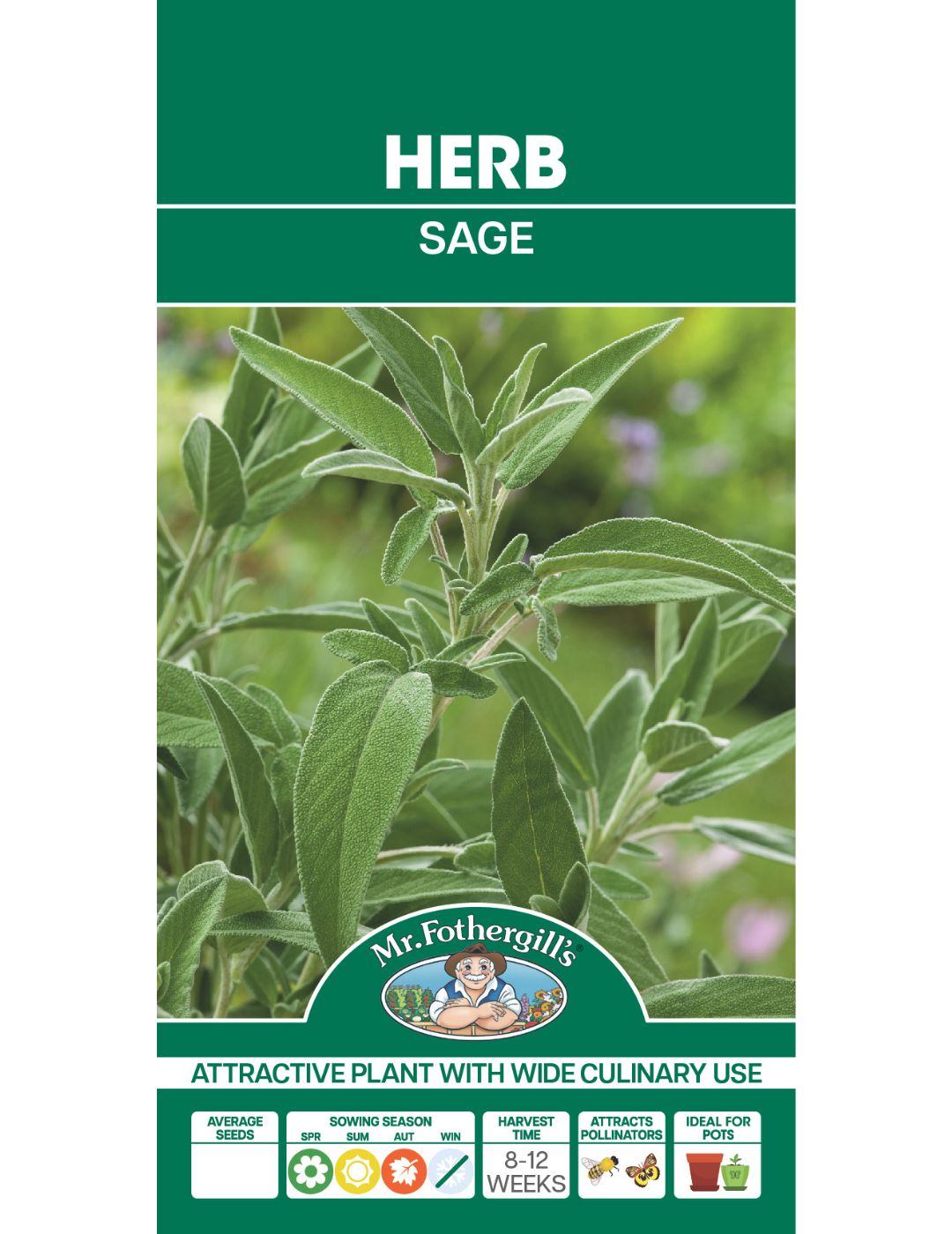
Mint, alongside thyme, oregano, rosemary, and sage, is a stem-growing herb. If not harvested, the stems of these herbs will grow taller and eventually flower. Cutting the stem just above a set of leaves is the best way to harvest these types of herbs. They will then produce side shoots, resulting in a bushier plant and more harvests for the future!

Spotting and Preventing ‘Bolting’
When herbs start to seed, a process otherwise known as ‘bolting’, they begin to focus their energy away from leaf production, turning their leaves bitter. This may deter you from harvesting any more from your plants, but there is a way to get a few more harvests from them before they lose their flavour.
For stem-growing herbs, cut the flower buds off as soon as you notice them appear. This will buy you a few more weeks of harvesting. For ground-shooting herbs (particularly parsley, dill, and coriander), keep an eye out for early bolting signs, such as the plant developing a thick central stem and the leaves on this stem becoming much finer. Cut this flowering stem out at the base as soon as possible to buy yourself a few more weeks of harvesting.

Timing Is Everything: When to Harvest Herbs
Now that you know how to harvest your herbs, when should you do it? There are a few key principles to stick to here to ensure the best flavour and future harvesting success:
- Herb Maturity: You should harvest no more than a third of an herb’s leaves at one time, so ensure your plant has developed enough leaves to be worth it. We recommend waiting for at least 5 to 10 leaves.
- Dryness: Harvesting wet leaves can increase the chances of mould ruining your herbs and shorten your leaves’ storage life, so wait a few days after rainfall to harvest.
- The Morning Rule: Earlier in the day, herb leaves will have their highest essential oil concentration, improving flavour and preservation.
From Garden to Kitchen: How to Keep Herbs Fresh After Harvesting
Once cut, you want your harvested herbs to last for as long as possible, but how do you do it? At Mr Fothergill’s, we’ve got some essential tips to ensure your herbs maintain their flavour:
- A Quick, Cold Wash: Give your leaves a short, sharp rinse in cold water before storing. This removes any surface debris or bacteria from the leaves that might accelerate decay. Just make sure you dry them afterwards to prevent mould or slime.
- No Sunlight: Exposure to the sun can cause leaves to yellow within just a few days, so keep them in a dark spot.
- Zip-lock Bags: To prevent oxygen from turning leaves brown prematurely and help them last longer, try wrapping them in a paper towel and enclosing them in a sealed plastic bag.
- Storing Like Flowers: If you have the vertical space available in your fridge, try standing your herbs upright in a cup of water, like you would flowers in a vase. Placing a plastic bag over the top will help keep your leaves fresh longer.
Harvest Your Own Fresh Herbs With Mr Fothergill’s
Grow, harvest, and enjoy your own delicious homegrown herbs with the help of Mr Fothergill’s. Now that you know how and when to harvest your favourite leaves, as well as how to keep them fresh for as long as possible, browse our full herb seed range and start your lush herb garden today! Want to learn more? Check out our guide on the best herbs for indoor gardens, or feel free to contact us with your questions.