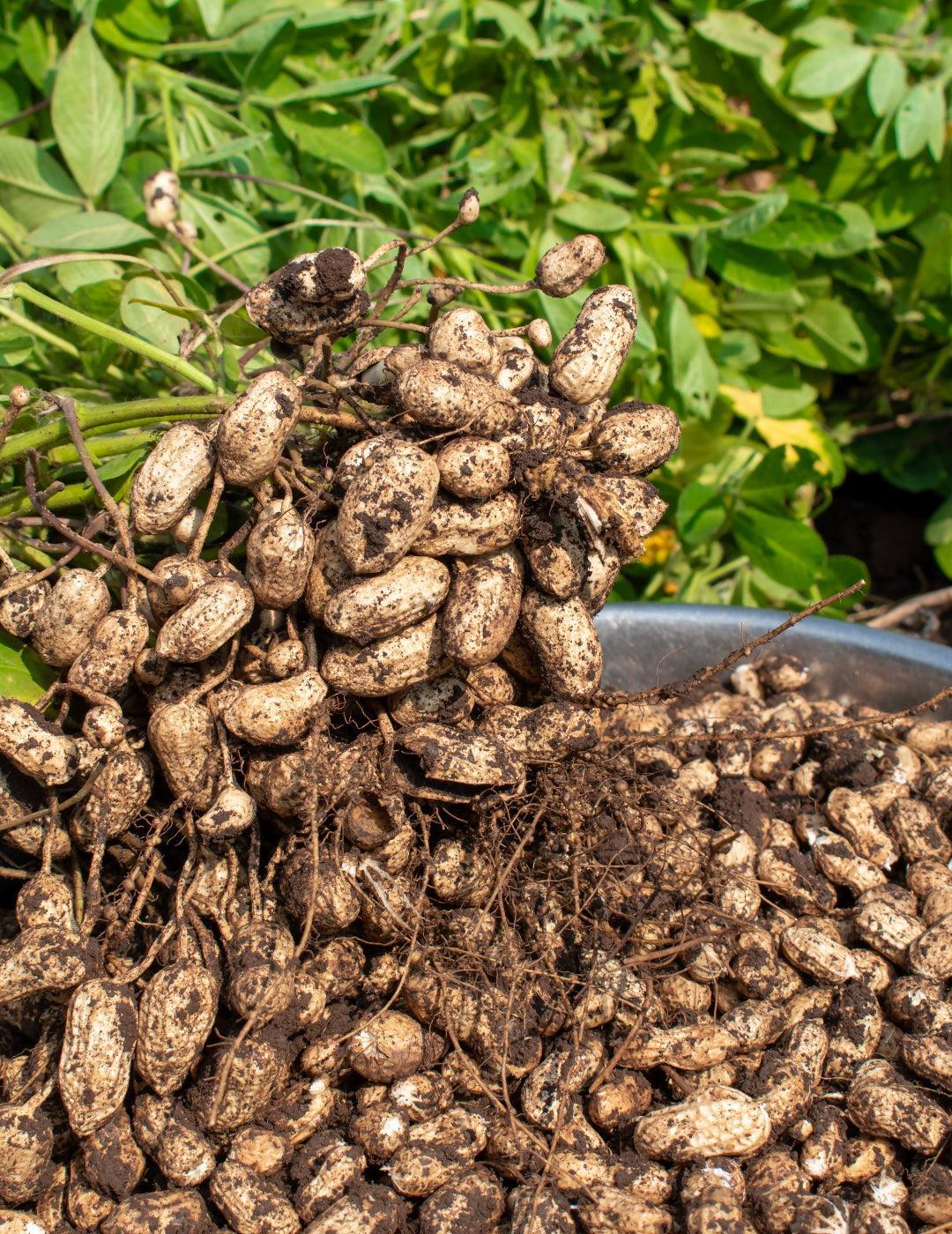




The most important step of peanut harvesting is waiting long enough, until the plant begins to yellow and die back after about 4-6 months. It is similar in how potatoes are grown, as the yellowing of leaves indicates the plant has come to the end of the growing season and has directed all the energy from the plants leaves into formation of peanuts below.
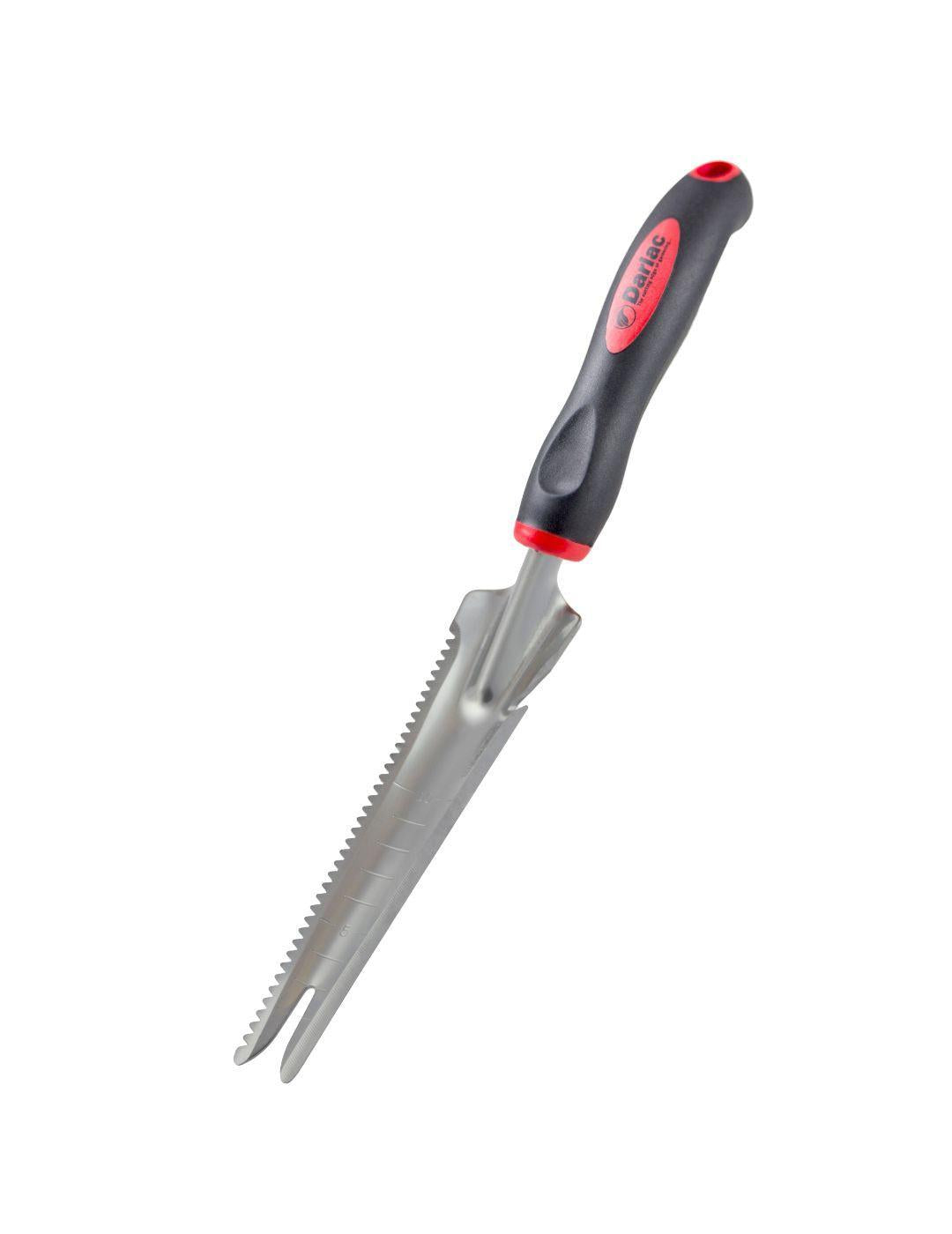
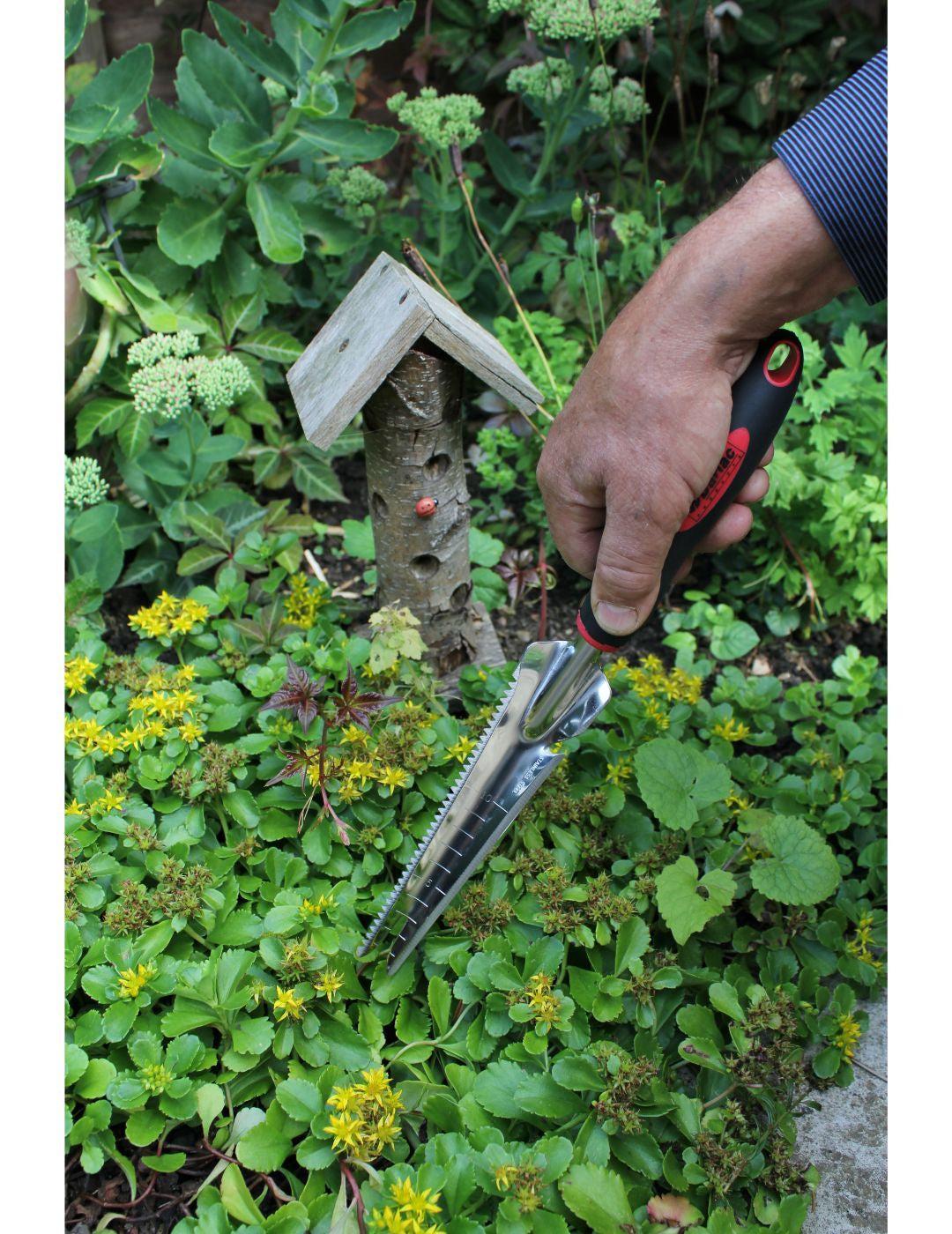
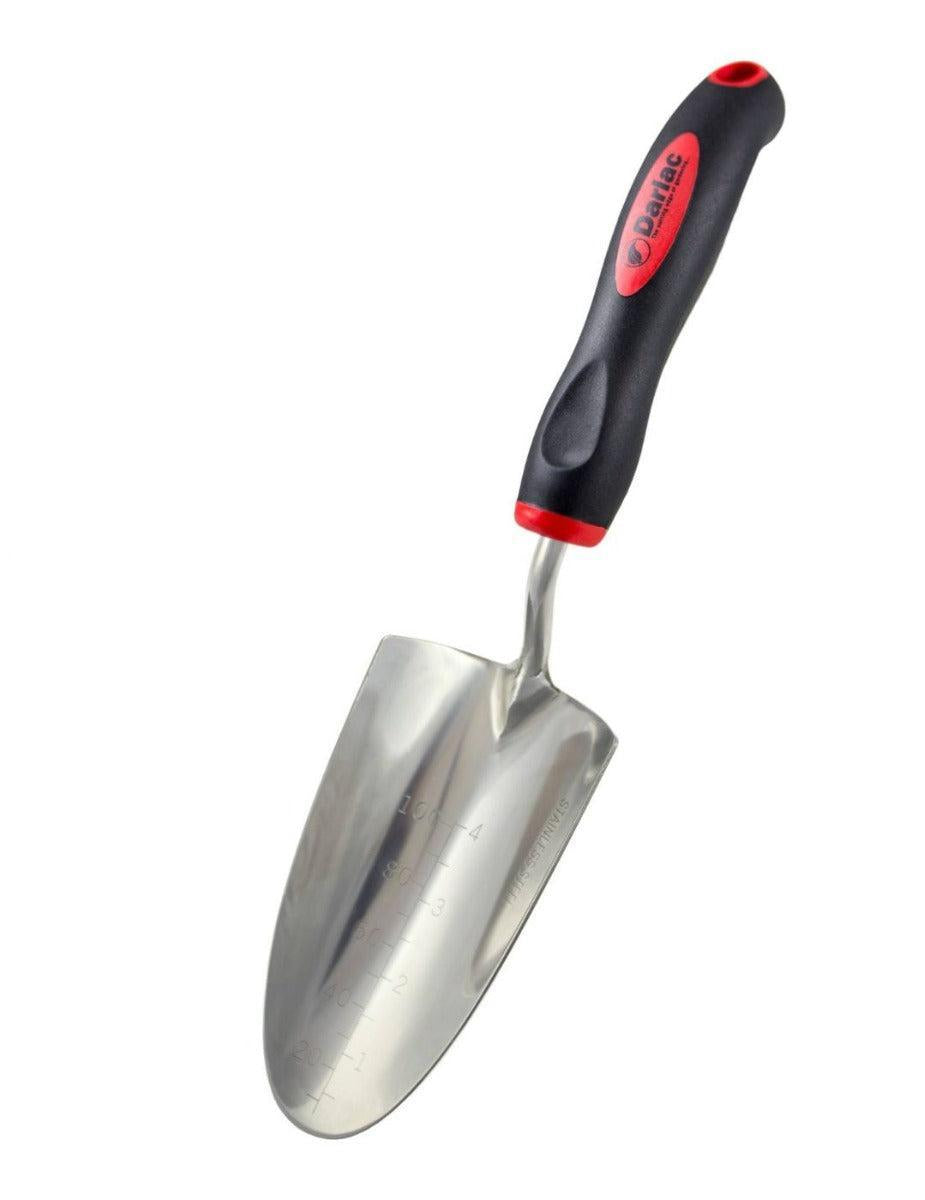
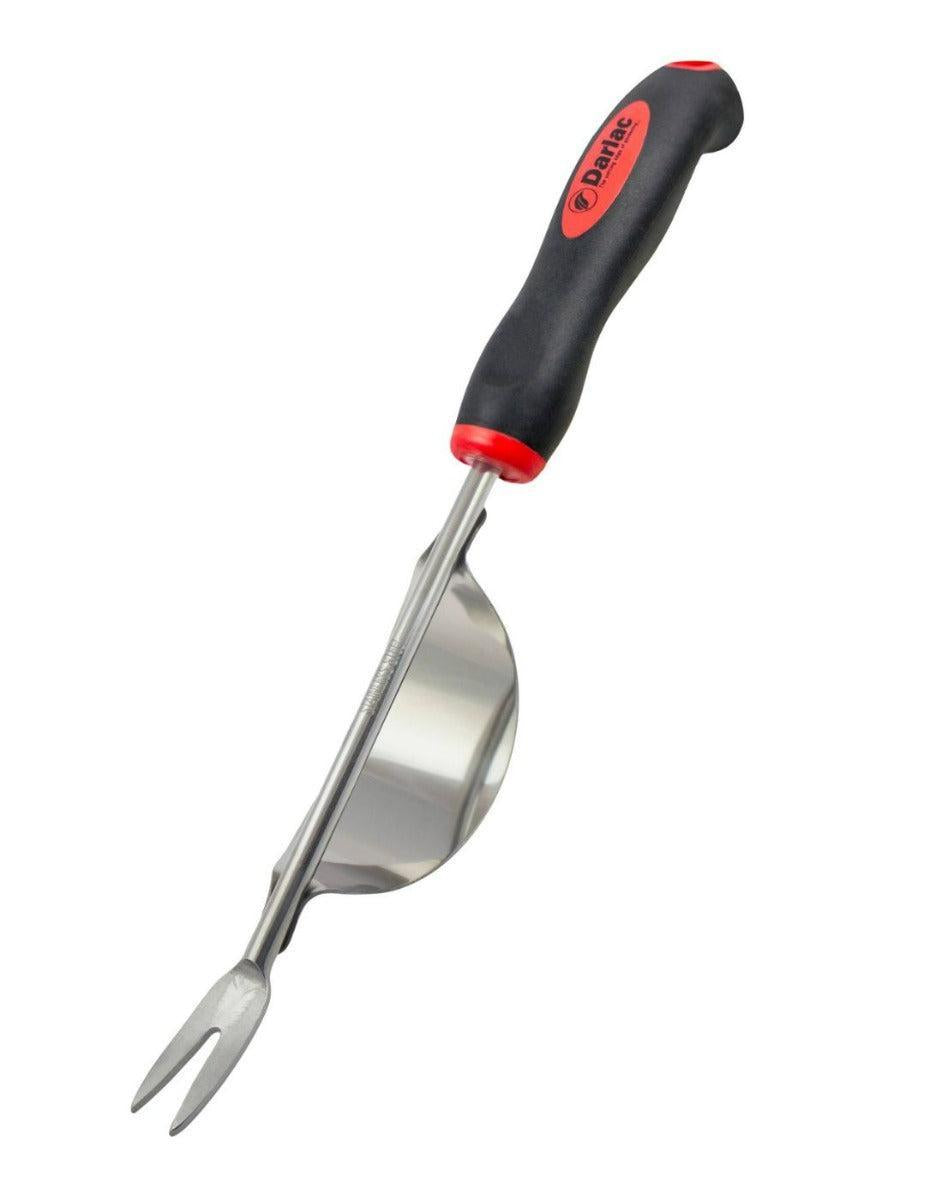
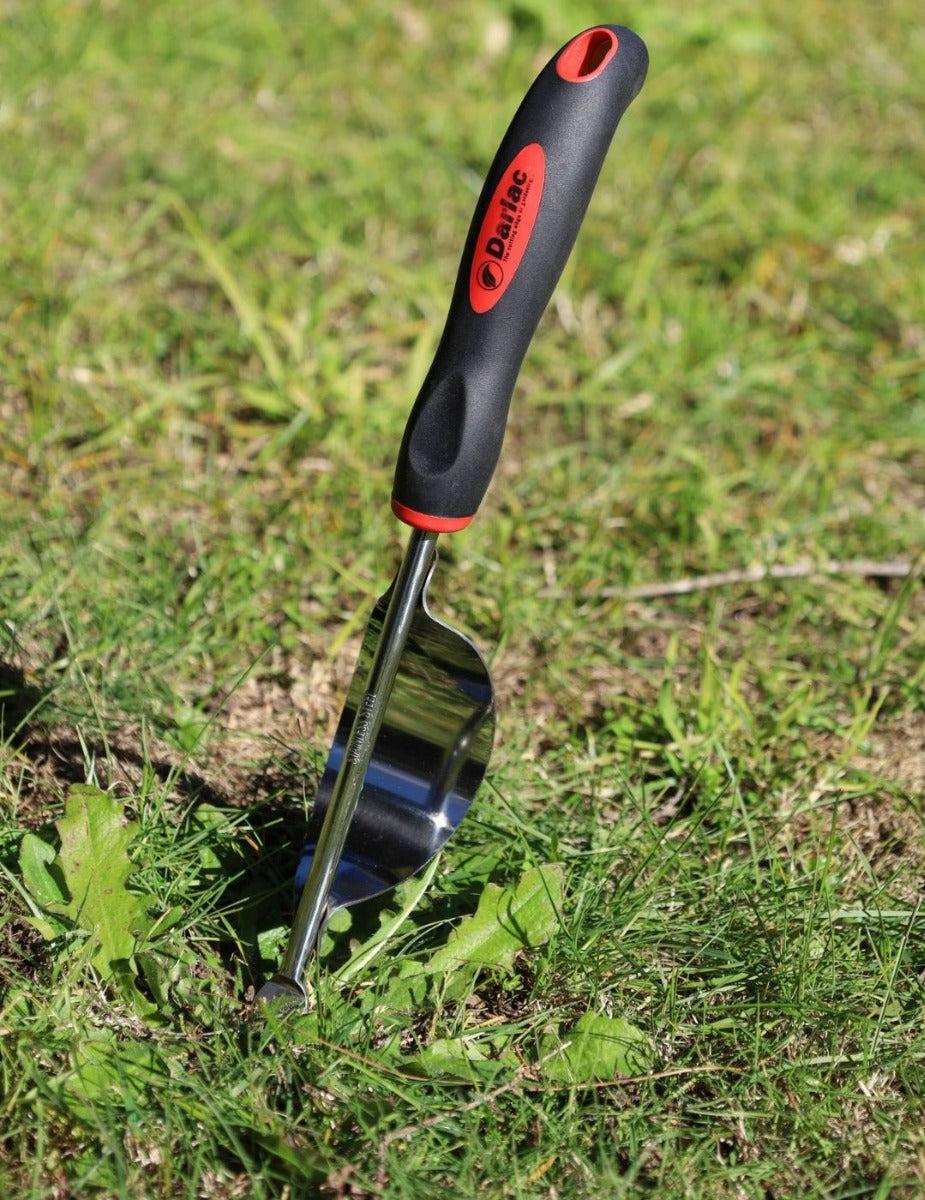
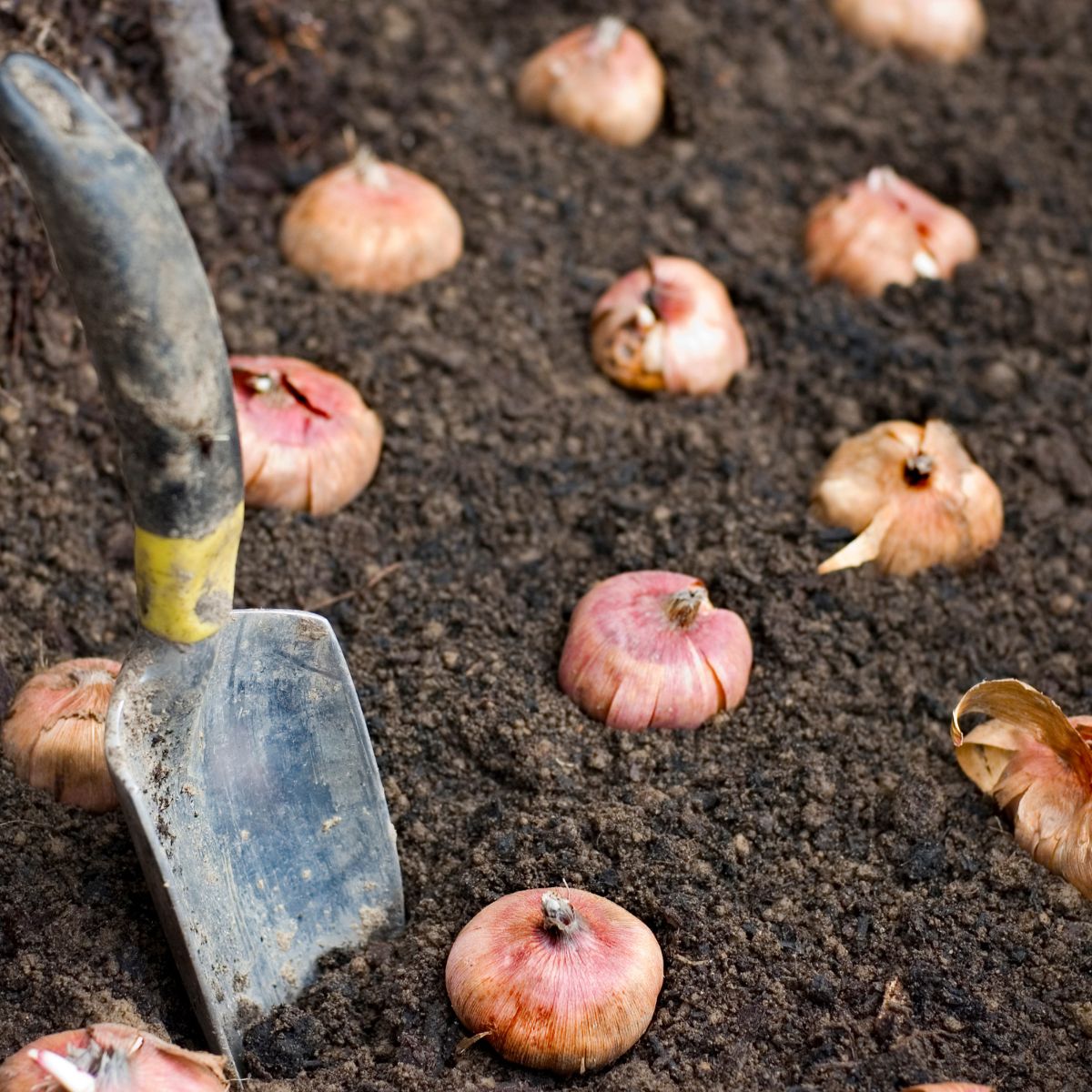
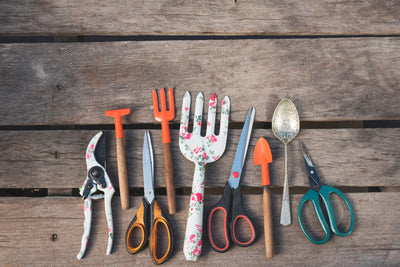
Once you notice these signs it is time to check underground, to see if the plant has matured. Dig around the base of one of the plants and locate the peanuts. The shells will be a creamy brown colour (not green) and have intricate veins on the surface. If all looks good and the peanut inside is no longer white in colour begin to remove the whole plant. You may need to use a garden fork to gently loosen the soil and then lift out the entire plant including the roots and nuts.
Now comes the time for drying your crop. Brush off any excess dirt and lay or hang the plants, peanuts and all in a dry, airy spot for a few days. Once the plants have sufficiently dried out you can start removing the peanut shells from the plants. Allow these shells to further dry for a few weeks before storing in the pantry.
*Handy tip* Don’t throw out the dried plants, they make excellent mulch or compost and will add nutrition back into your soil!
It’s as simple as that! You can turn your homegrown peanuts into tasty peanut butter by removing the shells and papery layer inside and then lightly roasting in the oven. Blitz the roasted nuts in a high-speed
blender or food processor until your desired consistency. You can also enjoy them as a simple snack to shell and eat just as they are, or roast and lightly salt them for that classic taste.