











As a staple of so many incredible meals, bean seeds are among the most popular veggies among Australian gardeners. Rich in protein, full of flavour, and easy to grow, beans truly are a super vegetable, and that’s why Mr Fothergill’s has put this guide together to help you grow your very own. We’ll cover how to grow beans, when to plant them, what to plant alongside them, and some of our favourite varieties.
When to Plant Beans in Australia
Before exploring how to grow beans, we should clarify the best time of year to do so. This will vary depending on where you live in Australia, so let’s break it down for each region and climate:
- Temperate & Cool Zones: Across areas including Melbourne, Sydney, and Adelaide, beans should be planted between September and January. This period between spring and summer capitalises on the warmth of the soil.
- Subtropical Zones: In locations like Brisbane and Coffs Harbour, the warmer weather extends the period for bean planting from September to March.
- Tropical Zones: Where the weather is consistently warm, such as in Darwin and Cairns, beans can be grown year-round. We do, however, recommend the period between March and October, as this will provide sufficient growth time before the wet season begins.
How to Grow Beans
Once the ideal sowing period has been identified, you can begin preparing for planting. Learning how to grow beans is made simple with Mr Fothergill’s trusted step-by-step guide for preparing, sowing, and caring for your seeds.
Step 1: Preparation and Sowing
To begin, ensure that your planting area is ideal for bean growth. These seeds require plenty of sunlight, as well as some partial shade in hotter regions, so ensure you pick a spot in the garden that caters to this need. Other considerations include ensuring you pick a spot where you can install supports for your beans, as they are known for their considerable vertical growth, and an area of soil that’s deep, pH-neutral, and organic.
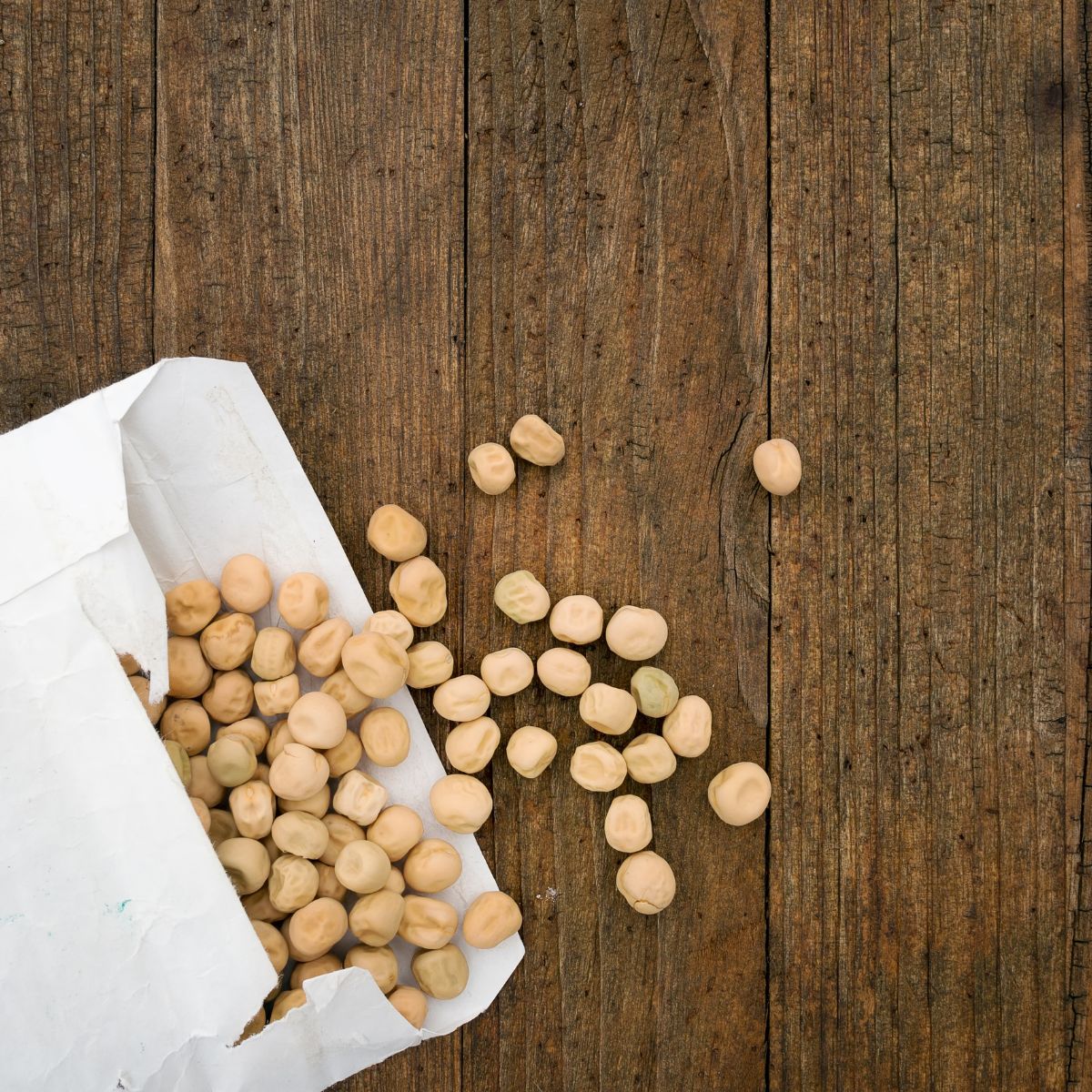
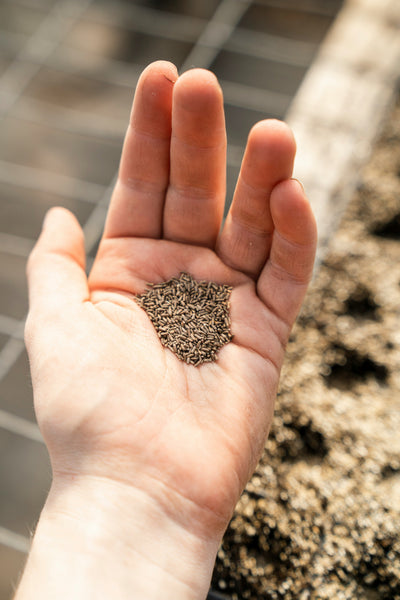
Sowing your bean seeds is simple: just sow your seeds between 2.5 and 5cm deep, depending on the variety. For example, runner bean seeds tend to be sown slightly deeper than many dwarf varieties. Be sure to check your packaging for specific advice.
Step 2: Caring For Your Beans
Beans are resilient growers, requiring very little in terms of nourishment from their gardeners. Efficient at working with the bacteria in their soil to get the required nutrients, beans’ primary need from you is water. Ensure that your seeds are watered regularly, enough to keep the soil moist without becoming waterlogged.
Outside of watering, the best way you can support your bean seeds is by applying mulch to your soil. This can help it retain moisture as well as suppress weed growth. If you’re looking to learn more, check out our guide on the different types of mulch.
Step 3: Harvesting
Depending on the variety of bean, you can expect to begin harvesting between 12 and 14 weeks after planting. We recommend picking your bean pods when they are small and at their most delicious, as they can become lumpy and less tasty as they grow larger. Ensure they are firm, make a snapping sound when you pick them, and are different from their original colour.
Be sure to handle the plant carefully so as not to tear it. Gently pick your beans from their stem, or use a pair of handy Darlac Compact Snips to cut them off.
What To Plant With Beans
Beans are an excellent addition to any garden because they are compatible with a wide variety of other flowers and vegetables. Growing companion plants alongside your beans can bring a range of benefits to your seeds, so here are some of our top suggestions:
- Sweetcorn: Corn not only provides stalks for bean seeds to climb up as they grow, but it also attracts beneficial insects that feed on it.
- Marigolds: Marigolds are excellent for deterring critters that might feed on beans.
- Rosemary: Rosemary is another excellent deterrent for bugs that would otherwise feed on beans.
- Our Top 5 Beans to Grow at Home
If you want to learn how to grow beans from seed and fill your garden with unique and flavoursome produce, there are so many bean seed varieties available at Mr Fothergill’s. Can’t choose your favourite? Here are our top five picks from the Mr Fothergill’s range!
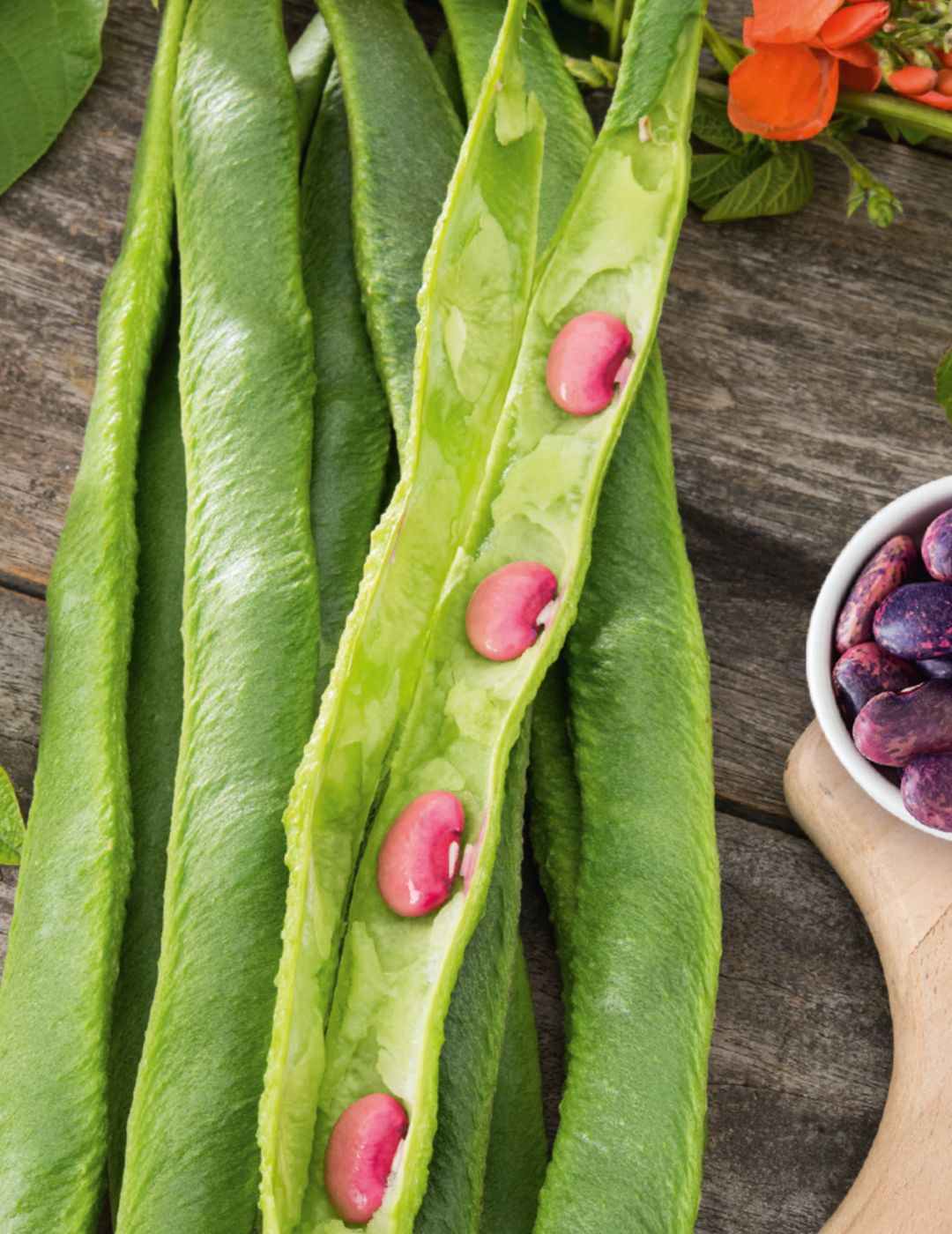
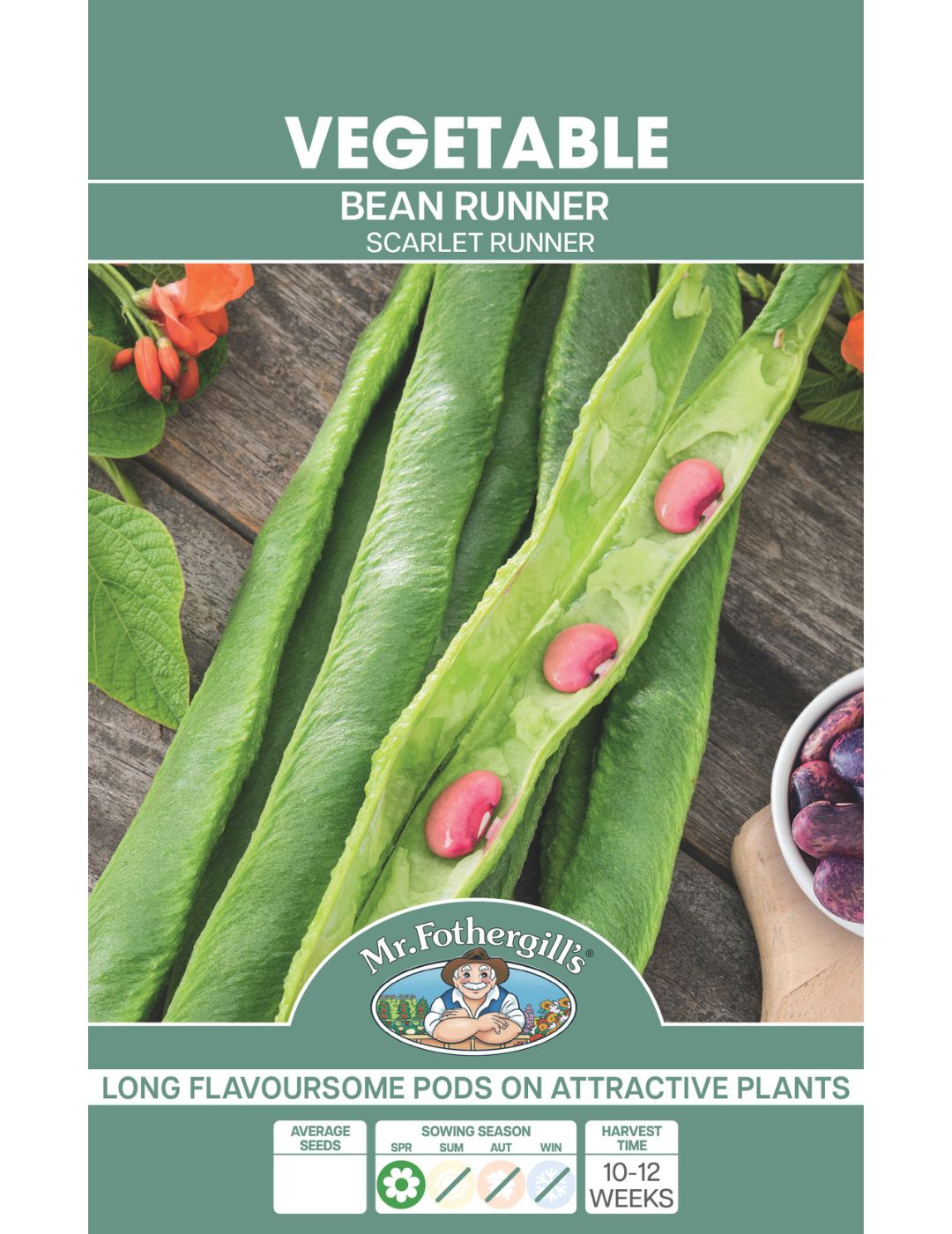
Scarlet Runner
Providing large and great-quality pods along with beautifully bright pink seeds, Scarlet Runner seeds make for crunchy and delicious produce.

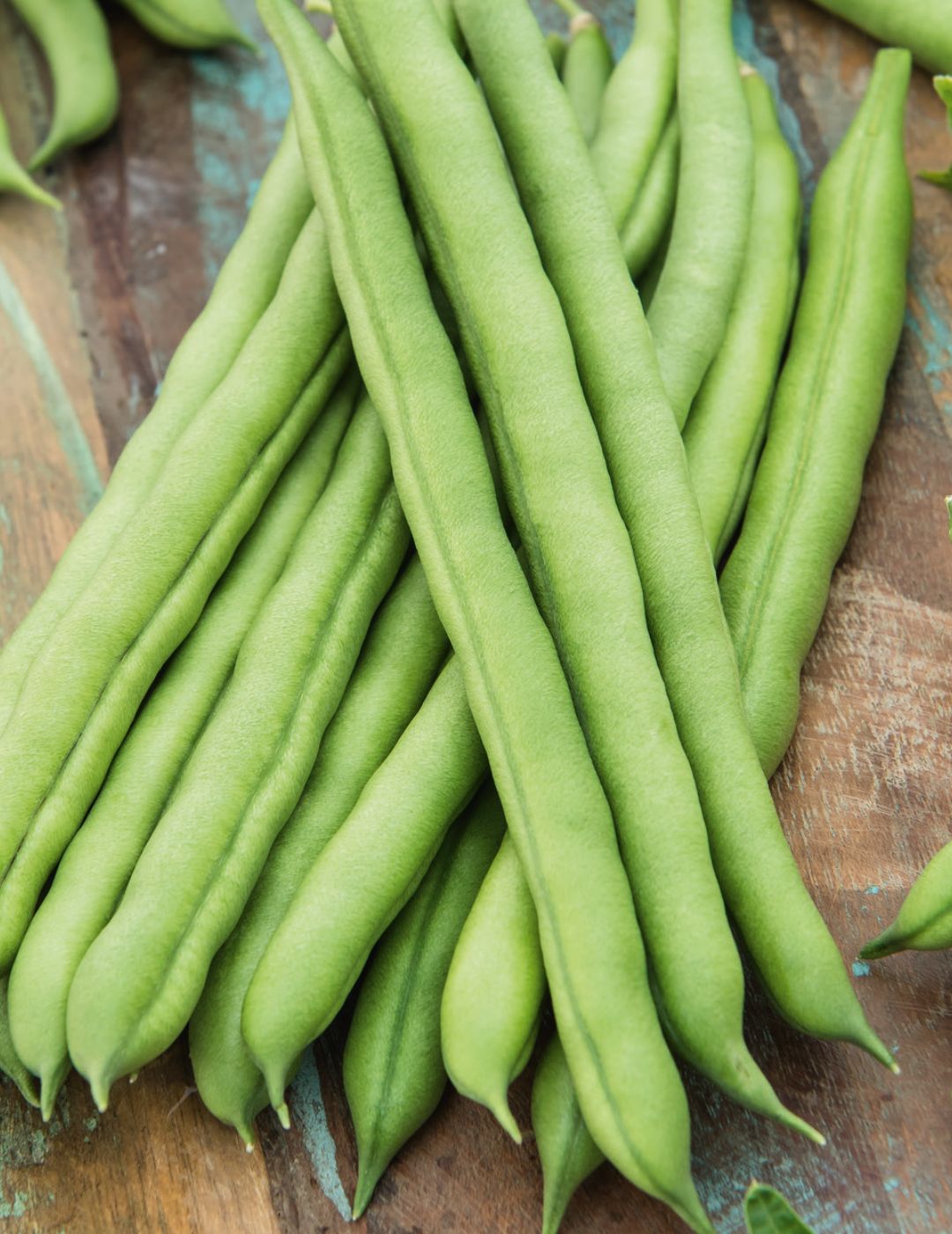
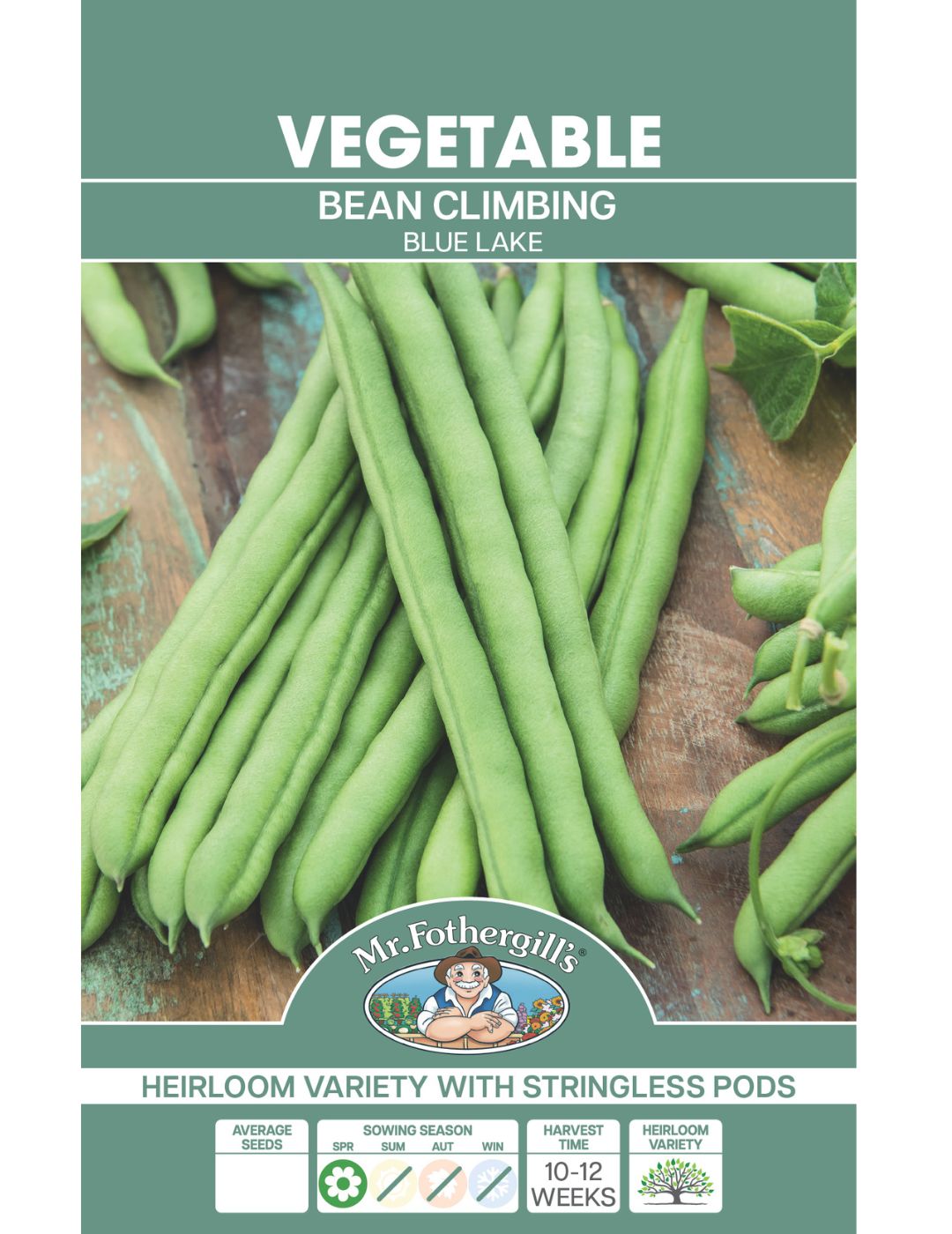
Climbing Blue Lake
Growing tall with round, stringless pods, Climbing Blue Lake seeds are a popular choice for their tasty and heavy cropping.

Butter Cherokee Wax
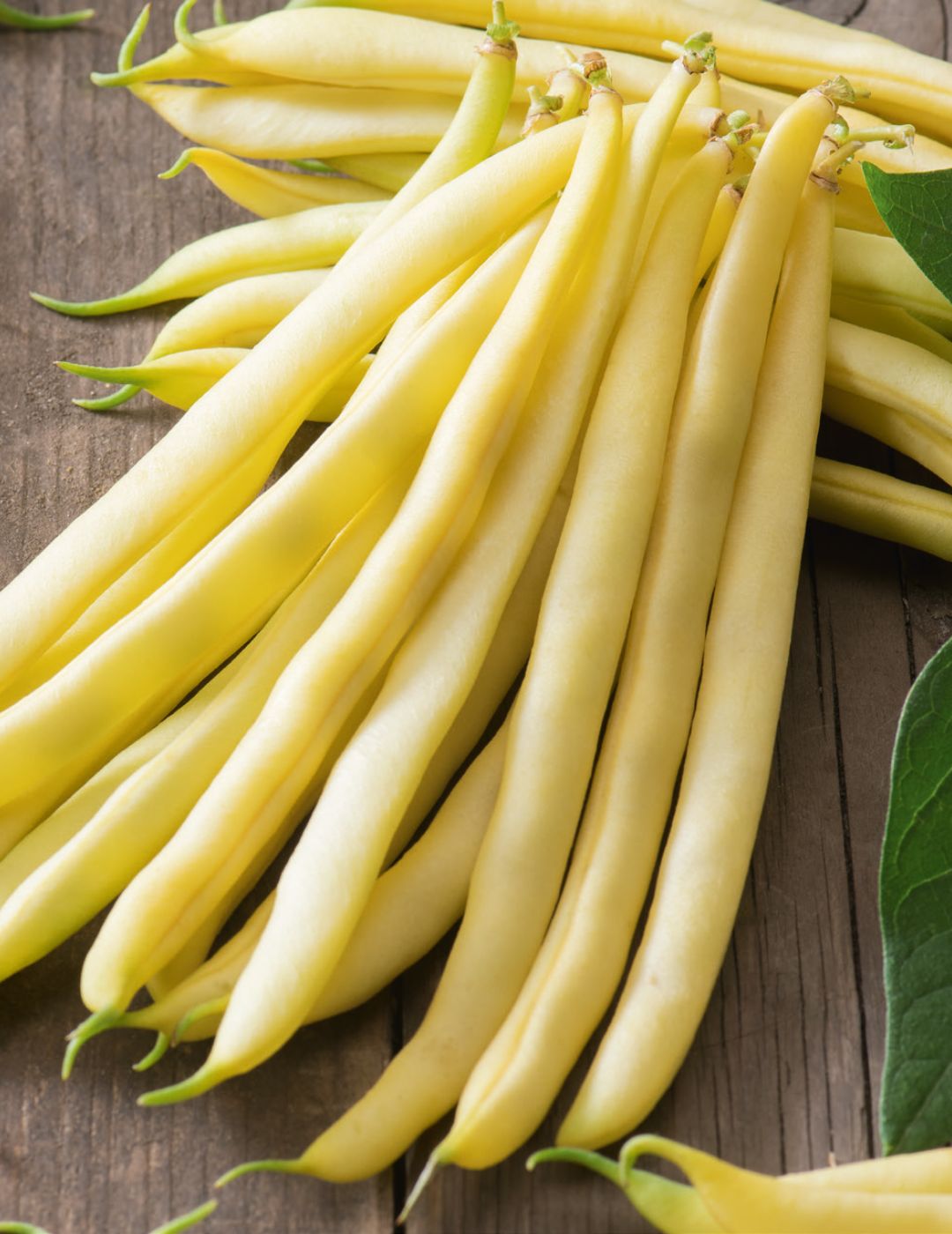
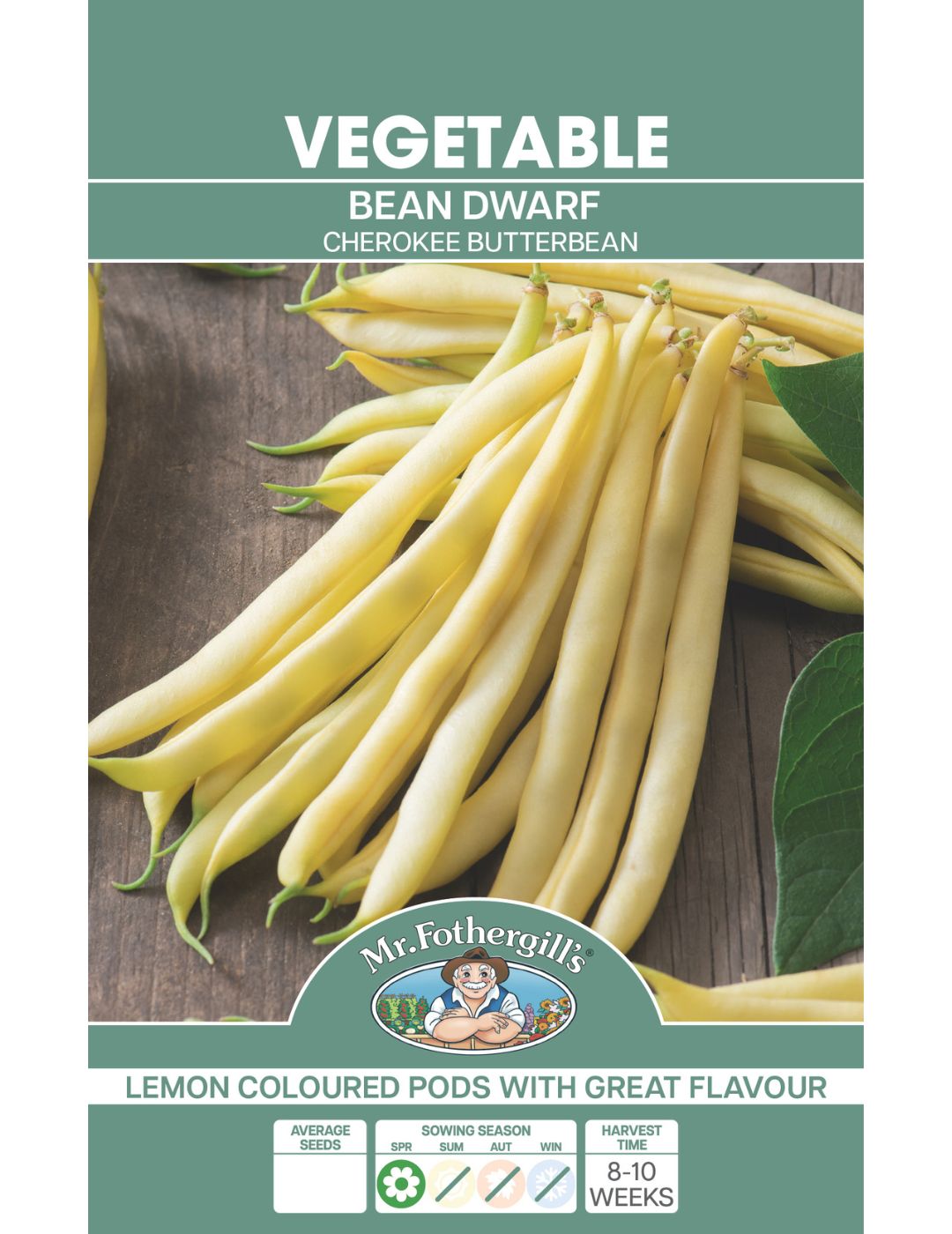
Catching the eye with their lemon-coloured pods, Butter Cherokee Wax seeds thrive in the sun and make for a popular dwarf variety.

Purple King Climbing
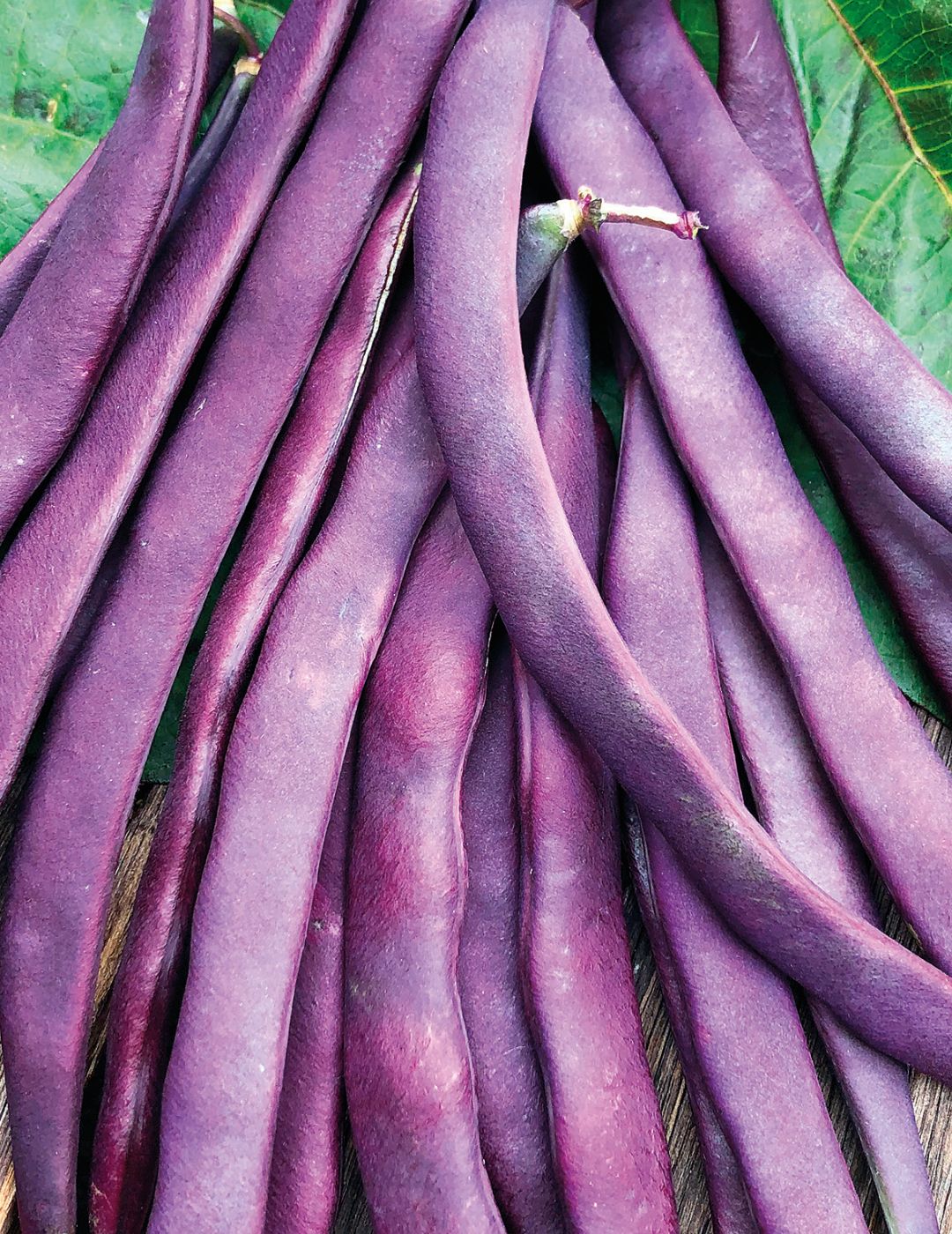
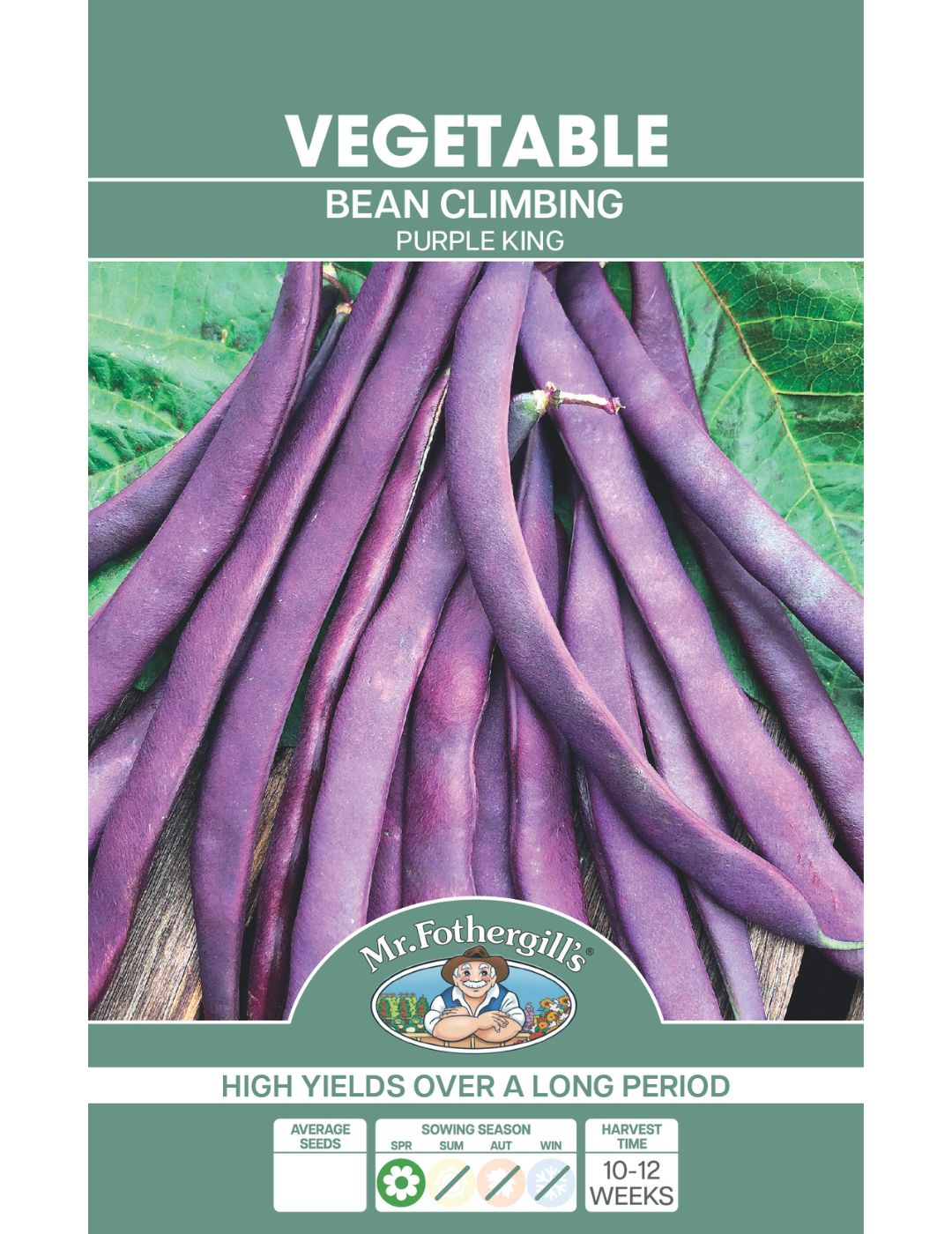
For a bean seed you simply can’t look away from, Purple King Climbing seeds dazzle with rich purple colour and dark beans that turn a delicious green when cooked.

Snake Bean
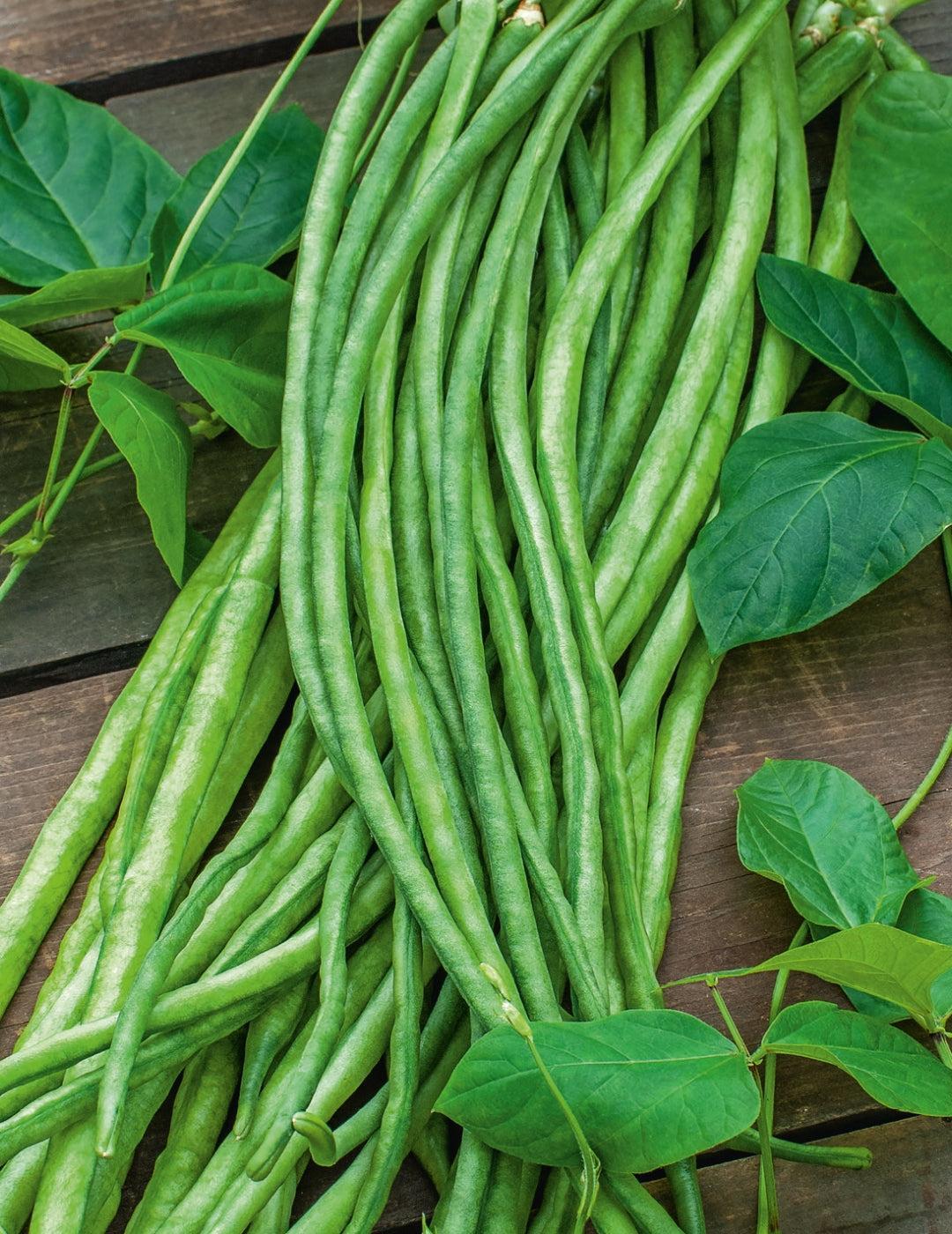
A favourite for warm, tropical areas, Snake Bean seeds can be relied upon for an abundance of long, rounded pods that grow quickly and taste great.

Buy Bean Seeds Here at Mr Fothergill’s
Beans are a productive, easy-to-grow, and delicious addition to any vegetable garden, and Mr Fothergill’s makes growing tasty varieties for your kitchen easier than ever. Whether you want to grow green classics or try pods of every colour of the rainbow, we’ve got the bean seed range you need. You can buy bean seeds here online or at all good garden centres and major hardware stores nationwide.