











Nothing quite indicates the arrival of summer like a flower garden blooming with sunflowers. At Mr Fothergill’s Seeds, we’ve long adored the power of sunflower seeds to brighten up any garden with not only their vibrance but also their surprising variety. There’s so much to uncover behind the classic yellow sunflower, but how many different types of sunflowers are there?
For everyone who has fallen in love with these gorgeous flowers or has ever wondered how to grow sunflowers, this blog will uncover the incredible diversity of sunflowers, exploring the different types and colours that are out there, as well as answer some of the biggest questions about these beautiful plants.
What Type of Flower Is a Sunflower?
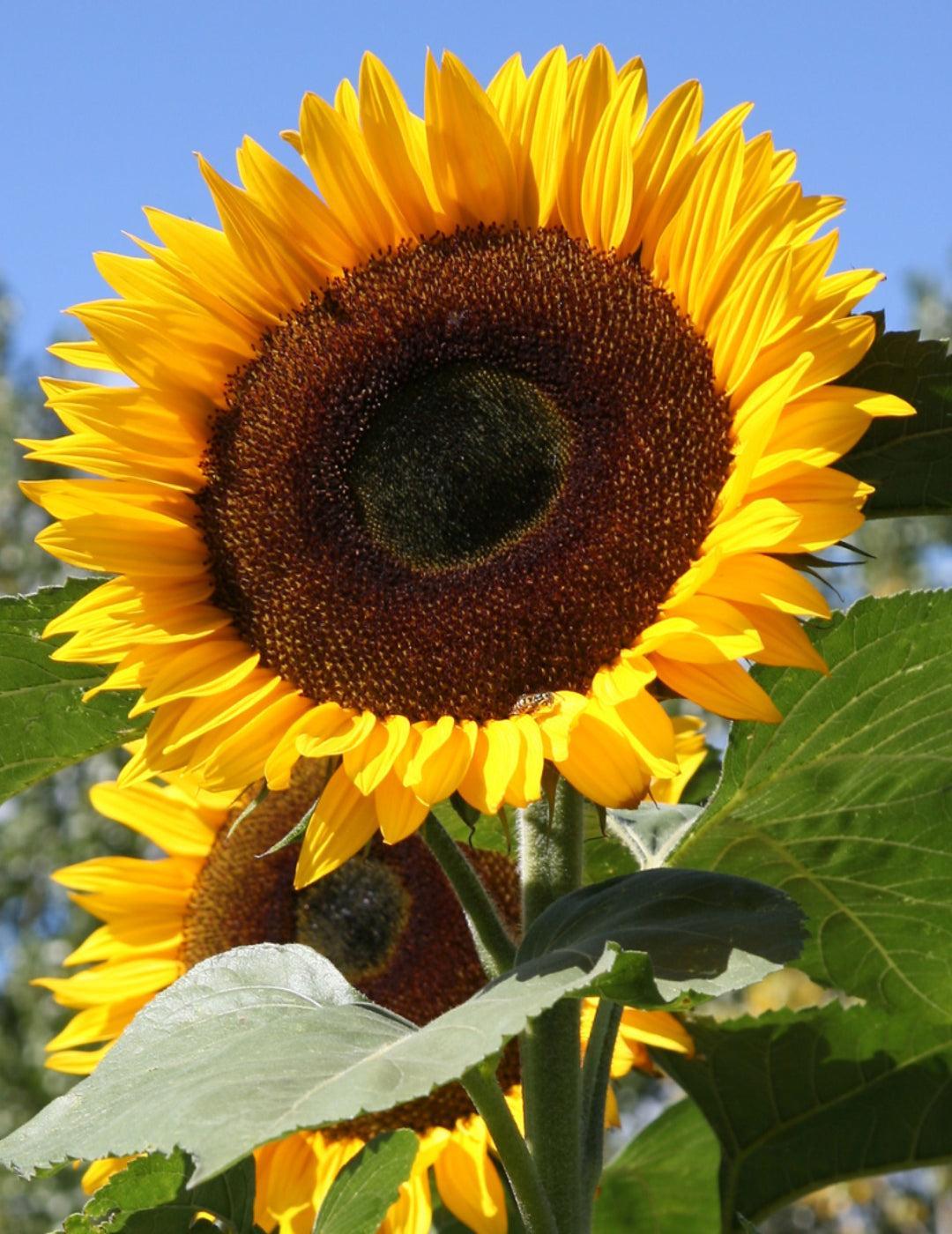
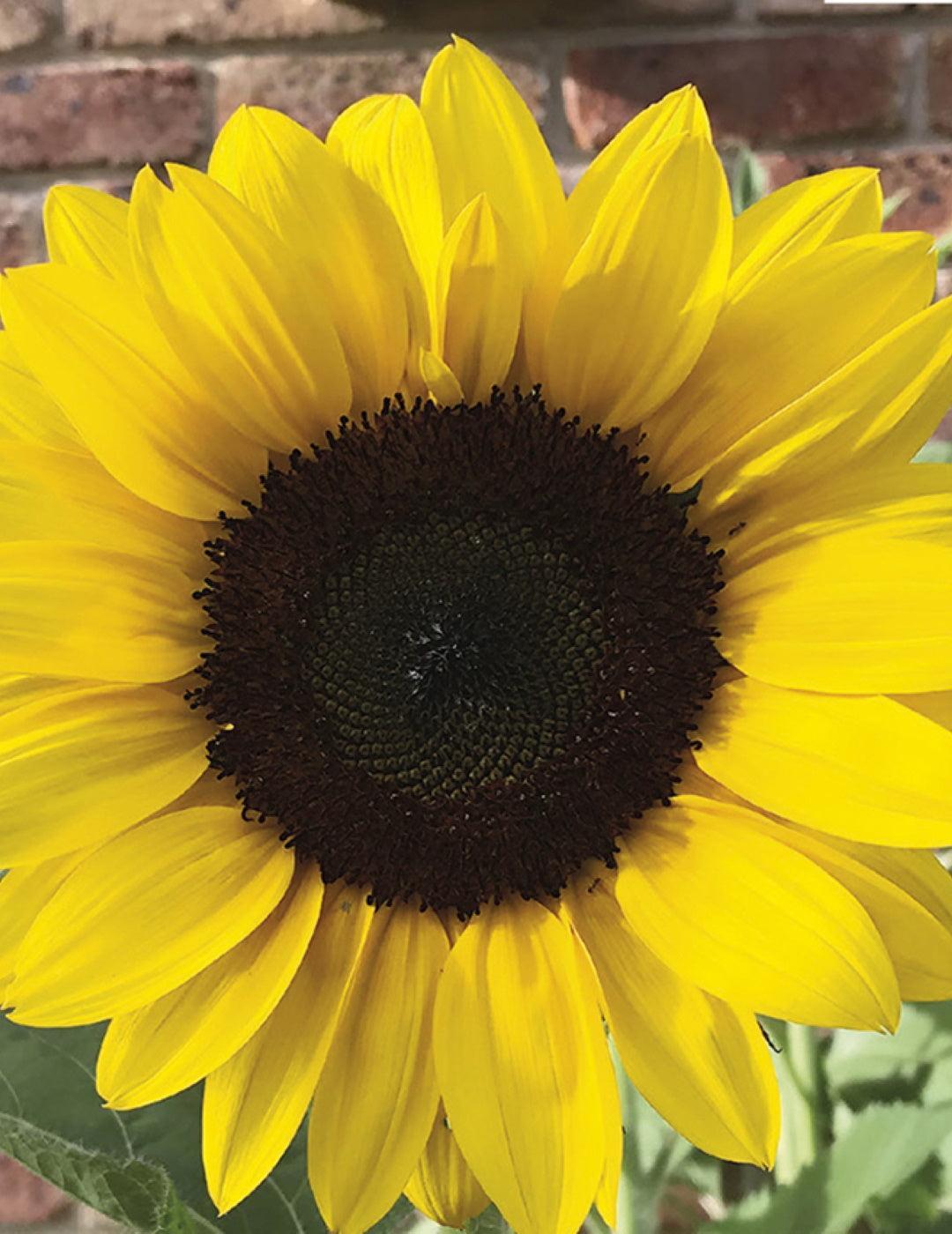
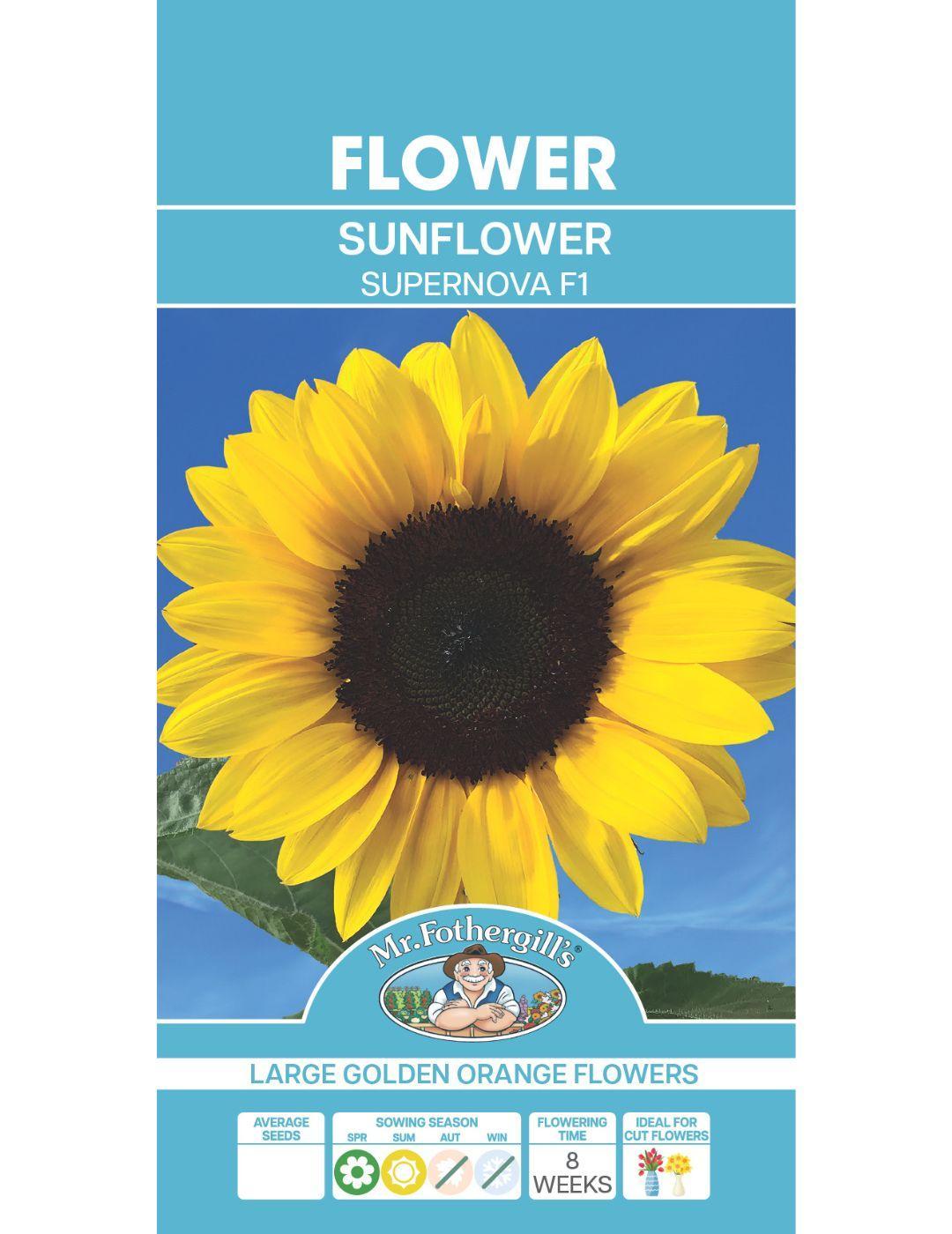
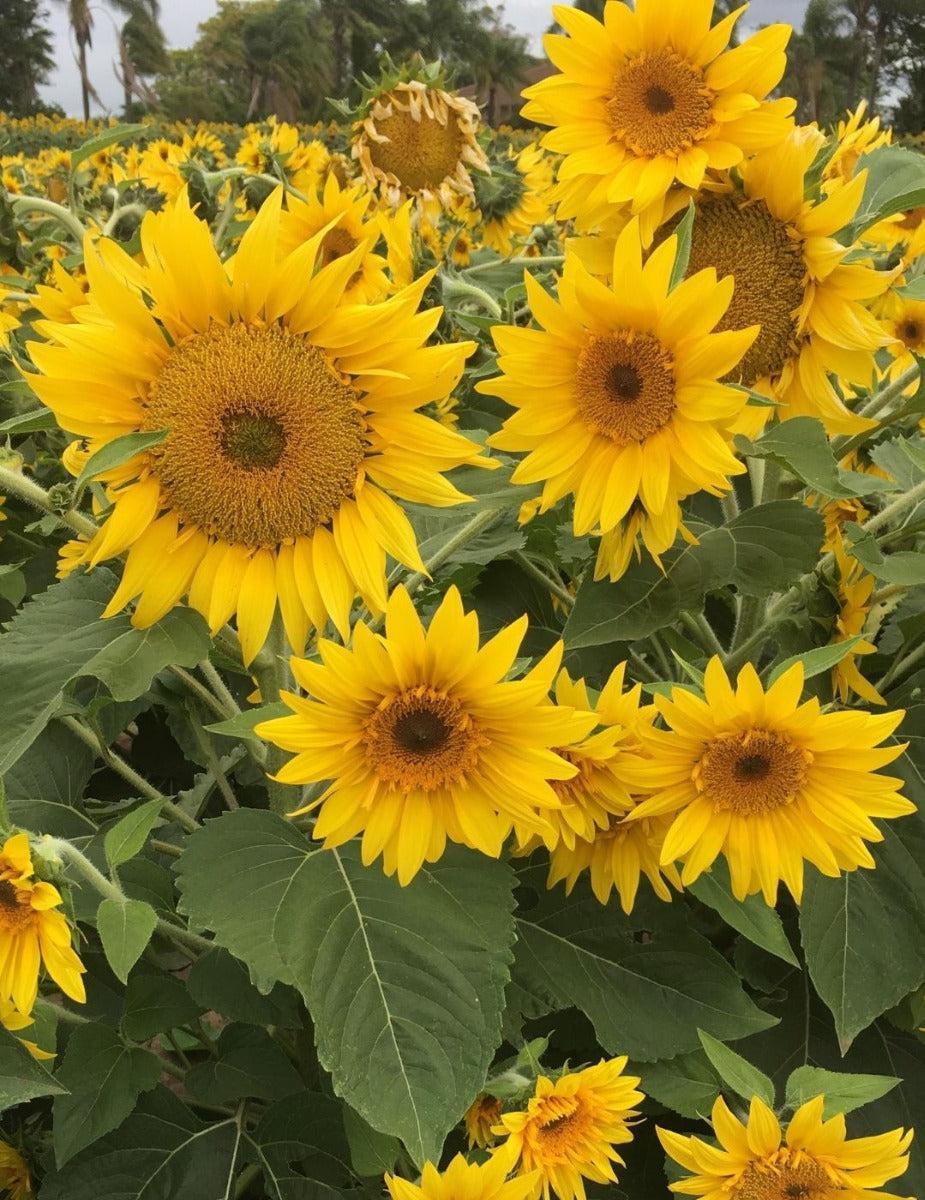
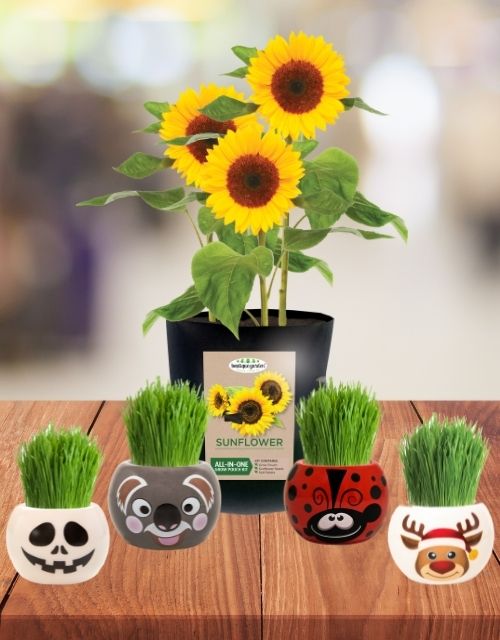
Sunflowers, also known as Helianthus annuus, are tall, bright plants belonging to the Asteraceae daisy family. Perhaps one of the most well-known flowers thanks to their iconic stature and bright yellow petals, sunflowers bloom in the summer and are capable of growing up to 3 metres tall. Sunflowers typically produce a single “flower” featuring a face of smaller flowers known as florets. They are also famed for their seeds, which are popular snacks amongst birds and humans.
A World of Choice: The Main Types of Sunflowers for Your Garden
While the definition of a sunflower is helpful for categorisation, there are 70 recorded types of sunflower out there which serve different purposes. At Mr Fothergill’s, we could go into rich detail about the diverse traits and specifications of every type of sunflower, but instead, let’s focus on some of the most common that you could bring into your garden.
Giants of the Garden
Some sunflowers are akin to skyscrapers in how they tower over everything else in the garden. Varieties like Tall Timber are perfect for planting along fence lines, creating a screen, or for a tall floral display at the backs of your garden beds.
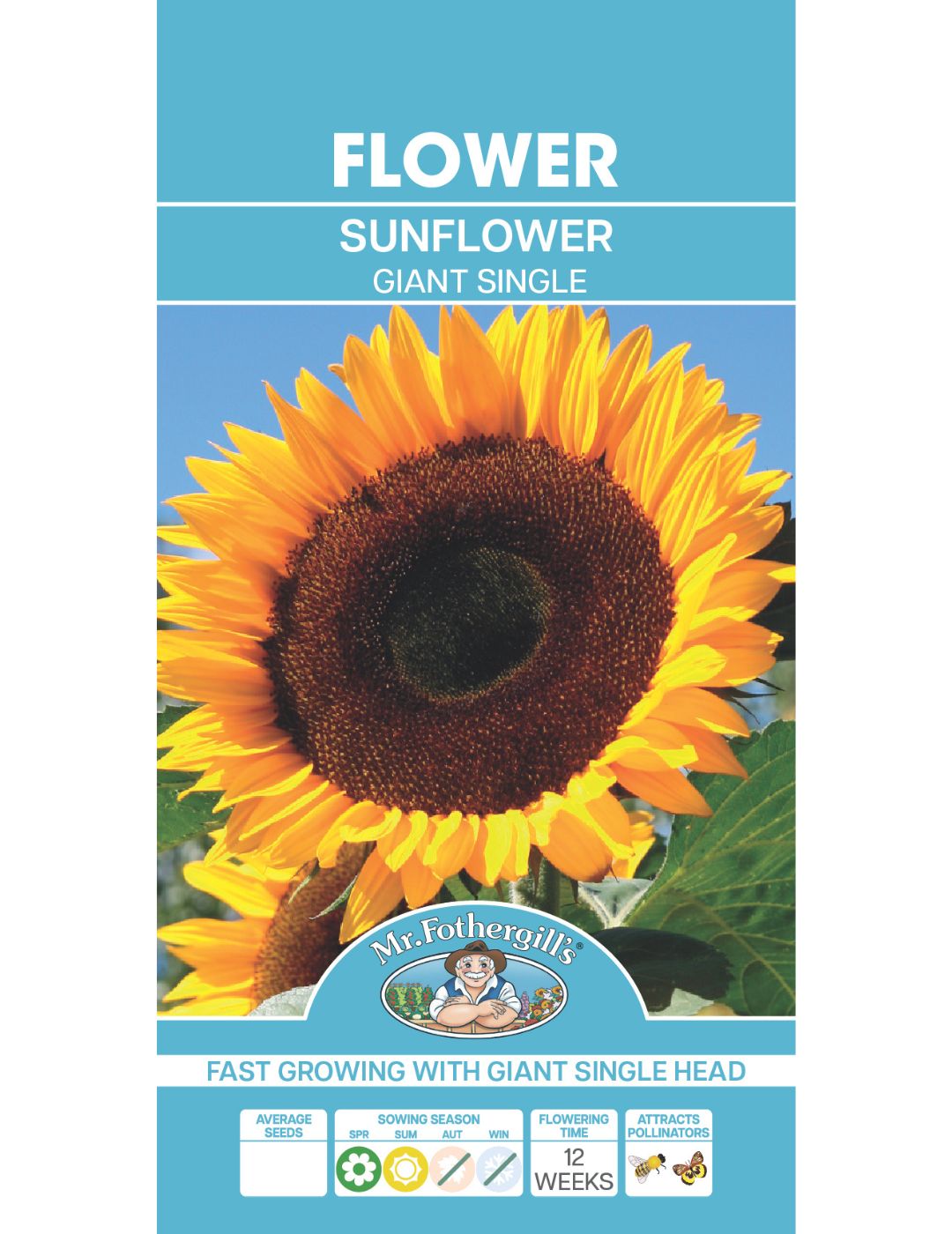
The tallest variety of sunflower in the world is the Helianthus annuus, otherwise known as the Giant Single Sunflower. These monstrous flowers can grow upwards of 4.5 metres, which still doesn’t come close to the tallest sunflower ever grown, which was measured at a staggering 9.17 metres. In fact, to properly calculate the sunflower's height, scaffolding was set up, and the local fire department was consulted to measure it.
Dwarf Delights
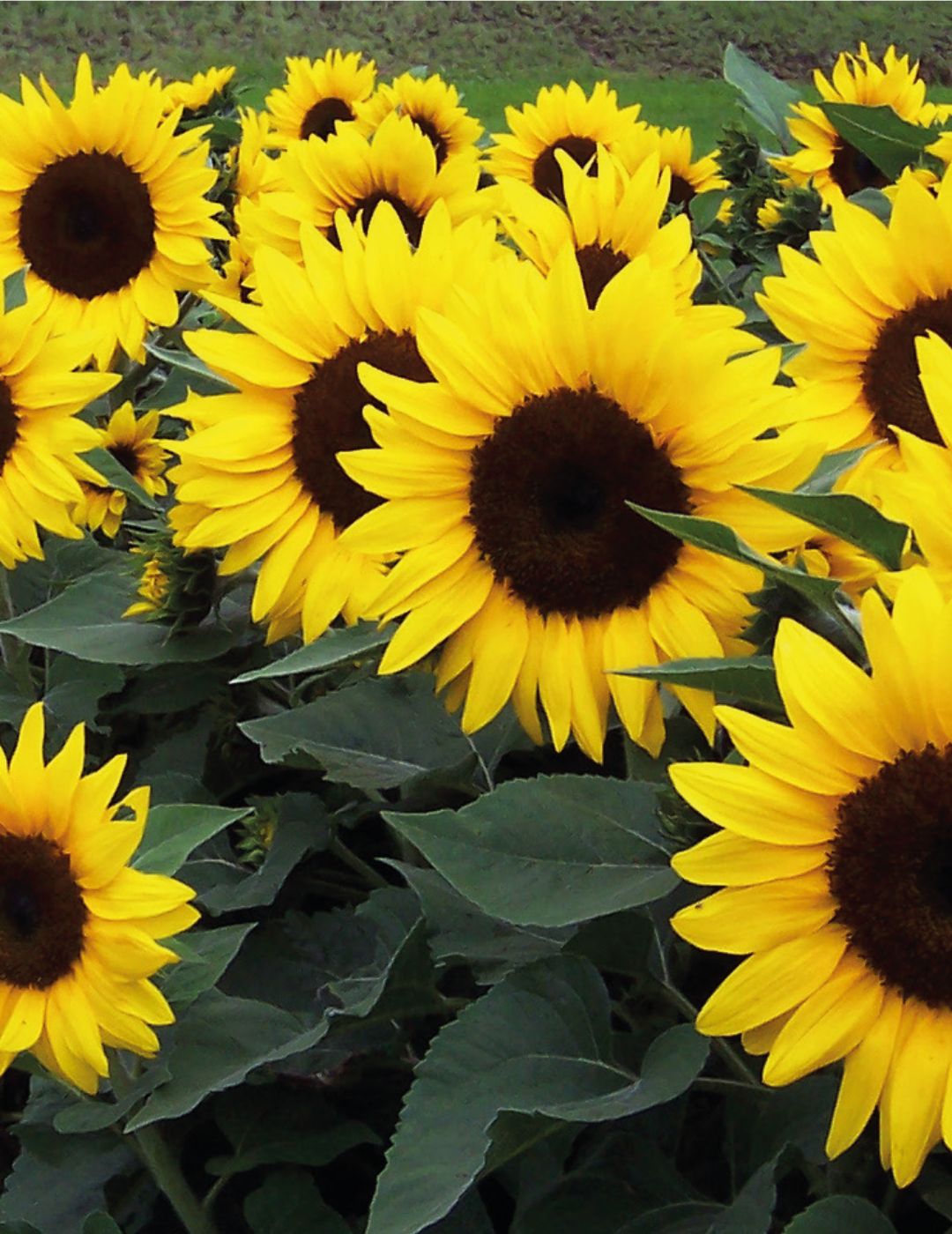
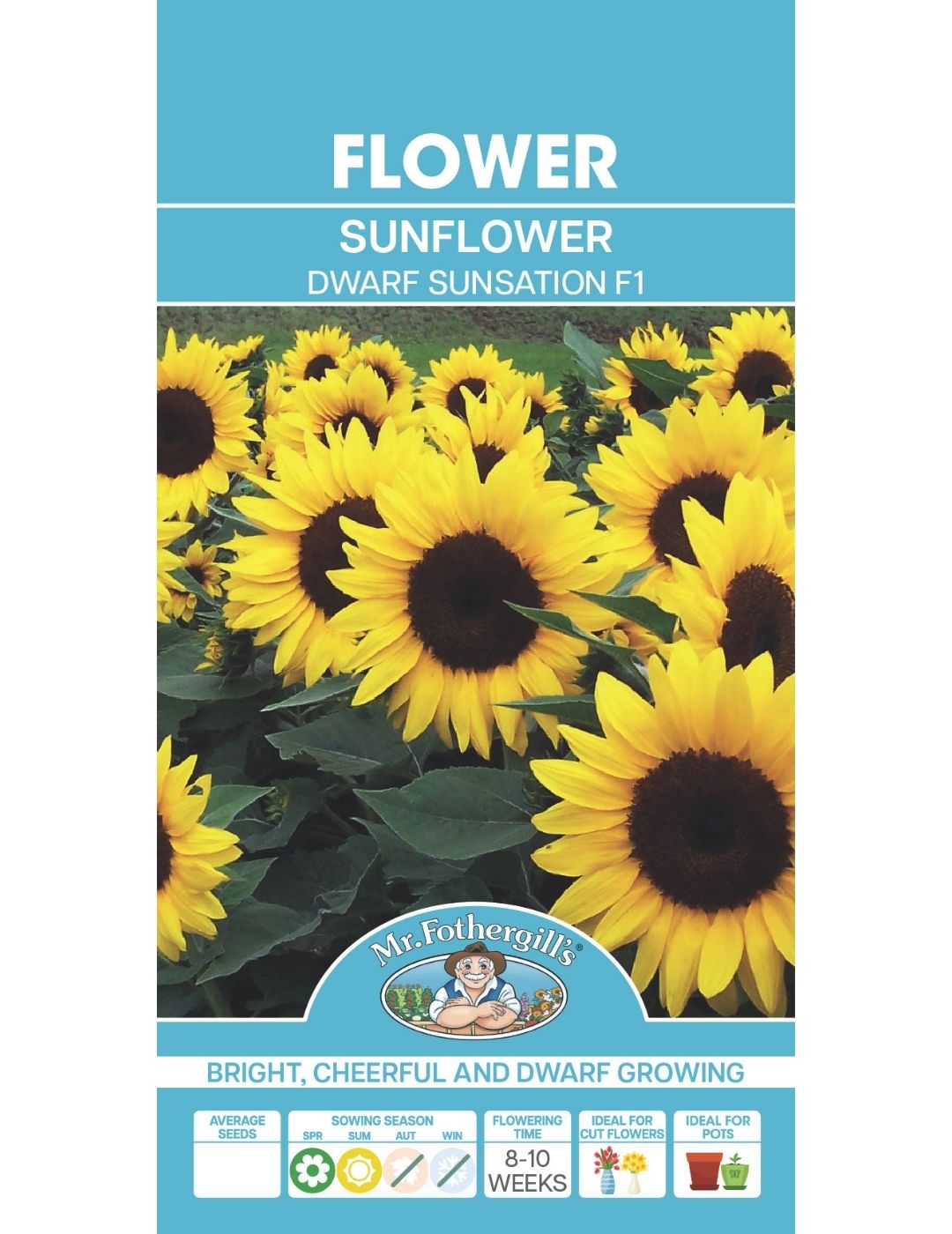
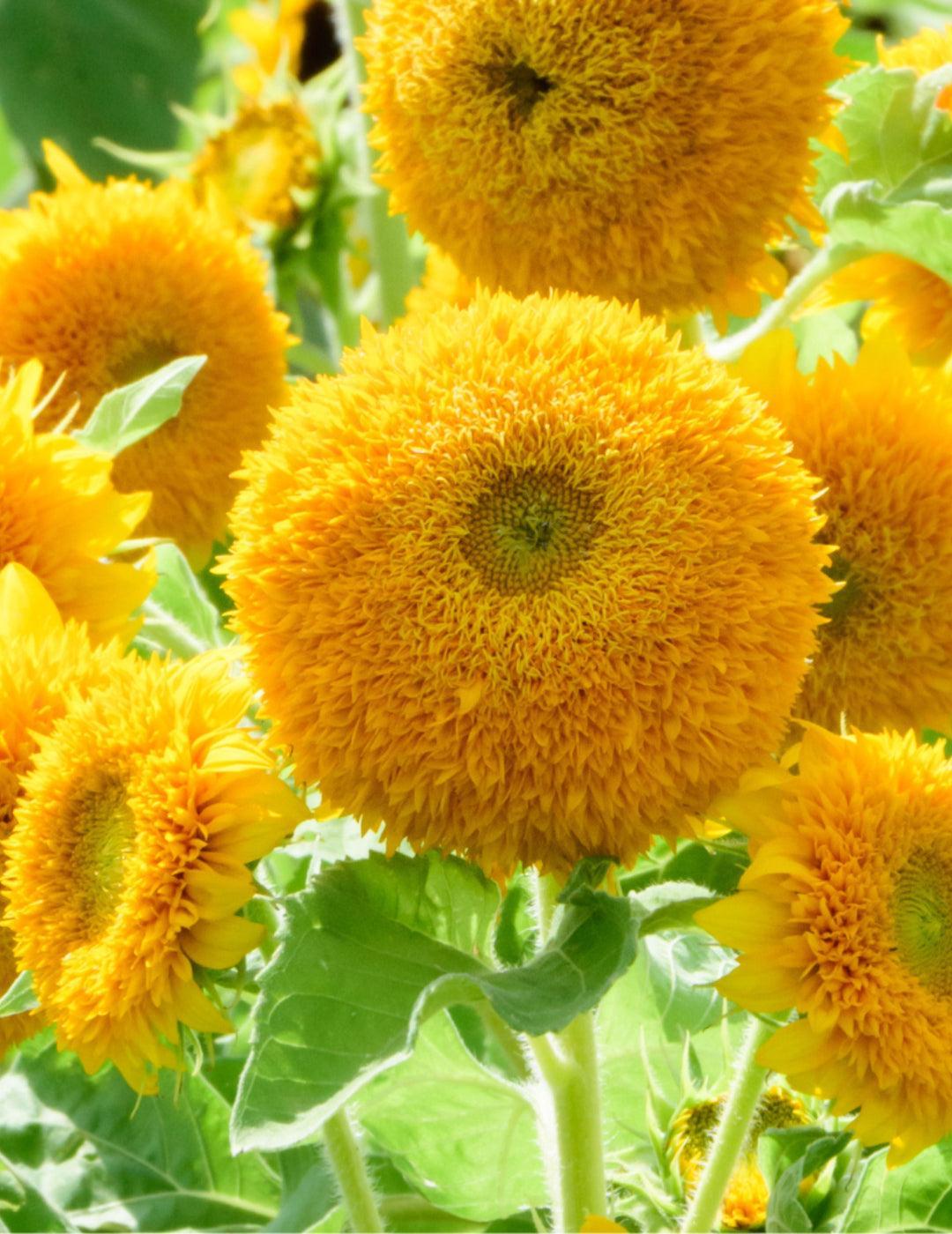
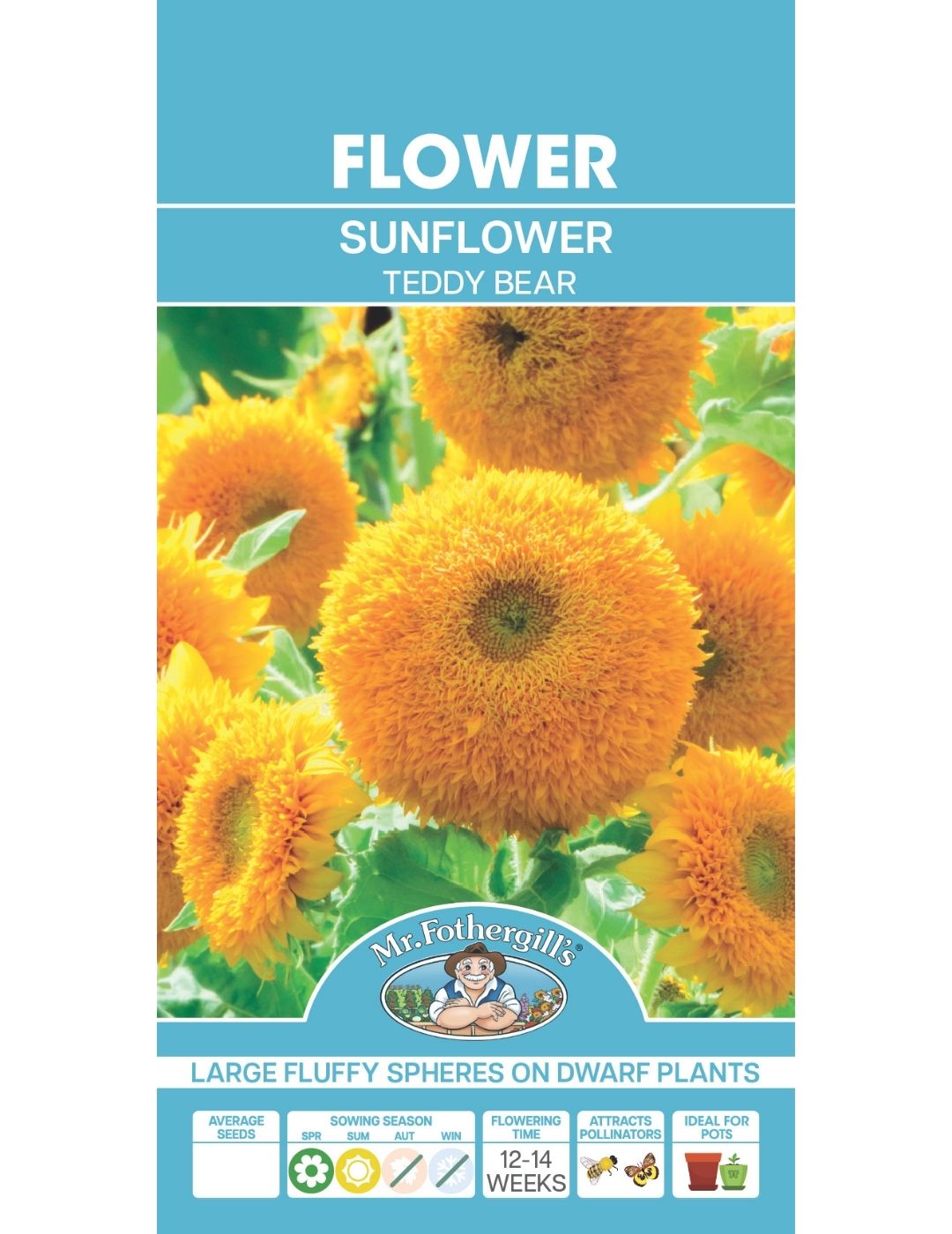
Forget everything you think you know about sunflowers, because let us introduce you to dwarf sunflowers. Growing to a mere 60cm tall, these shorter companions to the likes of Tall Timber are ideal for filling pots or injecting cheer into small garden spaces. The likes of Teddy Bear and Dwarf Sunsation are sure to change how you see these famous flowers forever.
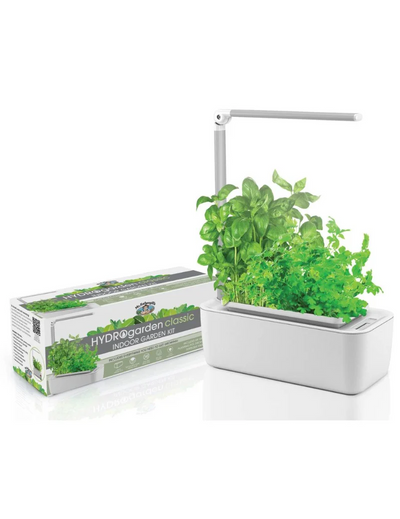
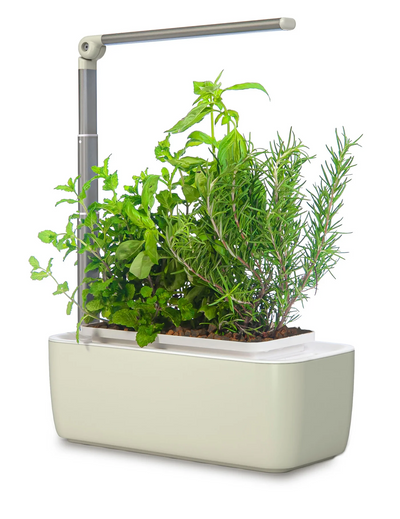
Don’t underestimate these guys, because dwarf sunflowers pack a versatile punch. Great for creating borders on garden beds, some dwarf varieties are so compact that they can even be grown in an indoor smart garden. You can also grow dwarf varieties in combination with their taller cousins for a cheerful, multilayered effect.
A Rainbow of Colour
When you think of sunflowers, your mind probably thinks of giant yellow blooms, right? Well, we’re here to challenge your ideas about sunflowers once again, because there are many shades of yellow and even red varieties of sunflowers that can add a splash of extra colour to your garden displays.
Some varieties, like Lemon Bling, feature a softer yellow colour, while others, such as Royal Velvet, Golden Prominence, and Solar Flash, display deep red and bronze flowers. Some sunflowers even have deep brown centres, while others have green or yellow centres.
Perfect for Pollinators & Bouquets
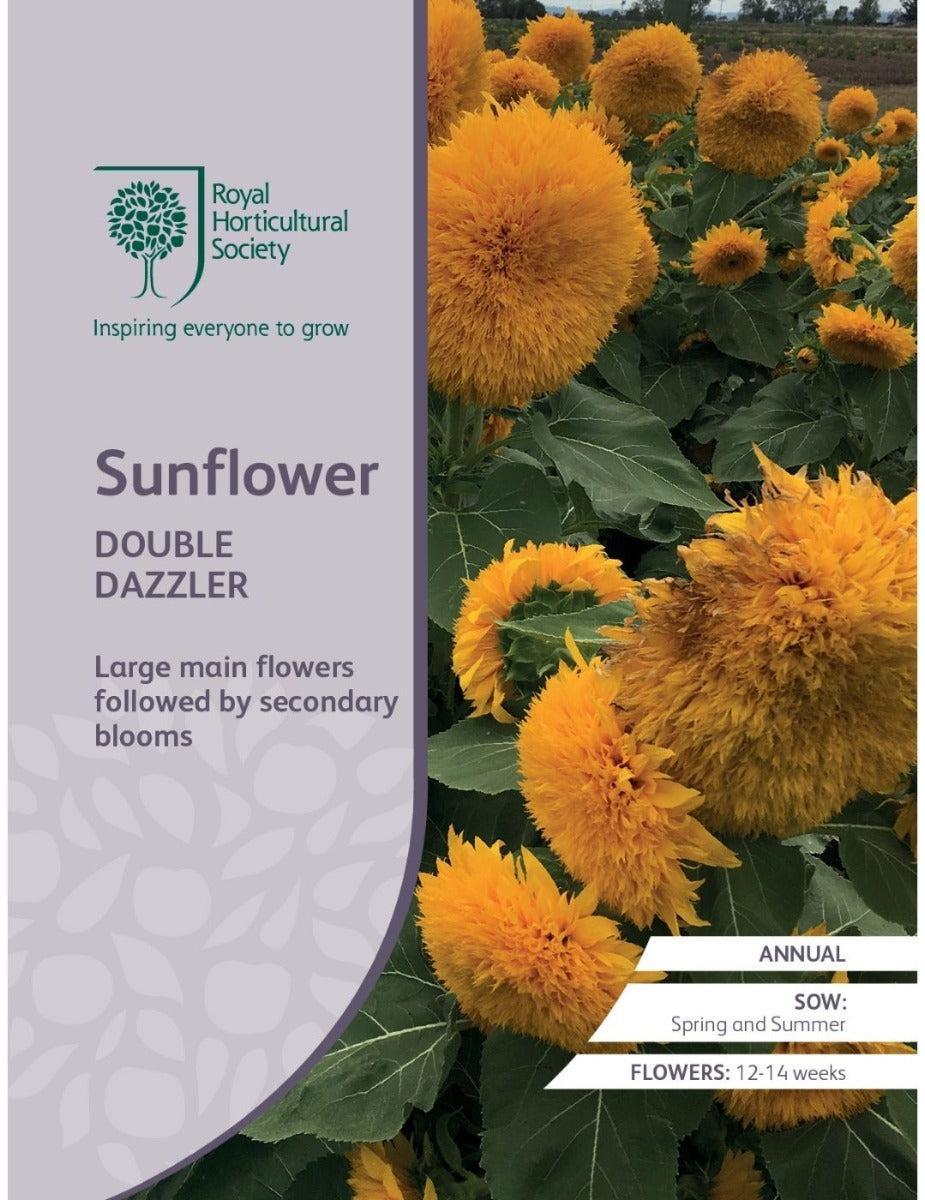
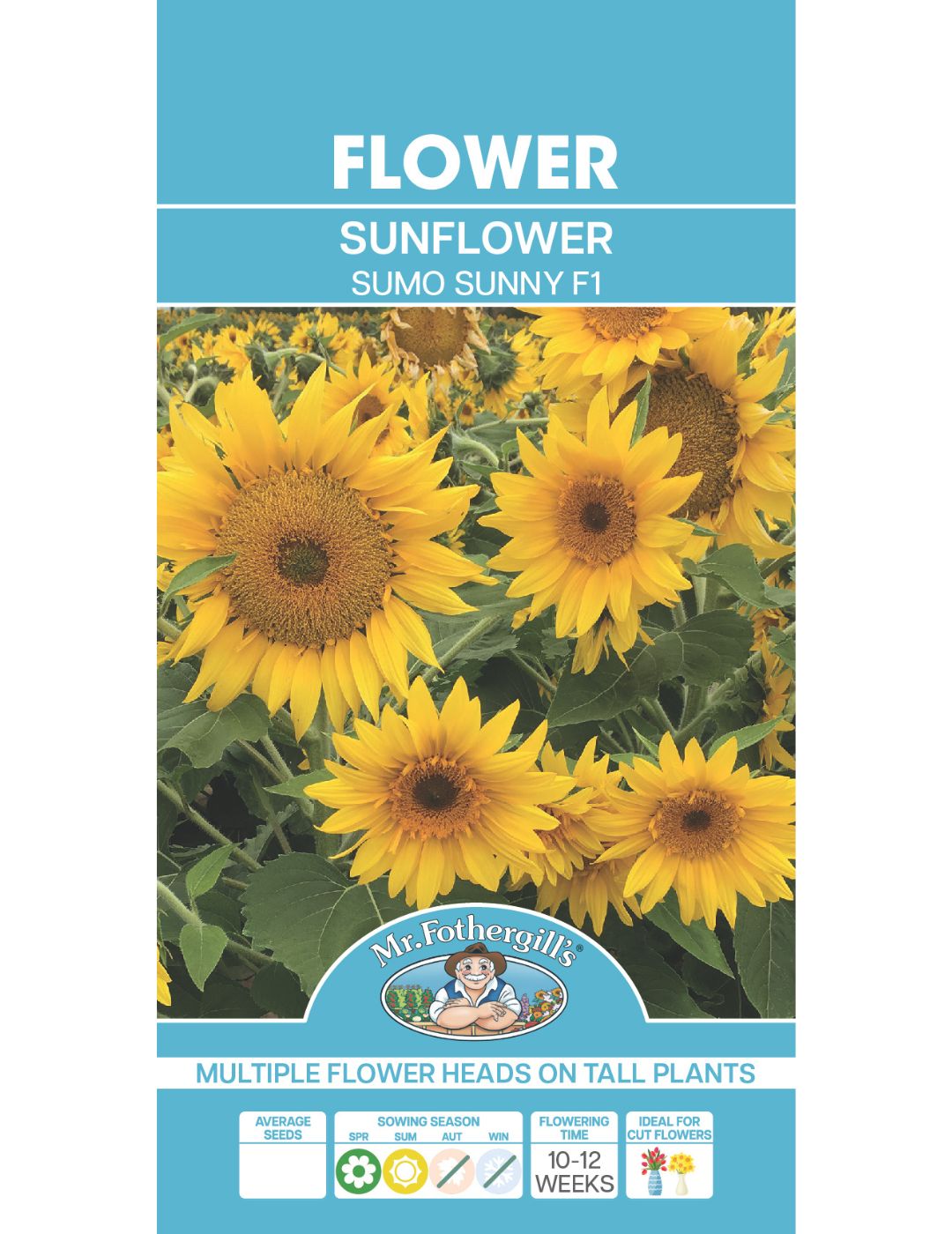
Sunflowers are pollinator-friendly plants that attract bees, butterflies, and birds to the garden, offering a valuable food source in the form of pollen within their blooms. All sunflowers attract butterflies and bees with their large yellow blooms. Still, some sunflower varieties are multi-headed, which means they’ll either bloom all over with big blooms or produce one main bloom, followed by multiple, smaller secondary blooms. Needless to say, this is ideal for pollinators!
Selecting varieties like Double Dazzler or Double Delight will attract pollinators into your garden and ensure crops like tomatoes, citrus plants, and pumpkins are pollinated. To provide bees with the pollen necessary to make honey, opt for a pollinator-attracting variety that is not pollen-free.

A Gardener's Guide: Can You Eat Sunflower Seeds?
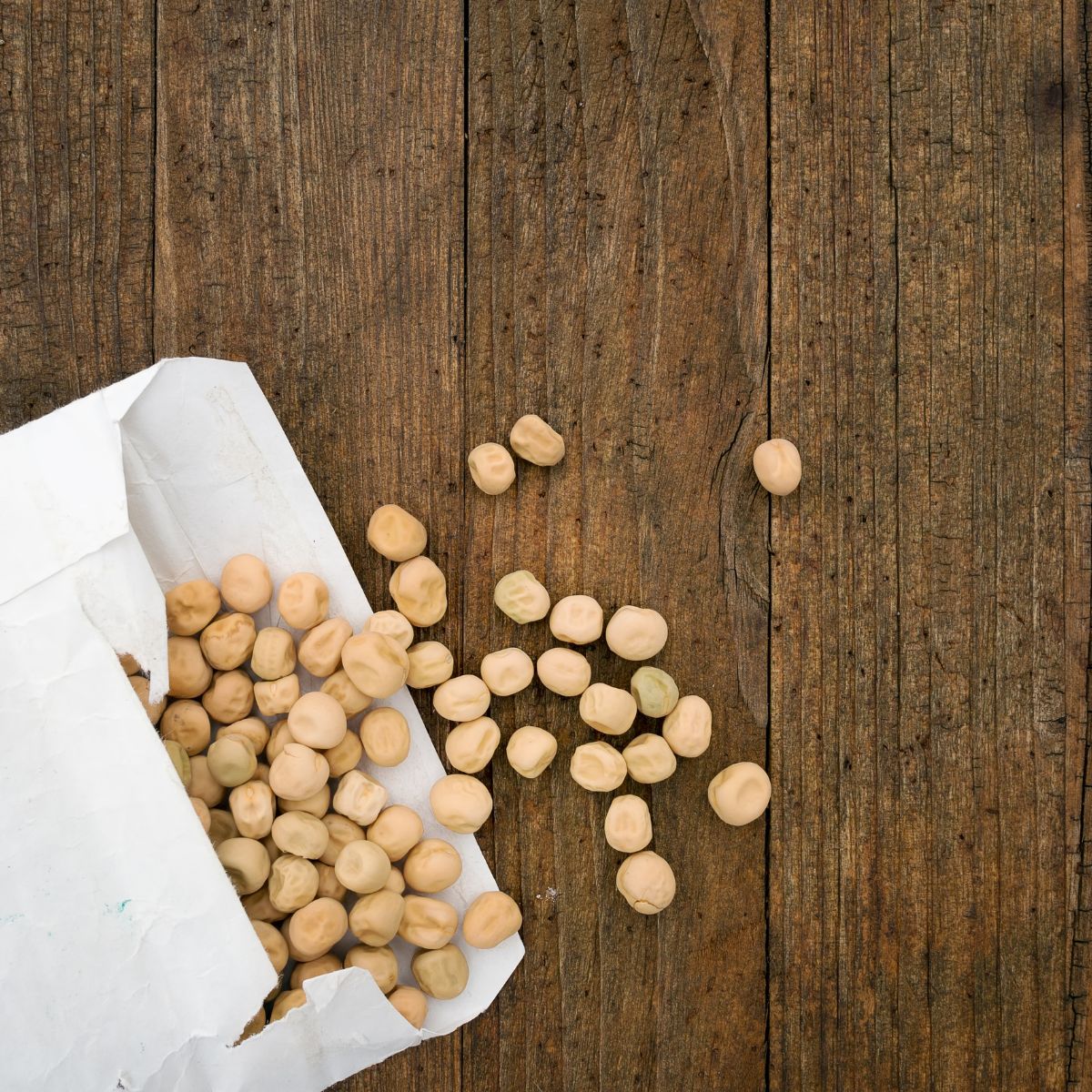
Over the years, we’ve often been asked whether you can eat all types of sunflower seeds. The answer is yes, with the exception of pollen-less sunflowers, which won’t produce mature seeds.
It’s essential to recognise the distinctions between confectionery and oilseed seeds. The former, much larger seeds are grown specifically for snacking and cooking, and they are rich in protein. Oilseed varieties, on the other hand, are smaller and less appealing to eat, their benefit coming from the oils they contain.
The best variety for providing the most sunflower seeds is our Sunflower Giant Single. Whether you eat them toasted, add them to your cooking or baking, or eat them raw, edible sunflower seeds make a healthy addition to any balanced diet and contain antioxidants, including vitamin E and selenium.
Sunflower seeds are great for heart and skin health. They contain fatty acids that help reduce dry skin and healthy fats that can aid in lowering blood pressure. They are packed with fibre and can also help boost your energy levels, making them the perfect snack to power you up during those busy days in the garden!
Explore the World of Sunflowers Here at Mr Fothergill’s
Sunflowers are incredibly diverse, and there’s a variety perfect for every garden and display. Looking to try something new with your garden? Why not venture beyond the classic sunflower type and go for something of the colourful or dwarf variety? Trust us, you won’t regret it!
Explore the wonders of this beautiful plant for yourself and browse Mr Fothergill’s sunflower seed collection. If you have any questions about the different varieties of sunflowers, feel free to contact us, or if you’re looking for something to pair with your new sunflowers, check out our cut flower garden collection.