










Gardening can’t be as simple as popping a seed into your garden soil, right? Can you sow seeds directly into the ground and wait for them to grow? The answer is yes, and direct sowing is in fact one of the easiest and most rewarding ways to grow your favourite flowers and vegetables. In this guide, we will cover everything you need to know, from what direct sowing is to how you can start directly sowing in your garden with ease.
What is Direct Sowing?
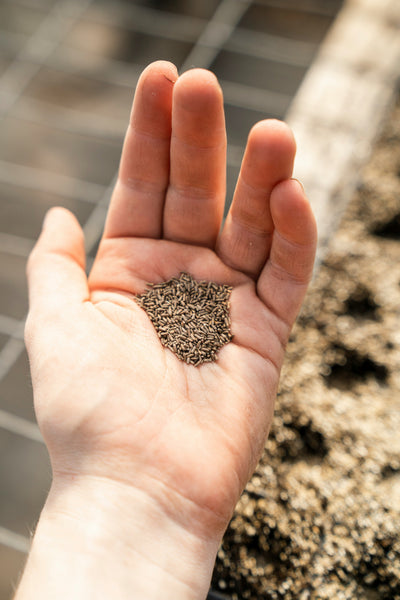
Just like it sounds, direct sowing involves planting seeds directly into your garden soil without the use of pots or seed beds. It’s a cheaper, easier, and more natural approach to gardening, and it actually has a number of benefits when done correctly!
Not only is popping your seeds directly into the ground and leaving them a simpler way of growing your favourite produce, but it can also improve the quality of your flower seeds and vegetable seeds (while saving you a lot of indoor space, too!).
Direct sowing can aid the germination of seeds like beans and peas, which thrive with no-transplant gardening. Some plants can even develop stronger, drought-resistant roots when grown in the ground from the beginning.
Another benefit of direct sowing that may get overlooked is the lack of plastic pots. Environmentally, direct sowing is the least harmful means of growing flowers and vegetables.
Picking the Right Seeds for Direct Sowing
Direct sowing may sound too good to be true, but there is a slight catch. Not all seeds are suitable for this method of gardening, and being able to recognise direct sowing seeds from those that would thrive indoors or in a pot is vital to your success.
The best seeds for direct sowing include:
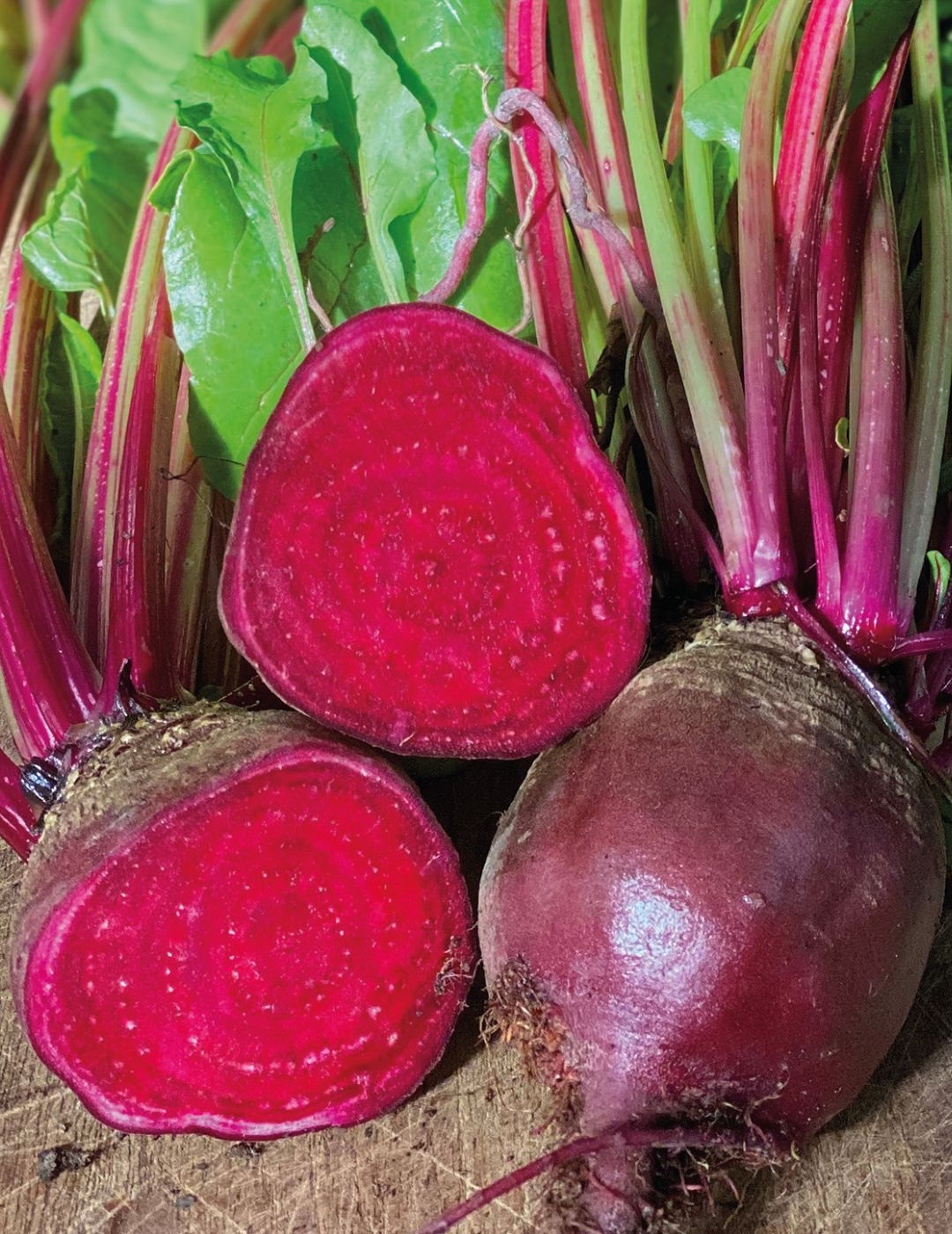
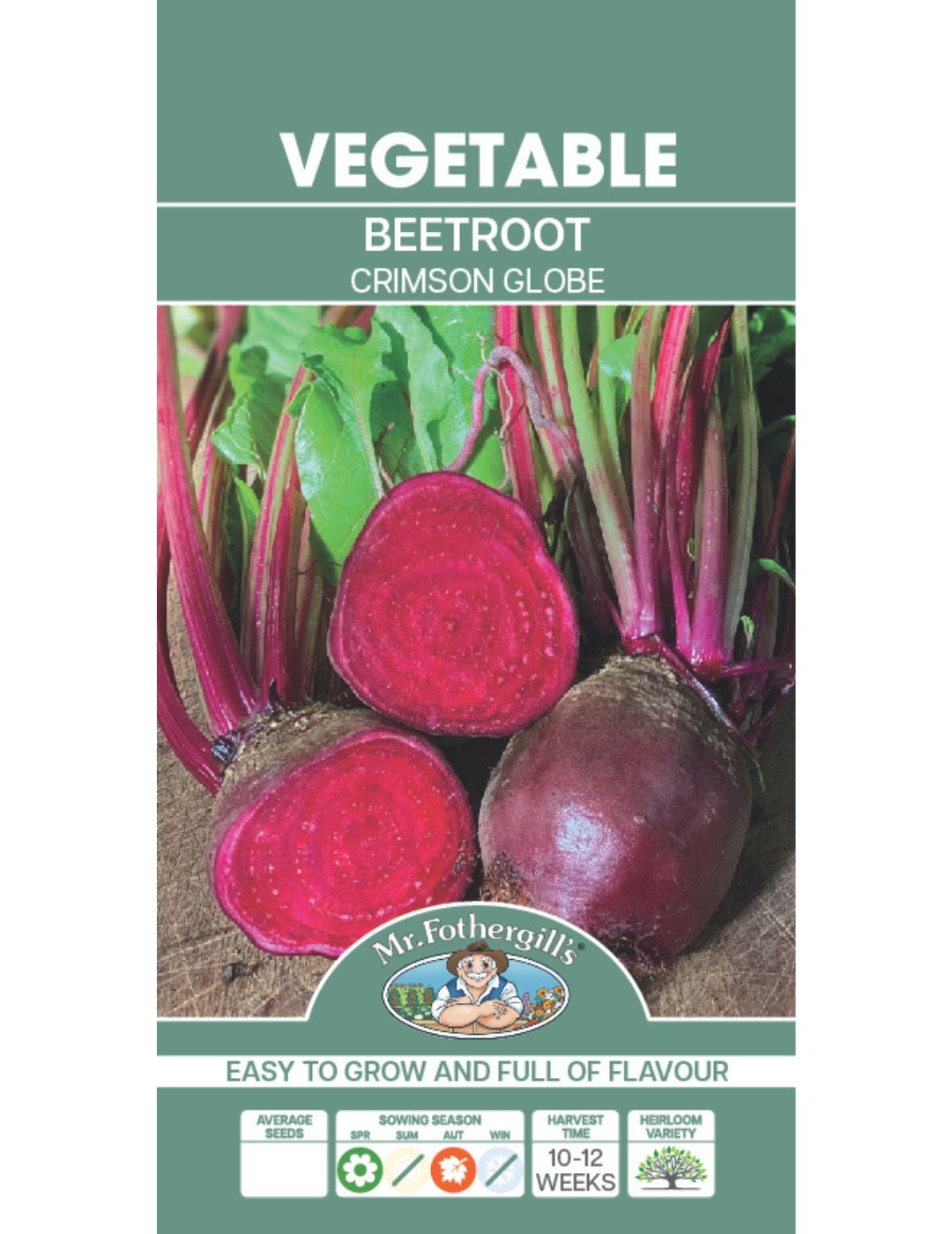
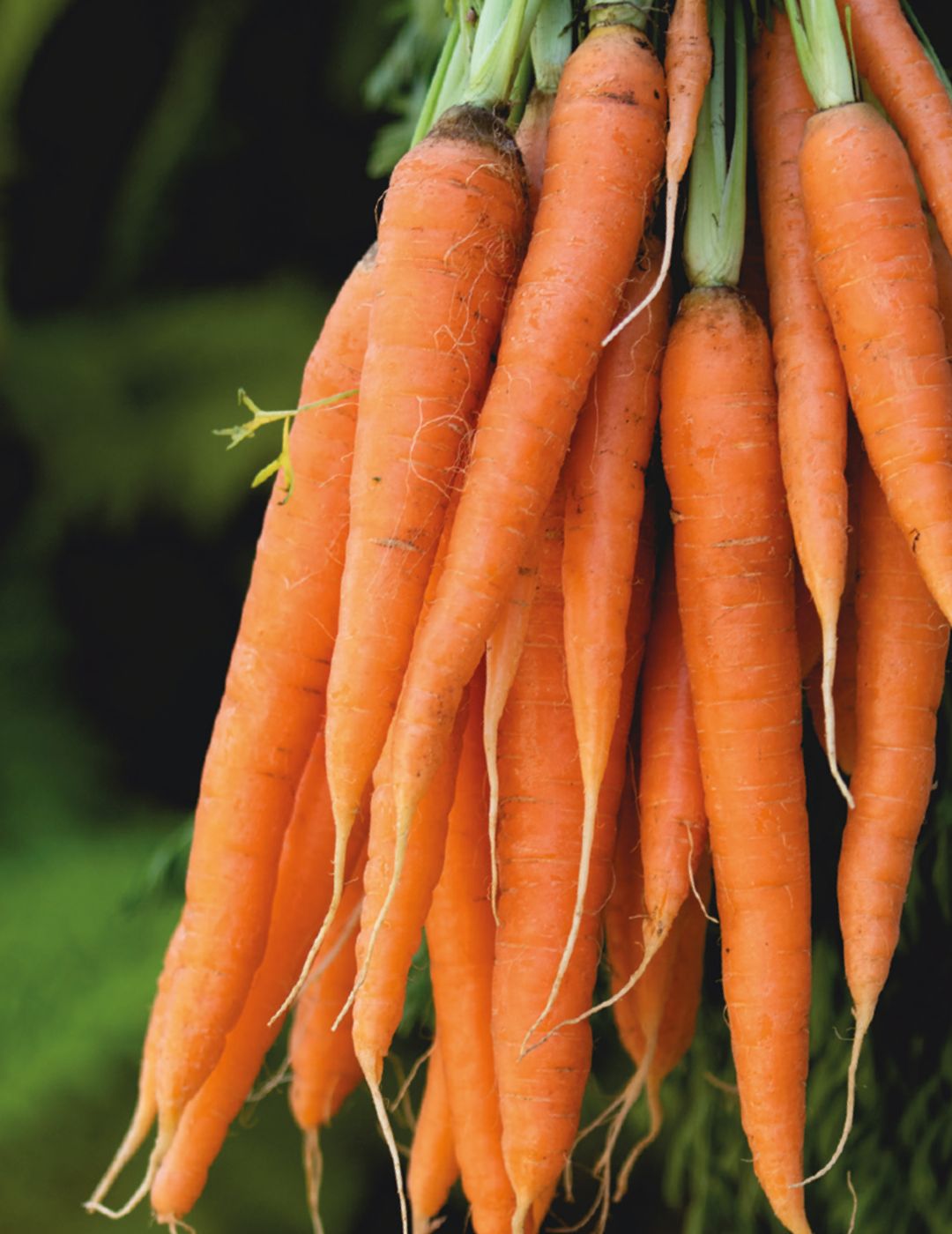
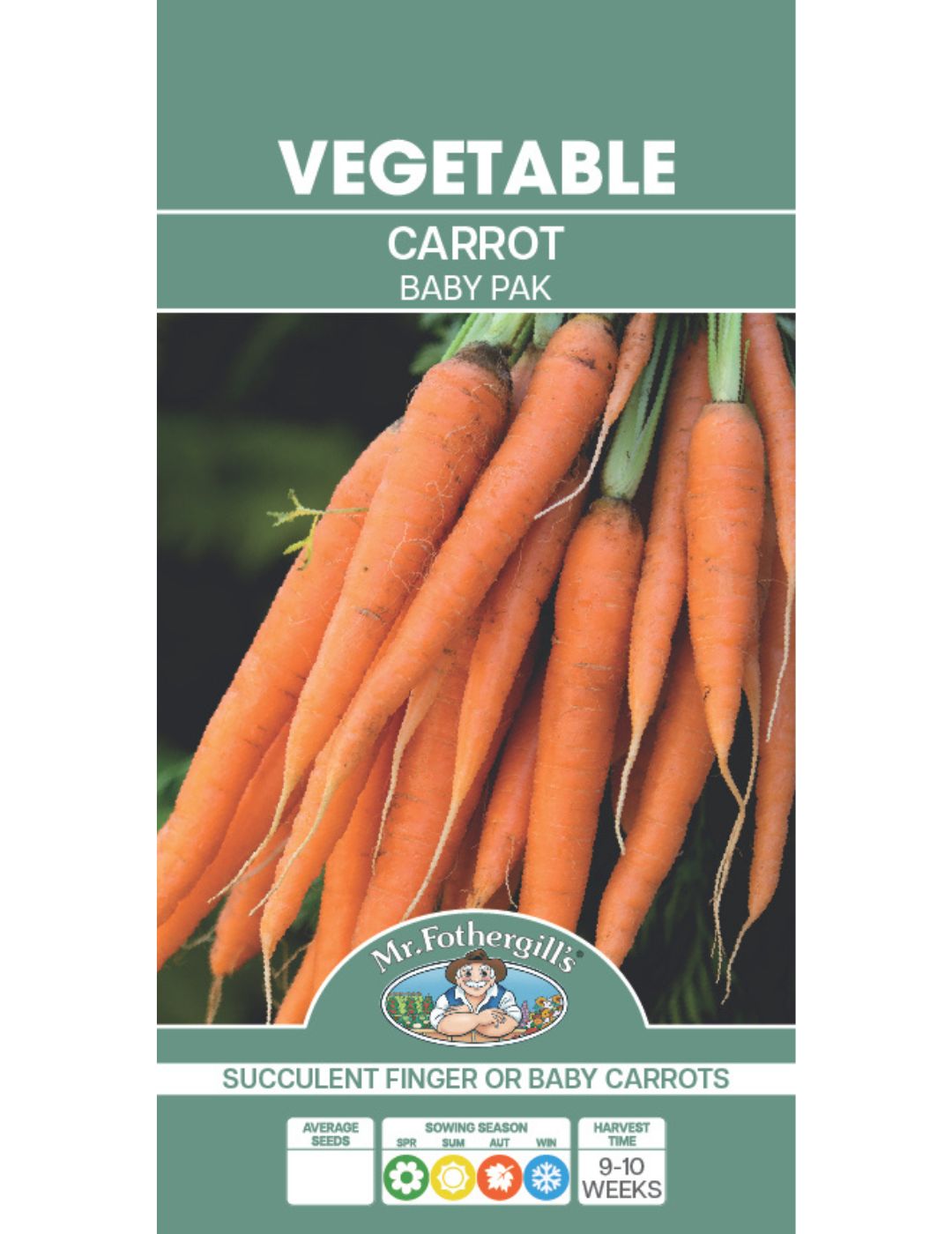
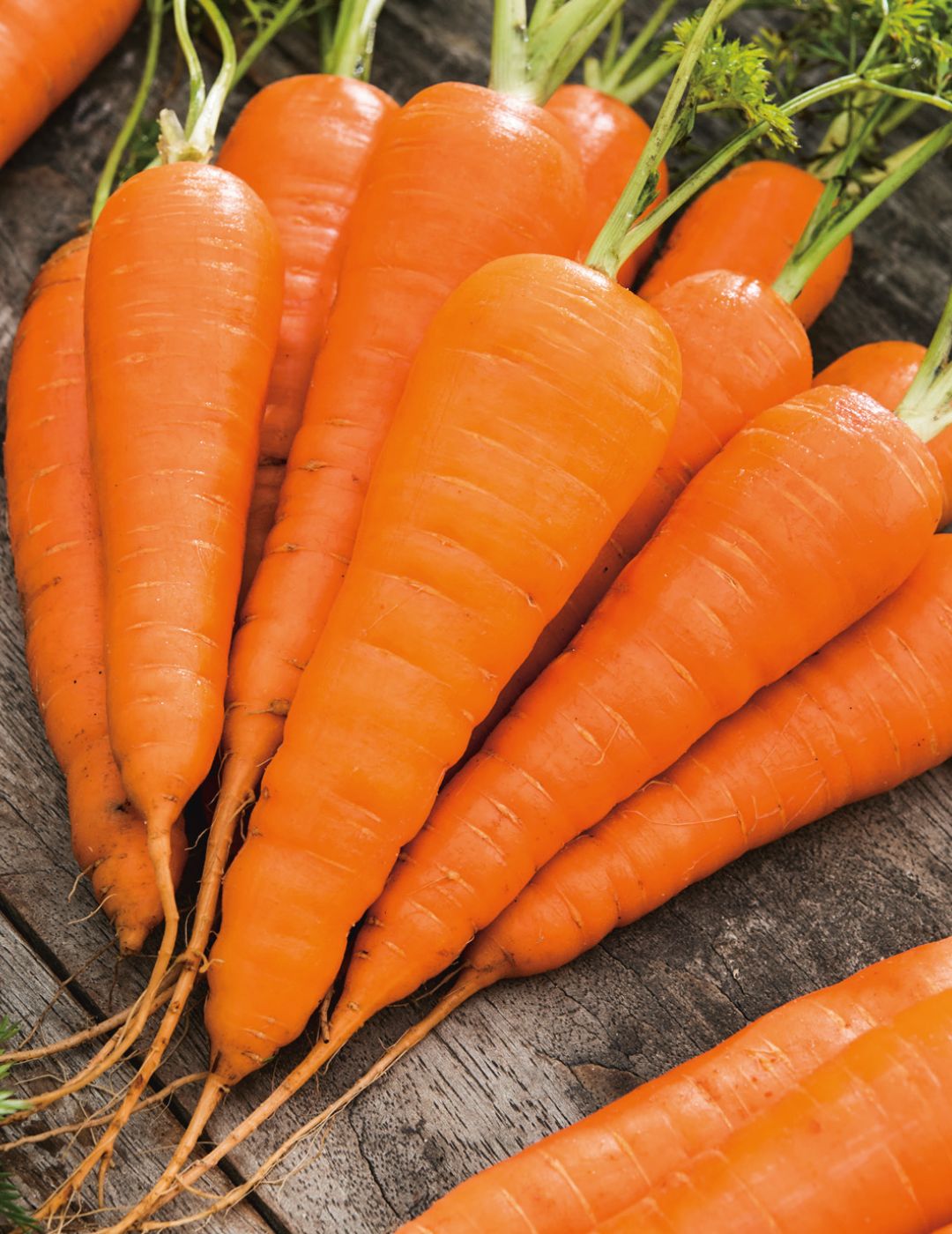
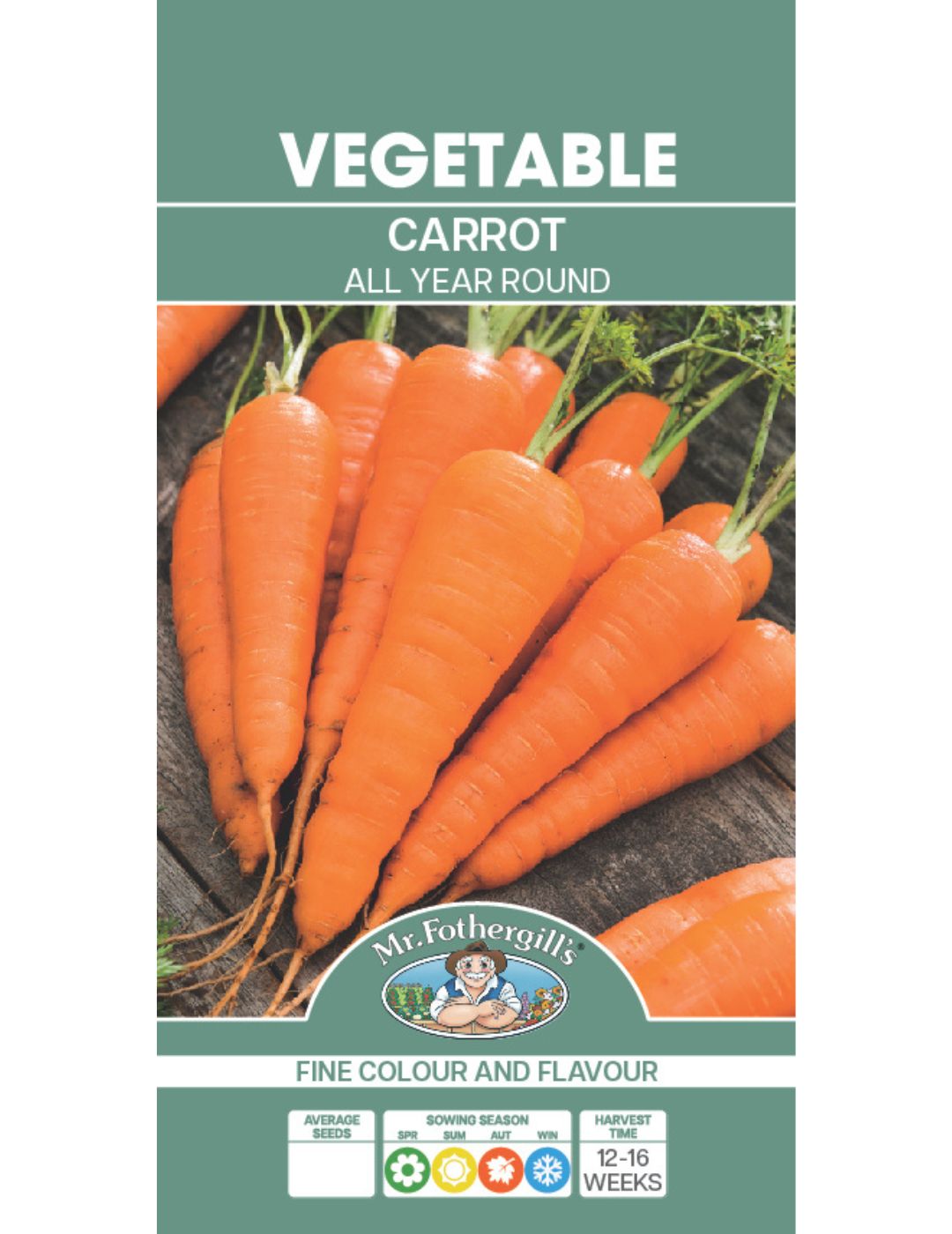
- Taproots: Seeds like carrots and parsnips develop their roots early, meaning they’re best sown directly into the ground so as to avoid transplant shock.
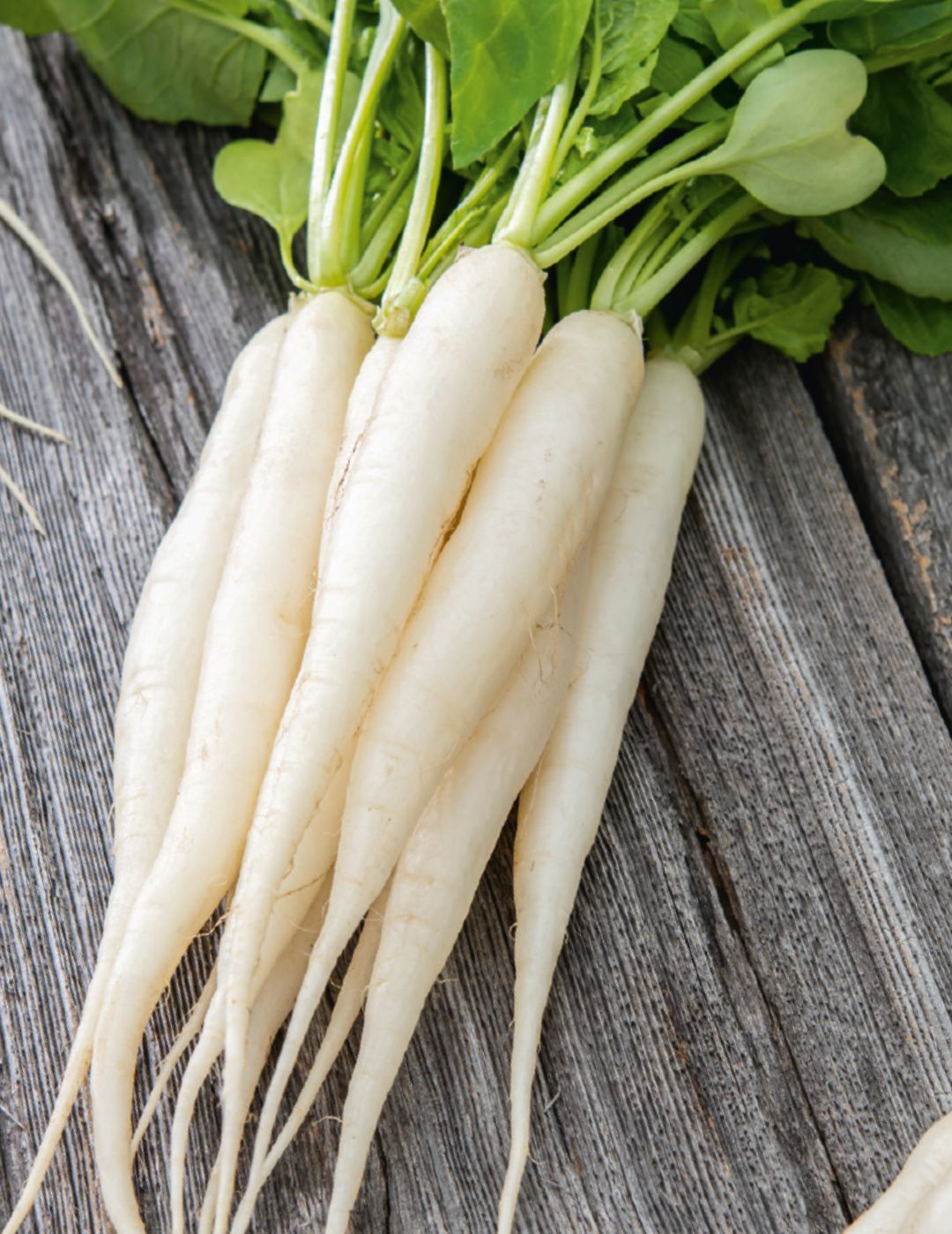
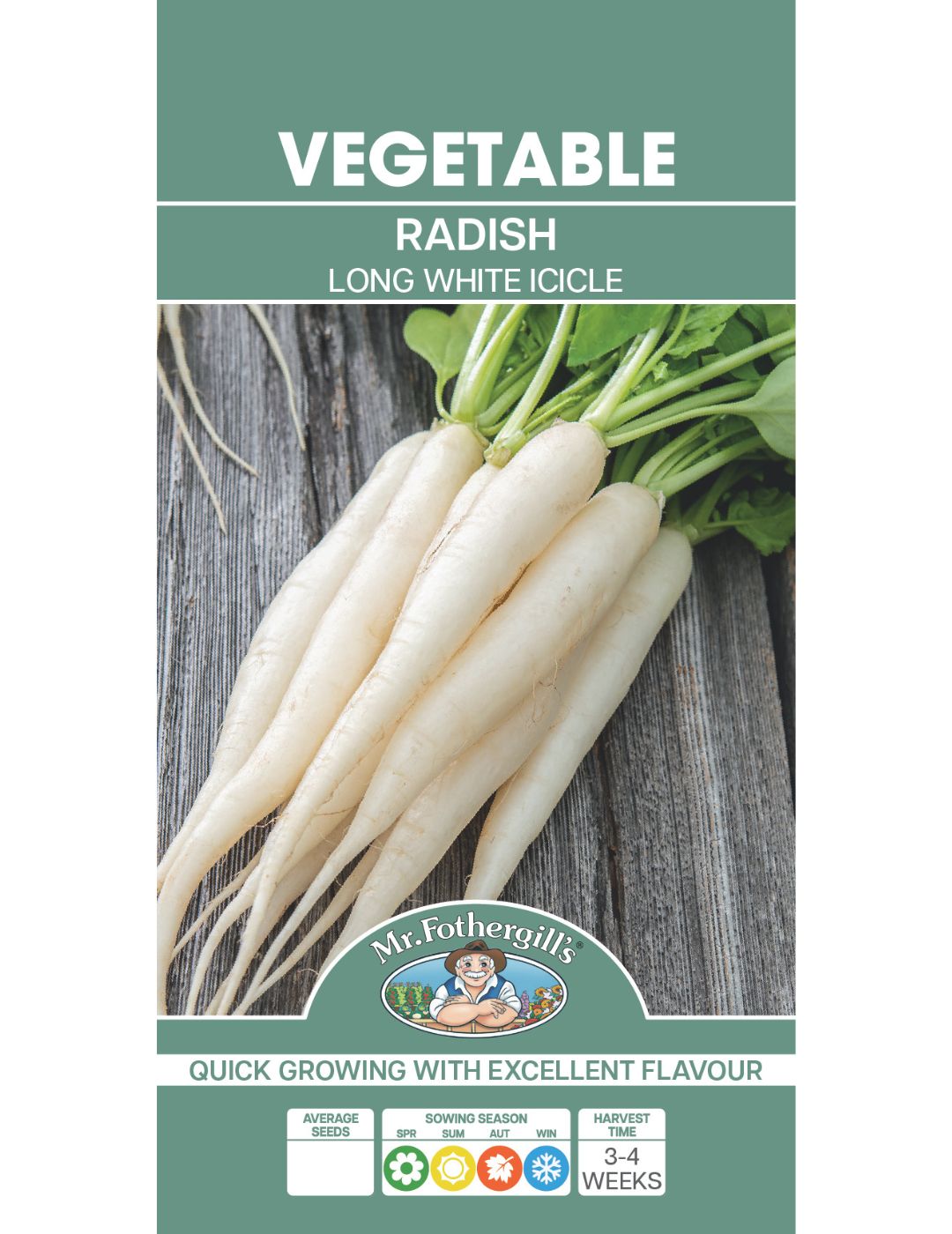
- Fast Growers: Seeds that grow fast are much easier to care for when sown directly into the ground, such as radishes and lettuce.
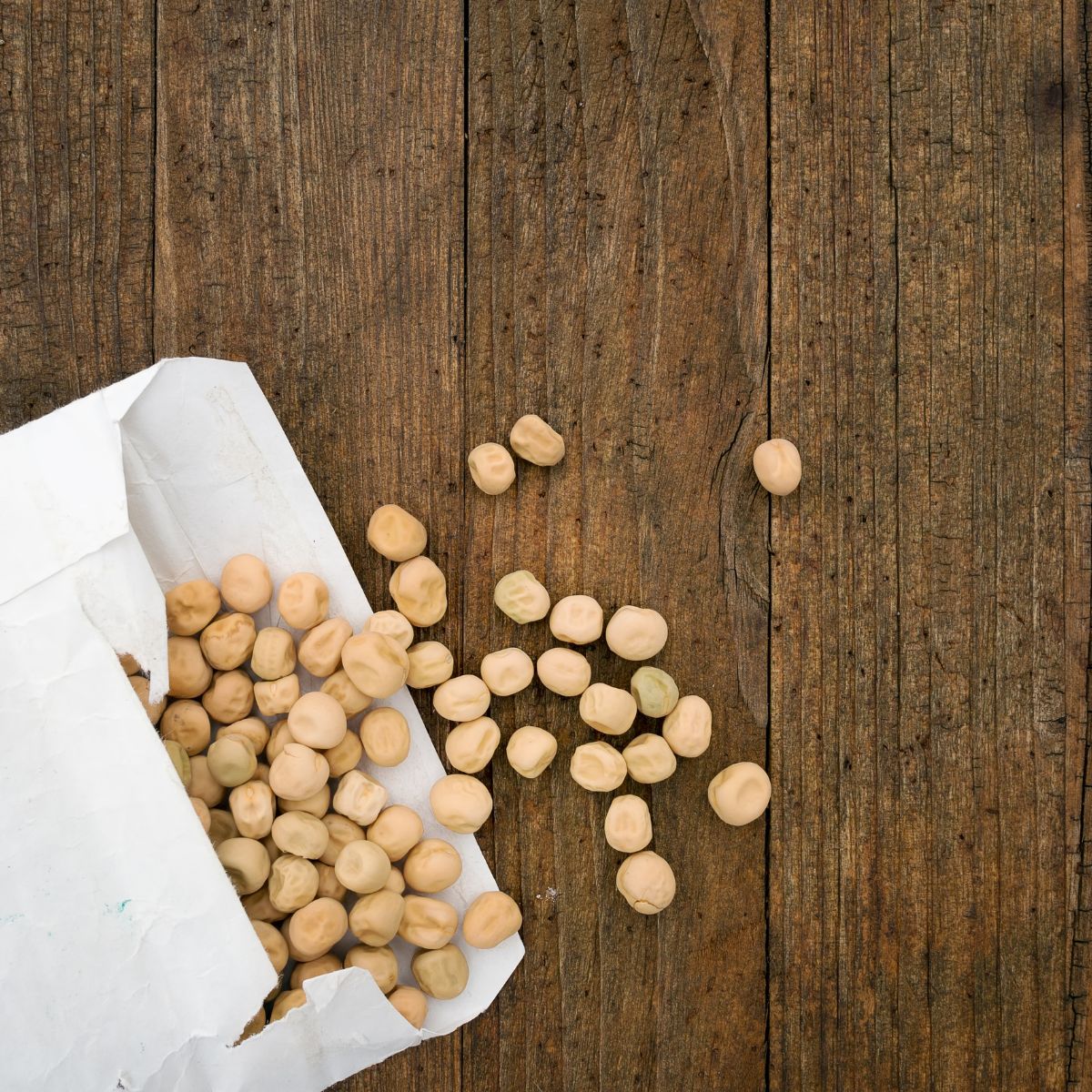
- Large Seeds: Unsurprisingly, big seeds need a lot of space. When you have beans, sweet corn, or sunflowers, direct sowing is the best method.
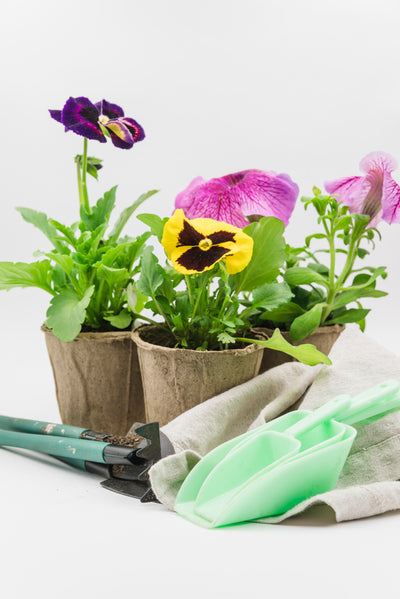
Seeds that are commonly not directly sown include ‘slow starters’. Seeds like tomatoes, capsicums, and eggplants develop over several weeks, taking their time to sprout. They are best grown in the comfort of a seed tray where their conditions can be monitored and their growth can be supported.
Direct Sowing: Our Essential Three-Stage Approach
Now that we’ve identified the best seeds for direct sowing, let’s begin the process. As promised, direct sowing is one of the simplest methods of gardening, and our three-stage approach can help you maximise the chances of your seeds succeeding.
Stage 1: Sowing Your Seeds
Stepping outside with your seeds, you may think it can’t be as simple as putting your seeds into the soil. While we can’t profess that it takes a master gardener to sow their seeds directly, here is our easy 4-step guide to doing it like a pro:
- Step 1: Prepare your soil. Clear away any debris, such as stones or sticks, and use a rake to produce a fine tilth that’s perfect for sowing.
- Step 2: Sow your seeds at the recommended depth and spacing for your chosen seeds. For example, sow carrot seeds 5mm deep and, once sprouted and thinned out, 5 to 10 cm apart.
- Step 3: Cover your seeds with soil, gently press down to firm them, and use a label to help you remember where you have sown certain seeds.
- Step 4: Finally, you need to water your seeds (more on this below).
Stage 2: Watering Your Seeds
When it comes to how often to water directly sown seeds, follow this principle: consistently moist, never waterlogged.
Your seeds require a lot of water to germinate and sprout, but if you water them too much, they will not be able to use the water fast enough, resulting in the soil around them becoming drenched, which prevents oxygen from getting to the roots.
To ensure you’re properly watering your seeds, utilise the fingertip test. Simply push your finger into the soil close to your plant. When the soil reaches your knuckle, take note of whether the soil feels dry or wet. If dry, water your seeds. If wet, or if the soil sticks to your finger, your seeds already have enough water.
Stage 3: Troubleshooting
Finally, it’s important to keep an eye out for problems that may interfere with your seeds’ development. Slugs and snails can be deterred with copper tape, and birds can be made less bothersome with netting, extra layers of soil, or a good old-fashioned scarecrow.
While pests and birds may seem like the biggest threat to your seeds, temperature and water levels pose a much greater risk. By utilising the fingertip test and sowing at the right time of year for your chosen seeds, you can give your seeds the best chance of success.
Find the Perfect Seeds for Direct Sowing With Mr Fothergill’s
Direct sowing is an effective and easy method of gardening that can bring you back in touch with the natural process of plant growth. If you want to give direct sowing a try, check out our full direct sowing seeds range, or feel free to contact us with your questions.